
Wouter Hagens / Public domain, via Wikimedia Commons
Japanese snowflower: complete guide
Deutzia gracilis
Want to see Japanese snowflower: complete guide in your garden?
1 minute, no credit card
Overview
Deutzia gracilis, commonly known as Japanese snowflower, is a graceful deciduous shrub that brings elegance to gardens with minimal fuss. Native to Japan, this compact shrub typically reaches 3–5 feet (90–150 cm) in height and spreads about 4 feet (120 cm) wide. It's perfect for smaller gardens, foundation planting, or even large containers. The plant has an open, arching habit with slender, flexible branches that create a soft, flowing form. Once established, it's tough, drought-tolerant, and resistant to most pests, making it a reliable choice for both novice and experienced gardeners.
Appearance & bloom cycle
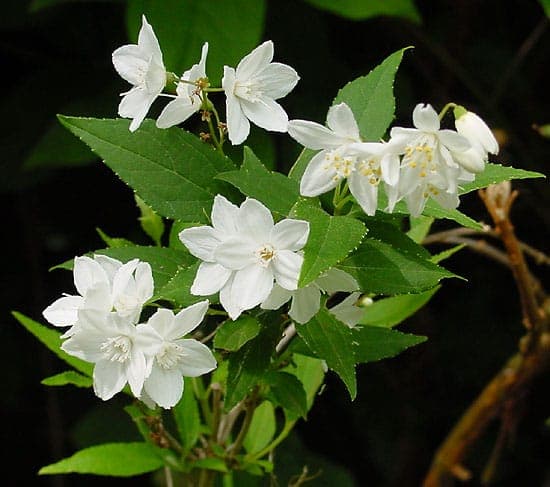
The Japanese snowflower earns its name in late May to mid-June when it bursts into clusters of tiny, star-shaped white flowers. Each bloom is about 1.5 cm across, and they appear in panicles at the tips of the previous year's growth. The flowering period lasts roughly three weeks, depending on weather. After blooming, the bright green foliage remains attractive all summer, turning a pale yellow in autumn before dropping. The arching stems add winter interest, especially when lightly dusted with frost. This shrub doesn't just look good-it attracts pollinators like bees and hoverflies during bloom.
Ideal location
For best results, plant Japanese snowflower in full sun to partial shade. Full sun encourages the densest flowering, while light shade (like dappled shade under a tree) is acceptable, especially in hotter climates. Avoid deep shade, as it leads to leggy growth and poor blooming. Allow at least 120 cm between plants to give them room to spread naturally. It works well in mixed borders, shrub beds, or as a specimen plant. On gardenworld.app, you can design a border layout that highlights the arching form of Deutzia gracilis.
Soil requirements
This shrub adapts to a range of soils as long as they are well-drained. It thrives in loamy, humus-rich soil with a pH between 5.0 and 7.0. Heavy clay soils should be amended with compost or grit to improve drainage. Sandy soils benefit from added organic matter to retain moisture and nutrients. Avoid waterlogged conditions-root rot is the main risk. A 2–3 inch layer of mulch in spring helps retain moisture and suppress weeds.
Watering
During the first growing season, water weekly, especially during dry spells. Deep watering encourages strong root development. Once established, Japanese snowflower is moderately drought-tolerant but performs better with occasional watering during prolonged dry periods. Always water at the base to keep foliage dry and reduce disease risk. On gardenworld.app, set up a watering schedule tailored to your local climate and soil type.
Free design
Want to see Japanese snowflower: complete guide in your garden? Make a free design now.
Pruning
Prune right after flowering, in late June or early July. Since it blooms on old wood, pruning in late summer, fall, or spring will remove next year's flower buds. Remove up to one-third of the oldest stems at ground level to rejuvenate the plant and maintain shape. You can also lightly trim outer branches for a neater look. Use clean, sharp secateurs and avoid heavy shearing, which ruins the natural form.
Maintenance calendar
- Jan: Check for winter damage; protect container plants if in zone 5.
- Feb: No action needed; monitor for rodent activity near stems.
- Mar: Apply balanced slow-release fertiliser as buds begin to swell.
- Apr: Inspect for aphids or powdery mildew; treat organically if needed.
- May: Water during dry spells; flowering begins late in the month.
- Jun: Peak bloom; prune immediately after flowers fade.
- Jul: Monitor for slugs on new shoots; water if rainfall is below 2.5 cm/week.
- Aug: Keep soil moist; avoid overhead watering to prevent fungal issues.
- Sep: Remove spent flower clusters; avoid pruning now.
- Oct: Let fallen leaves decompose as natural mulch.
- Nov: Stop fertilising; prepare container plants for winter.
- Dec: No maintenance needed unless in exposed, windy sites.
Winter hardiness
Japanese snowflower is hardy in USDA zones 5 to 8 (-20°C to -12°C). It survives most winters without protection, though extreme cold may cause tip dieback. In containers, root hardiness drops-insulate pots or move them to a sheltered spot. Mulching around the base helps in colder zones. Avoid pruning in winter, as it stimulates vulnerable new growth.
Companion plants
Pair Deutzia gracilis with upright plants like ornamental grasses or purple salvias to contrast its arching form. It looks stunning beside early-flowering spirea, catmint, or alliums. For evergreen structure, plant near boxwood or inkberry holly. Avoid overcrowding-this shrub needs air circulation. Plant in groups of three for a naturalistic look, or use as a soft backdrop for bolder perennials.
Closing
Japanese snowflower is a low-key hero in the garden: beautiful in bloom, easy to care for, and adaptable. Whether you're planting in a city courtyard or a country border, it adds grace without demanding attention. Find healthy specimens at garden centres like those stocking RHS-approved stock, or check online retailers. Plan your planting scheme with confidence using gardenworld.app's design tools.
Want to see Japanese snowflower: complete guide in your garden? Make a free design now.
Upload a photo, pick a style, and get a photorealistic design with plant list in under a minute.
No credit card required


Similar plants
Cliff fendlerbush: complete guide
Fendlera rupicola
Everything about Fendlera rupicola, the rare rocky-slope shrub with fragrant white spring flowers that thrives on lean, dry, calcareous soils.
Fivepetal cliffbush: complete guide
Jamesia americana
Everything about Jamesia americana, the fivepetal cliffbush: rocky sites, white blooms, autumn colour, winter hardiness and garden care.
Deutzia parviflora: complete guide
Deutzia parviflora
Discover Deutzia parviflora, an elegant flowering shrub with white blossoms. Growing guide with tips for sunny placement, fertile soil, and regular pruning.