
Vojtech Zavadil / CC BY-SA 3.0, via Wikimedia Commons
Cynoglossum creticum: complete guide
Cynoglossum creticum
Want to see Cynoglossum creticum: complete guide in your garden?
1 minute, no credit card
Overview
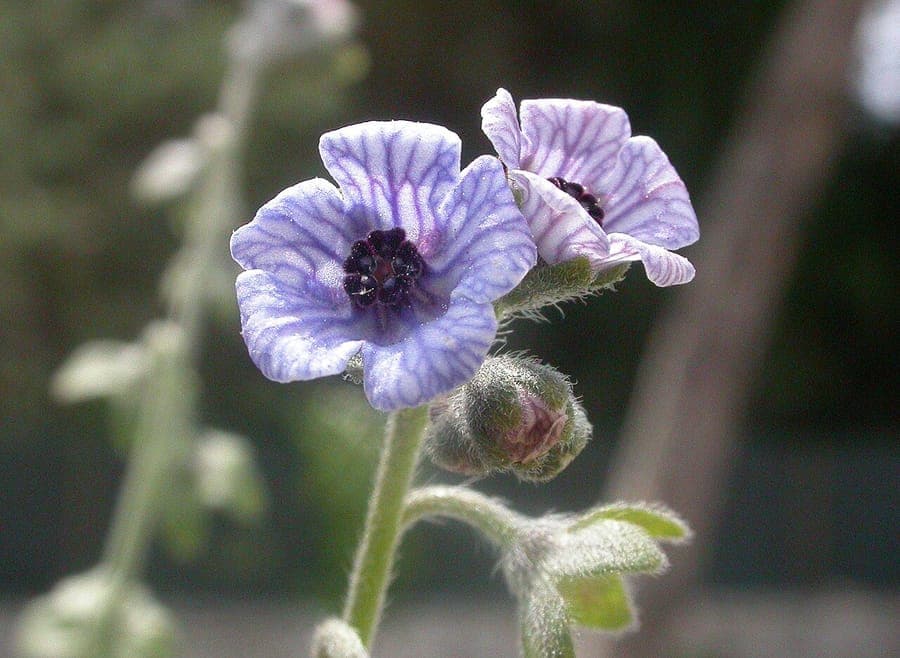
Blue hound's-tongue (Cynoglossum creticum) is a Mediterranean subshrub from the Mediterranean region displaying striking azure-blue flowers. This plant is renowned for exuberant blooming from May through October, demanding minimal maintenance. In full bloom reaches 30-50cm height. Rough-textured leaves feel grey-green. Birds adore flowers for nectar; butterflies constantly swarm them.
Appearance and Bloom
Cynoglossum creticum grows compact and sturdy. Leaves are greyish, roughly hairy and lance-shaped. From May appear elegant flower clusters in intense blue (sometimes pink variants). Each flower is funnel-shaped, approximately 1cm diameter. Flowers follow classic hound's-tongue structure with five indistinctly lobed sepals. Numerous birds eat the dark purple seedlets eagerly.
Ideal Location
Full sun mandatory for rich blooming. Minimum 6-8 hours direct sunlight daily. In shade: gangly growth, less bloom. Warm, sheltered position recommended. Less suitable for very windy northeast exposure. Good air circulation prevents congestion and disease.
Soil
Absolutely drought-tolerant in all soil types. Only moderately fertile soil needed. Heavy, moisture-retentive soil must be improved with shells, gravel. Acidic to neutral pH (6.0-7.5) ideal. Poor drainage improved by height-raising. Organic matter not essential; minimal maintenance required.
Watering
Extremely drought-tolerant once established. Young plants watered weekly first summer. Mature plants only water during extreme drought. Heavy rains prevent water-height problems. Winter: no extra water needed in Mediterranean climates. Drainage crucial: heavy soil raise water level.
Free design
Want to see Cynoglossum creticum: complete guide in your garden? Make a free design now.
Pruning
Light pruning in early spring helps compact growth. Remove spent flower buds encourages second autumn bloom. After blooming halve for dense shrub next season. Prune old wood carefully. Cut dead branches from base. Heavy pruning avoided; plant recovers slowly.
Maintenance Calendar
January-March: Light pruning, await growth. April-May: Young leaves appear, water during drought. June-August: Bloom period, remove spent flowers, minimal maintenance. September-October: Second blooming after light pruning, water only extreme drought. November-December: Plant rests, prevent heavy frost.
Winter Hardiness
Limited winter hardiness. Northern Netherlands: protection needed or pot cultivation. Minimum -5 to -8 degrees Celsius; damage at heavier frost. Heavy snow breaks young twigs. South European winters trouble-free. Evergreen in warm regions. Consider annual replanting in northwest gardens.
Plant Companions
Cynoglossum creticum fits perfectly Mediterranean gardens. Ideal bordering paths near warm walls. Combines beautifully with lavender, salviae. Grows well in large pots (20L). Semi-cascading forms elegant in hanging baskets. Seedling propagation February-March in warmth. Fully mature optimal second season bloom. For group plantings: 50cm spacing.
Closing Thoughts
This breathtaking blue flower demands virtually zero maintenance once established. Ideal for time-conscious gardeners. Available at major retailers. Read more at gardenworld.app/en. Find complete plant profile and design tips at gardenworld.app/en for inspiration.
Want to see Cynoglossum creticum: complete guide in your garden? Make a free design now.
Upload a photo, pick a style, and get a photorealistic design with plant list in under a minute.
No credit card required


Similar plants
Western waterleaf: complete guide
Hydrophyllum occidentale
Full growing guide for western waterleaf (Hydrophyllum occidentale): shade tolerance, soil needs, watering, winter hardiness and naturalistic garden use.
Limestone phacelia (Phacelia affinis): complete guide
Phacelia affinis
Full guide to Phacelia affinis, the limestone phacelia: sowing tips, purple-blue bee flowers, drought tolerance and uses in dry or wildlife gardens.
Pyrenean viper's bugloss: complete guide
Echium asperrimum
Echium asperrimum is a striking biennial from the western Mediterranean with rough bristly stems and vivid blue flowers. A magnet for bees and a bold border plant.