
Bidgee / CC BY-SA 3.0, via Wikimedia Commons
Bermuda grass: complete guide
Cynodon dactylon
Want to see Bermuda grass: complete guide in your garden?
1 minute, no credit card
Overview
Bermuda grass (Cynodon dactylon) is a tough, creeping perennial grass in the Poaceae family, widely used for lawns, sports fields, and ground cover in sunny areas. Native to Africa, the Mediterranean, and parts of Asia, it thrives in warm, dry conditions and is known for its aggressive spread via rhizomes and stolons. In temperate regions like the UK and northern Europe, it performs best in sheltered, south-facing spots. It's not the grass for shady corners - this one wants full sun and space to run.
On gardenworld.app, you can design a drought-tolerant garden layout that integrates Bermuda grass seamlessly with hardscaping and xeriscaping elements.
Appearance & bloom cycle
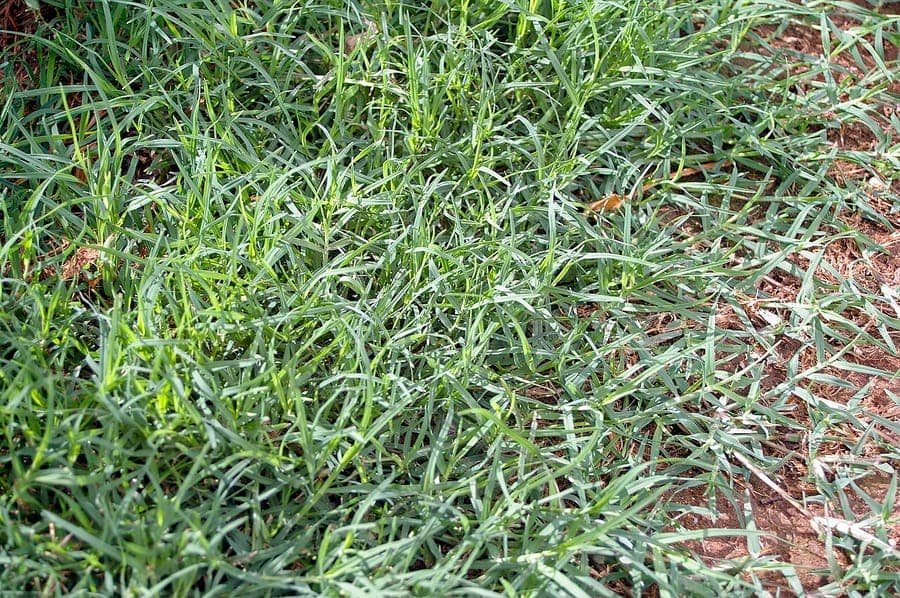
Bermuda grass forms a dense, low-growing turf with fine to medium-textured green blades, typically staying under 15 cm tall when uncut. From July to September, it sends up distinctive flower spikes - four finger-like racemes radiating from a central point, often with a purple tint. These bloom quickly and aren't showy, but they signal active growth and potential seed spread.
The grass spreads rapidly through above-ground stolons and underground rhizomes, creating a tight mat that resists weeds and foot traffic. Left unchecked, it can invade flower beds and pavers, so edging is essential.
Ideal location
This grass loves full sun - aim for a light requirement of 8 out of 10. It performs poorly in shade, especially with less than 4 hours of direct sunlight daily. Ideal spots include patios, driveways, sunny backyards, and areas with sandy soil. It handles high foot traffic well, making it suitable for kids' play areas or pet zones.
Avoid planting near borders or mixed beds unless you install strong root barriers. Its invasive nature means it can quickly overtake slower-growing perennials.
Soil requirements
Bermuda grass tolerates a wide pH range - from 5.0 to 8.0 - and grows in sandy, loamy, and clay soils as long as drainage is adequate. It survives in poor soils where other grasses fail, but responds well to a spring application of balanced fertilizer (e.g., 10-10-10 NPK). Avoid waterlogged or compacted clay, as this promotes root rot and weak growth.
Before seeding or laying sod, test your soil. On gardenworld.app, use the soil analysis tool to determine pH and texture, ensuring optimal preparation.
Free design
Want to see Bermuda grass: complete guide in your garden? Make a free design now.
Watering
Once established, Bermuda grass is highly drought-resistant, thanks to roots that can reach 1.5 meters deep. During the first 3–4 weeks after installation, water every 2–3 days for 20–30 minutes to encourage root development. After that, deep but infrequent watering (once every 7–10 days during dry spells) is sufficient. Overwatering leads to shallow roots and disease.
Use drip irrigation or early morning sprinklers to reduce evaporation and fungal risk.
Pruning
Mow weekly from May through September, keeping the height between 2.5 and 4 cm. Cutting too short stresses the plant and invites weeds. Use a sharp rotary or reel mower for clean cuts. In early spring, verticut lightly to remove thatch and dead material, but avoid deep dethatching - it can damage the rhizome network.
Maintenance calendar
- Jan: Dormant. No action.
- Feb: Still dormant. Wait.
- Mar: Rake off debris. Check for winter damage.
- Apr: First mow if growth begins. Apply starter fertilizer.
- May: Begin regular mowing. Water during dry spells.
- Jun: Mow weekly. Watch for flowering spikes.
- Jul: Peak growth. Purple blooms may appear. Deep water if needed.
- Aug: Continue mowing. Avoid mowing in extreme heat.
- Sep: Final fertilization (phosphorus-rich). Reduce mowing frequency.
- Oct: Last mow. Clear fallen leaves.
- Nov: Dormancy begins. No mowing.
- Dec: Fully dormant. No maintenance.
Winter hardiness
Bermuda grass is semi-evergreen and hardy in USDA zones 7–10. In zone 7 (parts of southern UK), it may brown in winter but greens up in spring. Below -10°C, it goes dormant and can suffer winter kill if wet. It survives mild winters well but doesn't thrive in prolonged frost or snow cover with poor drainage.
No special winter care is needed, but avoid walking on frozen turf to prevent crown damage.
Companion plants
Due to its aggressive spread, Bermuda grass doesn't play well with delicate plants. Pair it with tough, deep-rooted perennials like lavender, yucca, or ornamental grasses, using physical barriers to contain it. It works well in gravel gardens or around stone paths where growth can be controlled.
Avoid planting ground covers like thyme or sedum too close - they'll be overrun. Design clean separation zones using pavers or metal edging, which you can plan in advance on gardenworld.app.
Closing
Bermuda grass is a low-maintenance, resilient option for sunny, dry gardens. It's durable, drought-tolerant, and repairs itself quickly. But its invasiveness demands discipline: use edging, stick to a mowing schedule, and monitor spread. It's not shade-tolerant or suited to wet soils. For gardeners wanting a tough, evergreen(ish) lawn, it's a solid choice - available at garden centres as seed or sod, often near drought-resistant turf sections.
Want to see Bermuda grass: complete guide in your garden? Make a free design now.
Upload a photo, pick a style, and get a photorealistic design with plant list in under a minute.
No credit card required


Similar plants
Sporobolus pungens: complete guide
Sporobolus pungens
Sporobolus pungens is a stoloniferous Mediterranean coastal grass with outstanding salt and drought tolerance, perfect for seaside and dry gardens.
Mediterranean aegilops: complete guide
Aegilops biuncialis
Everything about Aegilops biuncialis, a Mediterranean annual grass with ornamental spikes and outstanding drought tolerance for dry gardens.
Silver bluestem: complete guide
Bothriochloa saccharoides
Full guide to Bothriochloa saccharoides (silver bluestem): site, soil, watering, winter hardiness, pruning, and garden companions.