
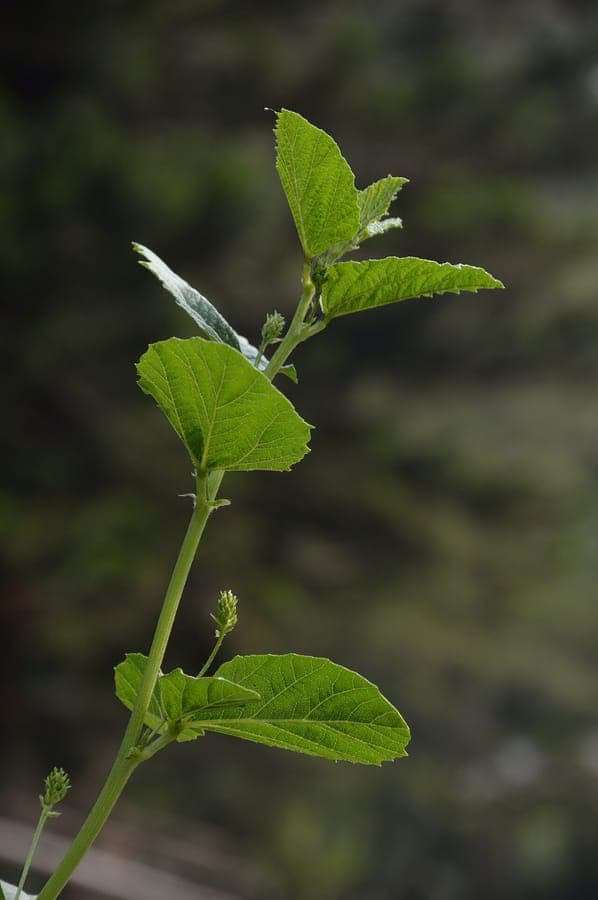
Biswarup Ganguly / CC BY 3.0, via Wikimedia Commons
Cullen corylifolium: complete guide
Cullen corylifolium
Want to see Cullen corylifolium: complete guide in your garden?
1 minute, no credit card
Overview
Cullen corylifolium, commonly known as Scurfy-pea or Malaysian scurfpea, is a fascinating tropical plant from the Fabaceae family native to Northeast Tropical Africa, South Asia, and the Arabian Peninsula. This plant has a rich history in traditional medicine, particularly in India, where it has been used for centuries in Ayurvedic treatments. The plant also grows wild in various parts of South and East Asia, from the Himalayan region to Vietnam and Java.
The Scurfy-pea is a perennial herbaceous plant characterized by small, golden flowers and distinctive foliage. In your front garden, this plant can be a unique and intriguing addition, especially for gardeners looking to venture beyond conventional garden choices.
Appearance and bloom
Cullen corylifolium grows as an upright, herbaceous plant that typically reaches 30 to 60 centimeters in height. The plant displays irregularly pinnate leaves that resemble small feathers, with dark green leaf tissue and subtle texture. These leaves often exhibit a slightly rough surface, hence the name "scurfy" (flaky).
The flowers of this plant are small yet beautiful, with a typical butterfly-like shape characteristic of the pea family. The blooms are yellowish to yellow-brown in color and grow in dense, upright clusters. Flowering occurs throughout the growing season and attracts pollinators to your garden. After blooming, small pod fruits develop containing seeds.
In warm temperatures, the plant can grow up to two meters tall. In cooler conditions, growth remains more compact. The plant feels smooth to the touch, but the leaves have a distinctive scent when crushed.
Ideal location
Cullen corylifolium thrives best in a warm, sunny location in the garden. The plant requires at least six hours of direct sunlight daily for optimal growth and flowering. Even in lightly shaded conditions, the plant can survive, but blooming will be less abundant.
If you live in Europe, the best time to grow this plant outdoors is during summer. Select a sheltered spot with good drainage and protection from strong winds. The plant prefers warm conditions, so in the Netherlands, Belgium, and Germany, it is best grown outdoors during the warmest months of the year.
Do not place the plant near cold sources such as air conditioning or refrigerators. Keep it outdoors when nighttime temperatures remain above 15 degrees Celsius.
Soil
The Scurfy-pea prefers well-draining soil with a neutral to slightly acidic pH level (6.0 to 7.0). Create a potting mix with approximately 40% garden soil, 40% peat moss or coconut fiber, and 20% perlite or sand for optimal drainage.
The plant grows best in non-compacted soil that drains water well while simultaneously retaining adequate moisture content. Add compost or decomposed organic matter to the soil to improve nutrient content.
For front garden cultivation, we recommend preparing the soil with organic compost and incorporating a well-draining mix. Light fertilization every two to three weeks during the growing season is sufficient.
Free design
Want to see Cullen corylifolium: complete guide in your garden? Make a free design now.
Watering
Cullen corylifolium requires regular moisture, especially during the growing season (spring and summer). Water the plant when the top 2-3 centimeters of soil feel dry. Avoid overwatering, as this can lead to root rot.
In autumn and winter, reduce watering, especially when the plant becomes dormant. Ensure the soil never dries completely but also does not remain soggy. Refrain from watering if moisture is still present in the soil.
Always water at the base of the plant and not on the leaves to prevent fungal diseases. Use lukewarm water, as cold water can shock the plant.
Pruning
Cullen corylifolium responds well to pruning, especially when the plant becomes tall and leggy. Pinch the tops off when the plant reaches approximately 20 centimeters in height to encourage more compact growth. This stimulates branching and increased flower production.
Remove dead or damaged leaves and stems regularly. Also remove faded flowers (deadheading) to encourage more blooms.
In autumn, you can cut back the plant to prepare for winter dormancy. However, always leave some growth for the next growing season.
Maintenance calendar
Spring: Start sowing in spring or purchase young plants. Repot to larger containers if needed. Begin regular watering.
Summer: Water regularly, fertilize every two weeks, and pinch back overgrown tips. Monitor for pest insects.
Autumn: Gradually reduce watering. Stop fertilizing as temperatures decline.
Winter: Place the plant in a cool, bright location. Minimal watering. Prepare for dormancy.
Winter hardiness
Cullen corylifolium is frost-sensitive and cannot overwinter outdoors in temperate climates. In the Netherlands, Germany, and France, you must bring the plant indoors before the first frost.
In regions where temperatures can drop below 5 degrees Celsius, winter protection is necessary. Place the plant in a location with at least 10 degrees Celsius (preferably 15-20 degrees).
Alternatively, you can treat the plant as an annual and restart each year.
Companion plants
Excellent companions for Cullen corylifolium include other tropical or subtropical plants. Combine with:
- Other Fabaceae species such as Marigold
- Exotic herbs like Basil or Oregano
- Small palms or cycads
- Ornamental grasses for contrast
These combinations create a warm, exotic appearance in your front garden.
Closing
Cullen corylifolium is an excellent choice for gardeners seeking something special to cultivate. Although care requires attention and winter protection is necessary in temperate climates, the plant rewards you with stunning flowers and intriguing foliage throughout the growing season.
Start with this plant from gardenworld.app and discover why tradition and gardening go hand in hand. Find more plants and garden advice at gardenworld.app. Begin your exotic gardening journey today!
Want to see Cullen corylifolium: complete guide in your garden? Make a free design now.
Upload a photo, pick a style, and get a photorealistic design with plant list in under a minute.
No credit card required


Similar plants
Tall Silky Lupine: complete guide
Lupinus elatus
Tall silky lupine is a fast-growing Californian perennial with silvery foliage and blue-purple flower spikes, ideal for a prairie-style garden.
Garfield Lupine: complete guide
Lupinus garfieldensis
The Garfield lupine is a rare, fast-growing American perennial for alkaline, dry grassland gardens, with striking blue flower spikes.
Lupinus elegans: complete guide
Lupinus elegans
Lupinus elegans, the elegant lupine, is a spectacular blooming plant from Mexico with blue flower spikes. Care, cultivation and garden use.