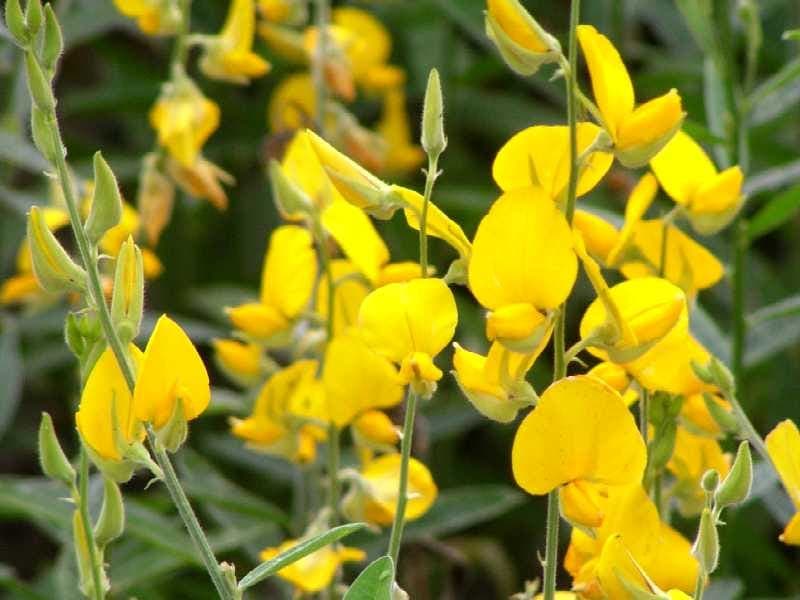
A16898 / CC BY-SA 3.0, via Wikimedia Commons
Crotalaria juncea: complete guide
Crotalaria juncea
Want to see Crotalaria juncea: complete guide in your garden?
Full design in HD: €7.99
Look after your Crotalaria juncea with the GardenWorld app
Identify plants with your camera and get a care calendar with reminders for this plant.


Overview
Crotalaria juncea, commonly called Sunn Hemp or Indian Hemp, is a fast-growing legume native to Asia. This plant belongs to the Fabaceae family and is renowned for its bright yellow flowers and rapid growth rate. Crotalaria juncea is widely used as a green manure crop because it fixes atmospheric nitrogen and improves soil fertility. The plant reaches 1 to 2 meters in height quickly.
Appearance and Bloom
Crotalaria juncea grows rapidly into an upright, slender plant with heart-shaped leaves. The flowers are bright yellow and appear in dense racemes along the stems. After flowering, characteristic seed pods form. These green pods swell and contain small, hard seeds. Despite its strength, the entire plant has an airy, almost delicate appearance.
Ideal Location
Crotalaria juncea performs best in full sun. Ensure at least 6-8 hours of direct sunlight daily. The plant tolerates various soil types from sand to heavy clay. An open, well-ventilated microclimate favors healthy growth and flowering.
Soil
While Crotalaria juncea demonstrates adaptability, it grows best in well-drained, neutral to slightly acidic soil. The plant is not nutrient-demanding, thanks to its nitrogen-fixing ability. Before planting, loosen the soil and remove roots and coarse gravel.
Watering
Crotalaria juncea is relatively drought-tolerant once established. Provide regular water for the first weeks after planting. Once established, the plant handles dry conditions well. Heavy rainfall is ideal, but the plant manages with limited water. Excessive moisture can cause root rot.
Free preview
Want to see Crotalaria juncea: complete guide in your garden? Make a free preview of your design.
Pruning
This crop requires minimal pruning. You can remove spent flowers to encourage continued blooming, though this is optional. If you want seed production, leave flowers and pods throughout the season.
Maintenance Calendar
Crotalaria juncea is a seasonal crop typically grown in warmer months (spring through autumn). Plant in spring, water regularly, and monitor growth. The crop reaches full maturity within months. In autumn, plow under as green manure or harvest seeds for next season.
Winter Hardiness
Crotalaria juncea is not winter-hardy in temperate climates and cannot tolerate frost. Expect frost? Plow the plant under in autumn and use it as organic matter in your compost. In warm climates, the plant may self-seed next season.
Companion Plants
Crotalaria juncea works excellently as green manure between other crops. It fixes nitrogen, improving conditions for subsequent plantings. Sow in background areas or fields where soil improvement is needed. The yellow flowers attract beneficial insects.
Closing
Crotalaria juncea offers a unique combination of beauty and functionality. The bright yellow flowers delight the eye while the crop provides practical soil improvement benefits. For ecologically conscious gardeners, this is a valuable addition. Seeds are available from specialized seed suppliers specializing in green manure crops. With minimal care and maintenance, you can enjoy both aesthetic and practical benefits from this fast-growing plant.
Frequently asked questions about Crotalaria juncea
Is Crotalaria juncea winter hardy?
Crotalaria juncea is not winter-hardy in temperate climates and cannot tolerate frost. Expect frost?
When and how do you prune Crotalaria juncea?
This crop requires minimal pruning. You can remove spent flowers to encourage continued blooming, though this is optional.
How much water does Crotalaria juncea need?
Crotalaria juncea is relatively drought-tolerant once established. Provide regular water for the first weeks after planting.
Where does Crotalaria juncea grow best?
Crotalaria juncea performs best in full sun. Ensure at least 6-8 hours of direct sunlight daily.
What soil does Crotalaria juncea need?
While Crotalaria juncea demonstrates adaptability, it grows best in well-drained, neutral to slightly acidic soil. The plant is not nutrient-demanding, thanks to its nitrogen-fixing ability.

See it in your garden
See Crotalaria juncea in your garden
One photo of your garden and a few questions. You see the result in about a minute.
Try it with a photoIdentify this plant in your own garden. Identify a plant
Similar plants
Pineapple broom (Argyrocytisus battandieri): complete guide
Argyrocytisus battandieri
Everything about pineapple broom (Argyrocytisus battandieri), the Moroccan wall shrub with silver leaves and pineapple-scented flowers: site, pruning and hardiness.
Blue false indigo: complete guide
Baptisia australis
Everything about blue false indigo (Baptisia australis): position, soil, watering, cutting back, hardiness and toxicity. A long-lived prairie perennial with indigo flowers.
Warminster broom (Cytisus × praecox): complete guide
Cytisus × praecox
Everything about Warminster broom (Cytisus × praecox): position, poor soil, pruning after flowering, hardiness and what you need to know about its toxicity.
