
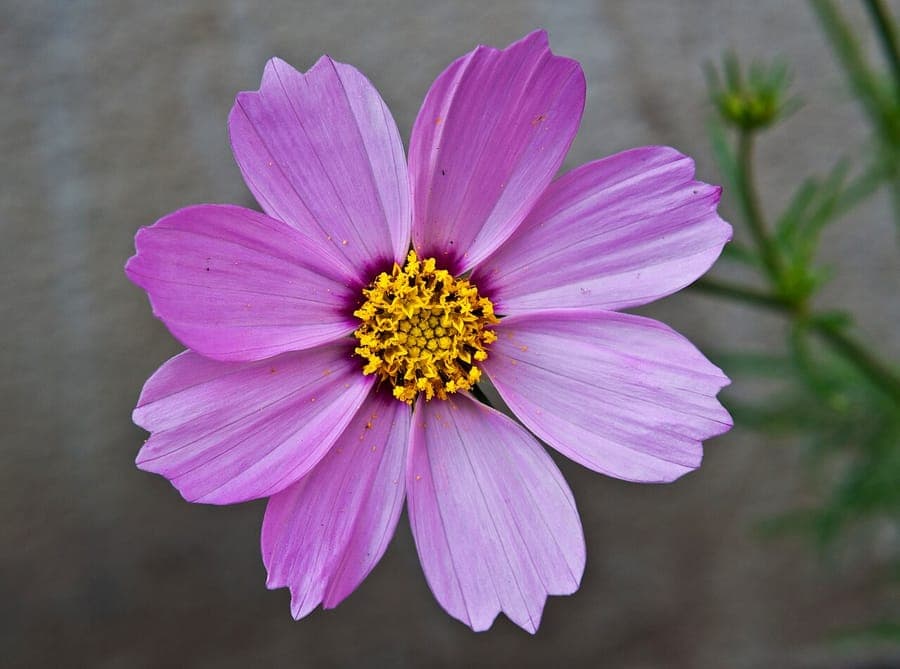
Joydeep / CC BY-SA 3.0, via Wikimedia Commons
Garden cosmos: complete guide
Cosmos bipinnatus
Want to see Garden cosmos: complete guide in your garden?
1 minute, no credit card
Overview
Cosmos bipinnatus, commonly known as garden cosmos, is a graceful annual that thrives on neglect. Native to central and northern Mexico, this herbaceous forb has found a home in gardens across temperate zones, including USDA hardiness zones 2–11, where it's grown as a half-hardy annual. It reaches heights between 60–120 cm, depending on cultivar and growing conditions, with feathery, bipinnate foliage that gives the plant an airy, almost weightless appearance.
What makes cosmos stand out isn't just its beauty - it's reliability. From late spring through the first autumn frosts, it delivers continuous color with minimal effort. It's a top choice for beginner gardeners and seasoned growers alike who want long bloom times and high reward for low input.
On gardenworld.app, you can design a mixed border that highlights cosmos alongside complementary plants like zinnias and verbena for a vibrant summer display.
Appearance & bloom cycle
The flowers resemble daisies - a central dark disc surrounded by ray florets in shades of pink, magenta, white, or soft yellow. Modern cultivars offer double blooms, but single-flowered types are better for pollinators. Bloom diameter ranges from 5–10 cm, and flowering begins in June if sown early, or July when direct-sown.
The bloom cycle extends from June to November in the UK and similar climates, provided you deadhead regularly. Without removal of spent flowers, the plant shifts energy to seed production, slowing new blooms. Pinch just above a leaf node to encourage branching and more flowering stems.
Foliage is fine-textured and fern-like, contributing to the plant's delicate look. Stems are hollow and can flop in heavy rain or wind - plant in sheltered spots or use light supports like garden stakes or netting.
Ideal location
Cosmos need full sun - aim for a 7/10 on the light scale, meaning at least 6 hours of direct sunlight daily. In partial shade, they stretch, become leggy, and produce fewer flowers. Choose a site with good air circulation to reduce fungal risks and avoid crowding with taller plants.
They work well in cottage gardens, cutting gardens, or naturalized meadow plantings. Plant in groups of 5 or more for visual impact. Avoid rich, heavily amended beds - cosmos actually flower better in lean soil.
Soil requirements
Cosmos aren't fussy about soil type. They grow in sandy, loamy, or clay soils as long as drainage is adequate. Ideal pH is neutral to slightly alkaline: 7.0–7.5. Avoid over-fertilizing; too much nitrogen leads to lush foliage but sparse blooms.
If your soil is heavy clay, consider raised beds or mounds to improve drainage. For container growing, use a standard potting mix with added perlite. Don't enrich with compost - cosmos prefer poorer conditions.
Free design
Want to see Garden cosmos: complete guide in your garden? Make a free design now.
Watering
Water deeply but infrequently. Young plants need consistent moisture for the first 3–4 weeks after transplanting. Once established, cosmos are drought-tolerant and prefer to dry out slightly between waterings. Overwatering increases the risk of root rot and fungal diseases.
In average summer conditions, one deep soak per week is sufficient. Water at soil level to keep foliage dry. Use rainwater when possible, especially in areas with hard tap water, as cosmos can be sensitive to high lime content.
Pruning
Deadheading is key to prolonged flowering. Remove spent blooms regularly to prevent seed set and encourage new buds. Use clean snips and cut just above a leaf node or pair of leaves.
For bushier growth, pinch back young plants when they reach 20–25 cm. Remove the top 5 cm of the main stem to stimulate lateral branching. Do this in early summer - avoid pinching late plantings, as they won't have time to mature.
Maintenance calendar
- March–April: Start seeds indoors at 18–20°C. Use seed compost in trays.
- May: Harden off and transplant outdoors after last frost (typically late May in the UK).
- June: Begin deadheading. Watch for slugs on young plants.
- July–August: Maintain deadheading. Stake tall varieties if needed.
- September–October: Reduce deadheading if you want self-seeding. Leave some seed heads for birds.
- November: Clear dead plants after frost kills foliage.
Winter hardiness
Cosmos bipinnatus is not winter-hardy. It dies with the first hard frost, usually in November. In mild microclimates or sheltered urban gardens, it may self-seed and return the next year. If you want volunteer plants, leave a few mature seed heads in autumn.
Companion plants
Cosmos pairs beautifully with plants that share its sun and soil needs. Try it with zinnias, marigolds, salvia, verbena, or ornamental grasses. Its airy structure contrasts well with bold leaves like canna or castor bean. In a cutting garden, it combines well with dahlias and snapdragons.
Avoid aggressive spreaders like mint or groundcovers that might smother young seedlings.
Closing
Cosmos bipinnatus is one of the most reliable annuals for long-season color with almost no maintenance. It's perfect for borders, containers, or wildflower mixes. Buy seeds or young plants from garden centres like Wyevale, Thompson & Morgan, or online suppliers. If you're planning a summer border, use gardenworld.app to preview how cosmos will look alongside your other plants through the season. Less is more with cosmos - don't overfeed, don't overwater, and enjoy the show.
Want to see Garden cosmos: complete guide in your garden? Make a free design now.
Upload a photo, pick a style, and get a photorealistic design with plant list in under a minute.
10,000+ gardens designed already
No credit card required


Similar plants
Calendula stellata: complete guide
Calendula stellata
Complete guide to Calendula stellata, the star-flowered marigold from Sicily: location, soil, watering and companion planting tips.
Korean chrysanthemum: complete guide
Chrysanthemum x rubellum
Chrysanthemum x rubellum is a hardy autumn perennial with single pink to copper flowers from August to November. Care and combinations.
Helianthus divaricatus: complete guide
Helianthus divaricatus
Helianthus divaricatus is a North American woodland sunflower with yellow summer blooms, ideal for naturalistic borders and shady edges.