
Wikimedia Commons / Public domain, via Wikimedia Commons
American hazelnut: complete guide
Corylus americana
Want to see American hazelnut: complete guide in your garden?
1 minute, no credit card
Corylus americana, known as American hazelnut or hazel, is a North American native shrub in the Betulaceae family. Growing from Canada to North Carolina, this species is renowned for its nutritious nuts.
Overview
American hazelnut is a multi-stemmed shrub reaching up to 3 meters tall. With its natural form and seasonal changes, this plant provides year-round interest. The shrub grows vigorously and productively, attracting numerous birds.
Appearance & Bloom
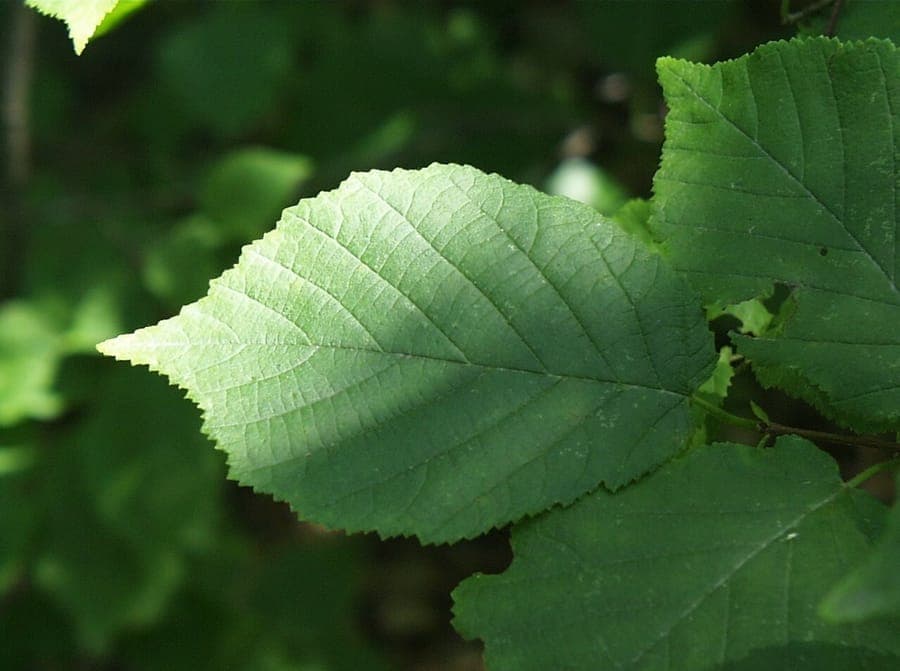
The plant features oval, doubly-serrated leaves with distinctive veining. In early spring, long drooping catkins appear, releasing pollen. Female flowers are much smaller, appearing with red styles. By autumn, nuts develop within hairy husks - the true treasure of this plant.
Ideal Location
Place American hazelnut in full sun to partial shade. In larger gardens, grouping 2-3 plants works best. The plant tolerates full shade but produces fewer nuts. Protect from strong winds.
Soil
The plant grows well in nearly all soils, from acidic to neutral. Drought is tolerated, but the plant appreciates well-drained, fertile soil. Add compost for improved growth. Avoid strongly alkaline soils.
Free design
Want to see American hazelnut: complete guide in your garden? Make a free design now.
Watering
Water regularly in the first year after planting. Once established, the plant is extremely drought tolerant. In dry summers, water for improved nut production. Young plants prefer moist soil.
Pruning
Minimal pruning is needed. Remove dead or damaged wood in late winter. Shape the shrub by gently shortening young shoots. Regular pruning keeps the shrub compact.
Maintenance Calendar
May through September: nut production and bird attraction. June through August: regular disease monitoring. October through November: harvest month. December through April: winter dormancy with light pruning if needed.
Winter Hardiness
Extremely cold hardy to USDA zone 4 (-30 degrees Celsius). This is a perfect plant for North American climates. No winter protection needed in temperate regions.
Companion Plants
Combine American hazelnut with other native North American plants like Sambucus and Viburnum. Create a wildlife shrub border with varied species.
Closing Thoughts
American hazelnut is a valuable plant for bird gardens and food production. With minimal care, this shrub produces nutritious nuts for years. Begin with young plants from native plant suppliers.
Your local garden centres stock American hazelnut. Check their websites. Gardenworld.app helps you design bird-friendly gardens.
Want to see American hazelnut: complete guide in your garden? Make a free design now.
Upload a photo, pick a style, and get a photorealistic design with plant list in under a minute.
No credit card required


Similar plants
Heart-leaf birch: complete guide
Betula cordifolia
Heart-leaf birch is an attractive North American birch tree for large gardens. Discover growth, white papery bark and winter hardiness.
Tropical hornbeam: complete guide
Carpinus tropicalis
Everything about Carpinus tropicalis, the tropical hornbeam from Central America. Growing tips, location, care, and garden use explained.
Japanese Alder (Alnus firma): complete guide
Alnus firma
Learn everything about Japanese Alder in our complete guide. Discover care, growth, and applications for larger gardens.