
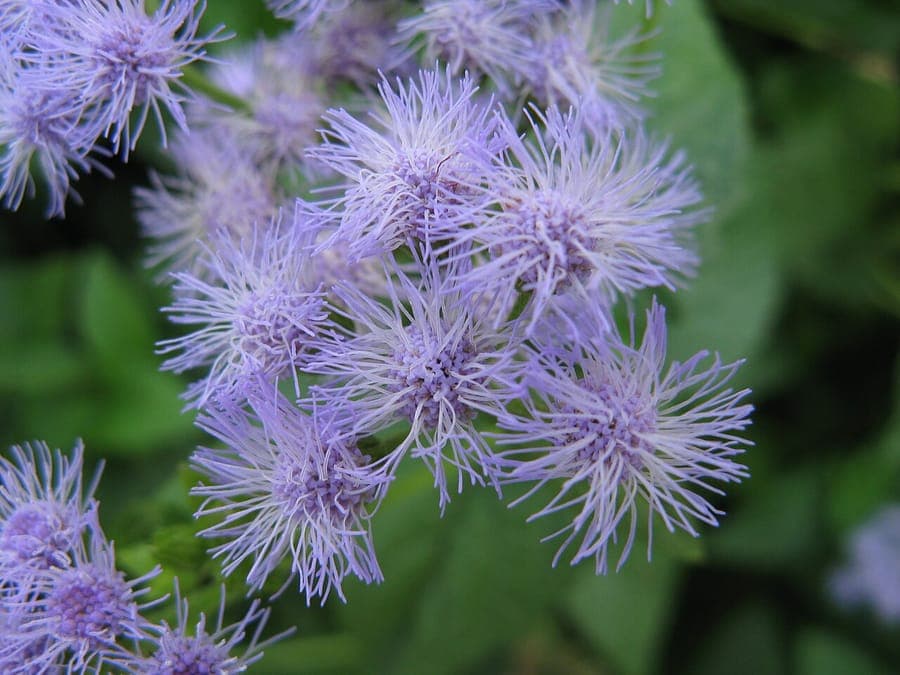
KENPEI / CC BY 3.0, via Wikimedia Commons
Conoclinium coelestinum: complete guide for blue mistflower
Conoclinium coelestinum
Want to see Conoclinium coelestinum: complete guide for blue mistflower in your garden?
1 minute, no credit card
Overview
Conoclinium coelestinum, commonly known as blue mistflower or blue boneset, is a native North American plant from the Asteraceae family. This versatile perennial naturally ranges from southeastern Canada through central and eastern United States, extending to Cuba.
Gardeners highly value it for brilliant blue flowers appearing in late summer and autumn when most other plants are declining. It proves remarkably hardy and productive in virtually every garden setting.
Appearance and Bloom
Conoclinium coelestinum develops as a compact herbaceous plant, typically 60-90 cm tall in garden settings. Leaves are lanceolate to ovate, deep green, and possess a rough texture providing interesting foliage character.
Flowers represent the plant's highlight-fluffy, blue to purple ball-shaped flower clusters appear abundantly. They attract butterflies and bees extensively, with flowering periods extending August through October, much later than most perennials.
Following bloom, seedheads develop providing natural bird food sources. The entire plant proves surprisingly hardy, dying completely back in cold winters before regrowing each spring.
Ideal Location
Blue mistflower thrives in full sun to partial shade. Provide at least 4-6 hours of direct sunlight for optimal flowering. In warm regions, afternoon or morning shade helps prevent excessive drying.
The plant adapts to diverse moisture conditions from dry to wet situations. It proves very hardy and tolerant. Ensure good drainage exists, particularly after heavy rain periods.
It functions well in borders, wild gardens, and as edge plantings. The plant spreads via underground rhizomes, so allocate space for expansion. See gardenworld.app for garden design suggestions.
Soil
Conoclinium coelestinum shows little soil preference. It grows in virtually everything from sand to clay, acid to neutral (pH 5.5 to 7.5). In poor soils, add compost when planting for improved performance.
Once established, the plant becomes highly independent. Annual spring top-dressing with compost promotes growth, though not essential.
Free design
Want to see Conoclinium coelestinum: complete guide for blue mistflower in your garden? Make a free design now.
Watering
When newly planted, water regularly until well established, typically 4-6 weeks. Maintain moist but not waterlogged soil during establishment.
Once mature, blue mistflower proves quite drought-tolerant and endures extended dry periods. However, in very dry conditions, watering encourages blooming. Provide regular moisture during bloom periods.
Although drought-tolerant once established, the plant performs better with consistent moisture throughout the growing season.
Pruning and Maintenance
Blue mistflower requires minimal pruning. In spring, cut all dead wood back to living tissue. The plant often appears rough in early spring but grows vigorously.
You may lightly cut back in early summer to encourage more compact, fuller plants. This also results in more flowers. Remove spent flowers or seedheads if desired for appearance.
Maintenance Calendar
Spring: Cut dead wood back. Prepare planting areas for new growth. Plant begins leafing out in mid-spring.
Summer: Water during dry periods. Lightly cut back to encourage compact growth form. Watch for blooming beginning late July.
Autumn: Enjoy full bloom until first frost. Leave seeds for bird food.
Winter: Plant dies back. Cut back for neatness or leave seedheads for birds.
Winter Hardiness
Conoclinium coelestinum proves very hardy to USDA zone 5 (-28 degrees Celsius). Aboveground growth dies back at frost, but the plant regenerates from roots come spring.
In very cold regions, mulching around the base helps. In southern areas it may remain evergreen or show persistent growth.
Companion Plants
Blue mistflower combines beautifully with:
- Yellow-flowering plants like Rudbeckia or Coreopsis
- Gray-foliaged plants like Artemisia
- Other late-season bloomers
- Ornamental grasses for textural contrast
These combinations create seasonal interest and natural appearance. Explore additional pairings on gardenworld.app for garden solutions.
Closing
Conoclinium coelestinum proves a wonderful plant for gardeners seeking late-season color and blooms. It proves hardy, productive, and extremely floriferous, making it ideal for both beginner and experienced gardeners. With minimal care, this jewel provides months of beautiful blue flowers exactly when most welcome.
Want to see Conoclinium coelestinum: complete guide for blue mistflower in your garden? Make a free design now.
Upload a photo, pick a style, and get a photorealistic design with plant list in under a minute.
No credit card required


Similar plants
Calendula stellata: complete guide
Calendula stellata
Complete guide to Calendula stellata, the star-flowered marigold from Sicily: location, soil, watering and companion planting tips.
Korean chrysanthemum: complete guide
Chrysanthemum x rubellum
Chrysanthemum x rubellum is a hardy autumn perennial with single pink to copper flowers from August to November. Care and combinations.
Helianthus divaricatus: complete guide
Helianthus divaricatus
Helianthus divaricatus is a North American woodland sunflower with yellow summer blooms, ideal for naturalistic borders and shady edges.