
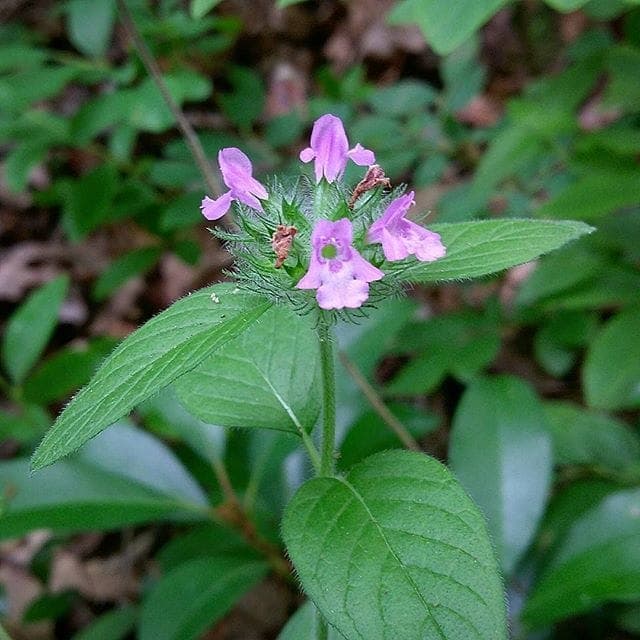
Doppelbrau / CC BY-SA 4.0, via Wikimedia Commons
Cushion calamint: complete guide
Clinopodium vulgare
Want to see Cushion calamint: complete guide in your garden?
1 minute, no credit card
Overview
Clinopodium vulgare, commonly known as cushion calamint, is a tough, herbaceous perennial that thrives in sunny, dry spots in the garden. As a member of the Lamiaceae family, it shares traits like square stems and aromatic foliage, typical of mint relatives. Native to southern and central Europe, it's often found along dry hedgerows, forest edges, and rocky slopes - but it's increasingly popular in modern gardens for its ecological value and low maintenance.
Hardy in USDA zones 5 to 8, cushion calamint handles cold winters with ease, especially when planted in well-drained soil. It's a resilient plant that doesn't need coddling, making it ideal for gardeners who prefer a naturalistic, wildlife-supporting approach. On gardenworld.app, you can design a garden layout that integrates this plant seamlessly into drought-tolerant or pollinator-friendly schemes.
Appearance & bloom cycle
This plant reaches 30 to 50 cm in height, forming a dense, cushion-like mound of dark green, oval-shaped leaves with a slightly rough texture. From July through September, it produces whorls of small, two-lipped purple flowers at the top of upright stems. These blooms are highly attractive to bees, bumblebees, and butterflies, making it a valuable addition to any pollinator garden.
The flowers have the classic Lamiaceae structure - a prominent lower lip that acts as a landing platform for insects. When brushed, the foliage releases a mild, minty-citrus fragrance, adding sensory interest to sunny borders.
Ideal location
Cushion calamint thrives in full sun - aim for at least 6 hours of direct sunlight per day (ideally 7-9 on the 1-10 scale). It performs best on south-facing slopes, dry stone walls, gravel gardens, or in herb gardens where competition from taller plants is minimal.
Avoid heavily shaded areas or spots with overhead tree cover that retain moisture. It's not suited for damp, shady corners. For gardeners in the UK, look for it at garden centres like those found in independent nurseries or larger chains.
On gardenworld.app, you can visualise how this plant fits into sun-drenched planting schemes, helping you plan borders that bloom late into summer.
Soil requirements
This plant prefers well-drained, moderately fertile soil with a pH between 7.0 and 7.5. It tolerates poor, sandy, or gravelly soils but struggles in heavy clay or waterlogged conditions. To improve drainage, mix in sharp sand or fine grit when planting.
Avoid overly rich, compost-heavy soils. Cushion calamint is adapted to lean conditions; too much nitrogen leads to floppy growth and fewer flowers. A light dressing of garden compost in spring is sufficient - no heavy feeding needed.
Free design
Want to see Cushion calamint: complete guide in your garden? Make a free design now.
Watering
Once established, Clinopodium vulgare is highly drought-tolerant. During the first growing season, water once a week if rainfall is low. After that, it generally survives on natural rainfall, even during dry spells.
When watering, apply at the base to avoid wetting the foliage, which can lead to fungal diseases. Overhead watering in humid climates increases the risk of mildew, so water early in the morning if needed.
Pruning
Prune back the plant in late September or early October, cutting stems down to about 10 cm above ground level. This encourages compact growth the following year and prevents legginess.
Use clean, sharp secateurs and remove any dead or damaged stems. Avoid heavy mulching over the crown - this can trap moisture and lead to rot. Let the plant die back naturally, but tidy up for a neater winter appearance.
Maintenance calendar
- Jan: check for winter damage, no feeding
- Feb: dormant; wait for signs of green
- Mar: light inspection for aphids, remove old stems
- Apr: new shoots emerge; lightly loosen topsoil
- May: growth accelerates; monitor for dry spells
- Jun: pre-bloom phase; minimal care needed
- Jul: peak bloom; highly attractive to pollinators
- Aug: continued flowering; avoid pruning now
- Sep: flowering winds down; prepare for pruning
- Oct: cut back after bloom; clear debris
- Nov: leave some stems for winter interest and insect shelter
- Dec: fully dormant; ensure good air circulation
Winter hardiness
Hardy in USDA zones 5-8, cushion calamint survives cold winters without protection as long as the soil drains well. In colder zones (5-6), a light mulch of dry leaves or straw can help, but avoid smothering the crown.
The plant often retains its dried stems through winter, which provide structure and habitat for overwintering insects. This makes it a great choice for wildlife gardens that aim to support biodiversity year-round.
Companion plants
Pair cushion calamint with other sun-loving, drought-tolerant species like Sedum, Echinacea, Nepeta, and Salvia officinalis. It combines well with silver-foliaged plants like Artemisia or Santolina, creating visual contrast. Avoid overly vigorous groundcovers like mint or ivy that can crowd it out.
In herb gardens, it grows well alongside thyme and oregano. It's occasionally stocked at garden centres in the UK, particularly those with a focus on native or pollinator-friendly plants.
Closing
Clinopodium vulgare is a reliable, long-blooming perennial that asks for little and gives back abundantly. Its ability to thrive in poor, dry soil while supporting pollinators makes it a smart choice for sustainable gardens.
With its upright habit, fragrant foliage, and cheerful purple flowers, it adds both form and function to sunny borders. Whether you're creating a gravel garden or revitalising a neglected corner, this plant delivers.
Use gardenworld.app to experiment with planting combinations and see how cushion calamint enhances your garden's late-summer appeal.
Want to see Cushion calamint: complete guide in your garden? Make a free design now.
Upload a photo, pick a style, and get a photorealistic design with plant list in under a minute.
No credit card required


Similar plants
Apple mint (Mentha x villosa): complete guide
Mentha x villosa
Meet apple mint (Mentha x villosa): a fruity-scented kitchen herb with woolly leaves, perfect for tea and mojitos.
Salvia peyronii: complete guide
Salvia peyronii
Discover Salvia peyronii, a rare Lebanese mountain sage. Growing tips, hardiness, and companion planting for a Mediterranean gravel garden.
Bigleaf mint (Mentha x rotundifolia): complete guide
Mentha x rotundifolia
Discover bigleaf mint: cultivation, care tips, and garden uses. Learn how to grow this aromatic herb with soft, hairy leaves.