
Margoth195 / CC BY-SA 4.0, via Wikimedia Commons
Lesser calamint: complete guide
Clinopodium nepeta
Want to see Lesser calamint: complete guide in your garden?
1 minute, no credit card
Overview
Lesser calamint, known botanically as Clinopodium nepeta, is a charming, semi-woody herbaceous perennial from the mint family (Lamiaceae). Native to southern Europe-regions like Greece, France, and Bulgaria-it thrives in sunny, well-drained spots and has gained popularity in cottage and drought-tolerant gardens across the UK and US. Reaching 8 to 16 inches tall and spreading up to 20 inches wide, it forms a soft, bushy mound that adds texture and movement to garden beds.
On gardenworld.app, you can design a garden layout that highlights plants like lesser calamint, ensuring they're placed where sun, soil, and companionship support long-term success.
Appearance & bloom cycle
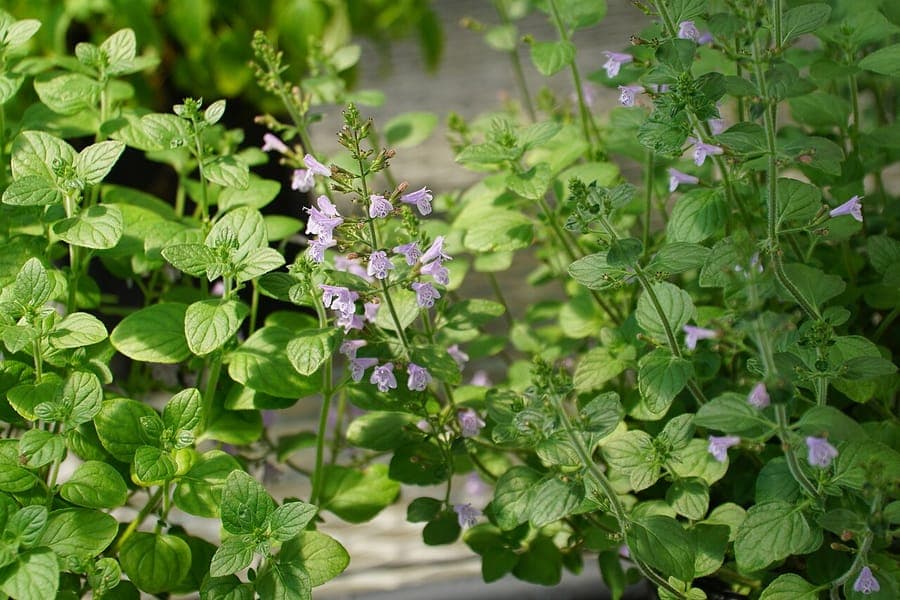
Lesser calamint features square, slightly hairy stems and small, ovate leaves measuring 1 to 2 cm in length. The foliage is mid to dark green with a faint greyish tint due to fine pubescence. When brushed or crushed, the leaves emit a mild minty fragrance-not as strong as true mint, but pleasant and fresh.
From July to September, the plant produces clusters of tiny tubular flowers at the tips of stems. Each bloom is pale lavender to soft blue, about 5–6 mm wide, with a slightly notched upper lip. The flowering is profuse and attracts bees, hoverflies, and even small butterflies. Deadheading isn't essential, but a light trim after peak bloom encourages a second, smaller flush in early autumn.
Ideal location
Full sun is best-six or more hours daily-for compact growth and maximum flowering. While it tolerates light shade, plants become leggy and bloom less in lower light. It's perfect for sunny borders, rock gardens, gravel beds, or spilling gently between paving stones.
Avoid wet, stagnant spots. Use it in Mediterranean-style schemes or pollinator borders. Pair it with other sun-lovers like lavender, yarrow, or catmint. For visual planning, gardenworld.app offers tools to preview plant combinations, helping you see how lesser calamint fits into your existing design.
Soil requirements
This plant demands excellent drainage. Heavy clay soils, especially those that stay wet in winter, lead to root rot. Use a mix of garden soil, sharp sand, and compost to lighten dense ground. A pH between 6.0 and 7.5 is ideal-slightly acidic to neutral.
In containers, opt for a gritty mix with perlite or pumice. Avoid moisture-retentive additives like peat unless balanced with plenty of drainage material. Raised beds are excellent for improving soil conditions.
Free design
Want to see Lesser calamint: complete guide in your garden? Make a free design now.
Watering
Once established (after the first growing season), lesser calamint is highly drought tolerant. During the first summer, water weekly if rainfall is below 2.5 cm. After that, natural rainfall is usually sufficient unless experiencing prolonged dry spells over three weeks.
Water at the base to keep foliage dry and prevent fungal diseases. Deep, infrequent watering encourages deeper root development, making the plant more resilient.
Pruning
Pruning is key to maintaining shape and preventing woodiness. After flowering in late September, cut the plant back by half. This promotes bushier growth and may trigger a second bloom. In early spring (March in USDA zones 7–8), remove any dead or brittle stems before new growth emerges.
Avoid hard pruning in autumn or winter, as this can expose the crown to winter moisture and cold damage.
Maintenance calendar
- March: Remove old stems, apply light organic mulch
- May: Plant new specimens, water if dry
- July–September: Peak bloom; monitor for drought stress
- September: Cut back by 50% after flowering
- October: Enjoy late-season pollinators; leave seed heads if desired
- November–February: Minimal care; protect from waterlogged soil
Winter hardiness
Lesser calamint is hardy in USDA zones 5 to 9. In zones 5 and 6, a light mulch of gravel or sand helps protect the crown from freeze-thaw cycles. In higher rainfall areas, ensure the planting site slopes slightly to shed water.
Plants may die back in winter but usually re-sprout in spring. Replace clumps every 4–5 years as they become woody and less vigorous.
Companion plants
Excellent companions include Salvia nemorosa, Echinacea, Sedum 'Autumn Joy', and ornamental grasses like Festuca glauca. Its soft lavender flowers contrast beautifully with yellow coreopsis or deep purple alliums.
In herb gardens, grow it near thyme, oregano, or sage. Its scent mildly deters aphids and slugs, though it's not a foolproof barrier.
Closing
Lesser calamint is a low-maintenance, high-reward plant that brings delicate beauty and ecological value to the garden. It's easy to grow, rarely troubled by pests, and thrives with minimal intervention. Look for it at garden centres across the UK and US, or at online retailers like those listed on gardenworld.app that carry native and pollinator-friendly perennials.
With its airy blooms and resilience, it's ideal for beginner gardeners and seasoned designers alike. Plan your layout wisely, give it sun and sharp drainage, and it will return year after year. Use gardenworld.app to map your planting zones and create a sustainable, flowering garden that works with your climate.
Want to see Lesser calamint: complete guide in your garden? Make a free design now.
Upload a photo, pick a style, and get a photorealistic design with plant list in under a minute.
No credit card required


Similar plants
Apple mint (Mentha x villosa): complete guide
Mentha x villosa
Meet apple mint (Mentha x villosa): a fruity-scented kitchen herb with woolly leaves, perfect for tea and mojitos.
Salvia peyronii: complete guide
Salvia peyronii
Discover Salvia peyronii, a rare Lebanese mountain sage. Growing tips, hardiness, and companion planting for a Mediterranean gravel garden.
Bigleaf mint (Mentha x rotundifolia): complete guide
Mentha x rotundifolia
Discover bigleaf mint: cultivation, care tips, and garden uses. Learn how to grow this aromatic herb with soft, hairy leaves.