
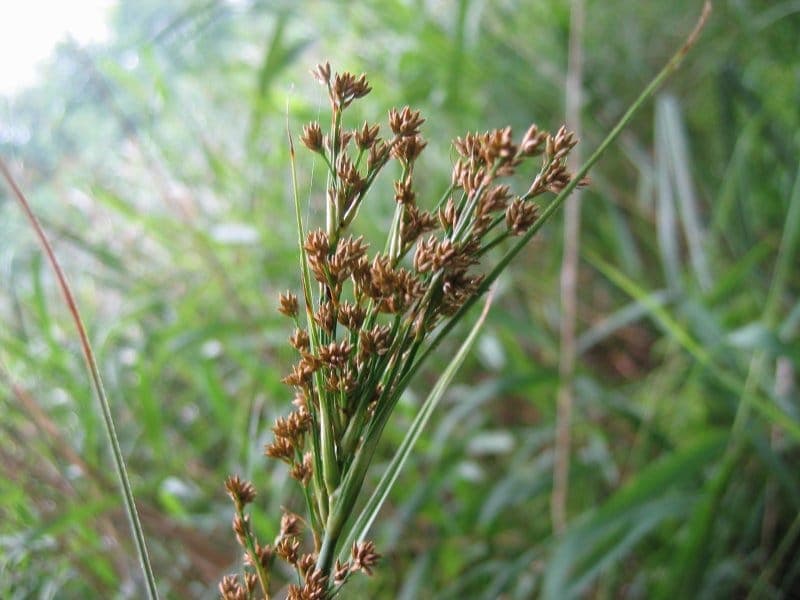
Kristian Peters -- Fabelfroh 15:47, 20 October 2006 (UTC) / CC BY-SA 3.0, via Wikimedia Commons
Swamp sawgrass: complete guide
Cladium mariscus
Want to see Swamp sawgrass: complete guide in your garden?
1 minute, no credit card
Overview
Cladium mariscus, commonly known as swamp sawgrass, is a striking, upright sedge from the Cyperaceae family. Though not native to the UK or most of North America, it's increasingly popular in wetland gardens, bog plantings, and waterside landscapes. It's not a true grass but a robust, clump-forming perennial sedge with a bold architectural presence. If you're aiming for a lush, wild look at the edge of your pond or rain garden, this plant delivers drama and habitat value.
On gardenworld.app you can design a planting scheme that integrates swamp sawgrass with complementary moisture-loving plants, ensuring year-round texture and ecosystem support. The plant is native to swampy regions across southern Europe, North Africa, the southeastern US, and parts of South America, thriving in permanently wet conditions.
Appearance & bloom cycle
Swamp sawgrass reaches 4 to 6 feet (120–180 cm) in height, with a spread of 2 to 3 feet (60–90 cm). The leaves are long, narrow, and silver-green, with finely serrated edges-sharp enough to cut skin, hence the name "sawgrass." The flowering stalks emerge in early summer (June to August), bearing inconspicuous brownish-beige flower clusters that rise above the foliage on stiff, triangular stems. While not flashy, the blooms add subtle height and attract pollinators like hoverflies and small bees.
By late summer, seed heads form and persist into early winter, providing visual interest. The plant remains semi-evergreen in milder climates (USDA zones 8–9), with foliage turning yellow-brown in fall but often staying upright through winter, adding movement to the dormant garden.
Ideal location
Full sun is best for dense growth and strong stems. Swamp sawgrass tolerates light shade but may become floppy or sparse. The ideal spot is at the margin of a pond, stream, or bog garden-anywhere the soil stays consistently wet. It can grow in up to 4 inches (10 cm) of standing water, making it perfect for shallow pond edges or waterlogged basins. Avoid dry borders, sandy soils, or hot, exposed banks that dry out quickly.
This plant spreads slowly by rhizomes and forms tight clumps over time. Give it at least 60 cm of space on all sides to develop properly. It works especially well in naturalistic designs or wildlife-friendly gardens.
Soil requirements
The soil must be consistently moist, rich in organic matter, and well-aerated. Ideal pH ranges from 5.5 to 7.5-slightly acidic to neutral. Heavy clay can work if it retains moisture, but avoid compacted or anaerobic soils. If planting in a pond, use a mix of loam and compost in a submerged planting basket to prevent root suffocation. Avoid peat-based composts, which can float and degrade in water.
In garden beds, amend the soil with well-rotted manure or leaf mold to boost organic content. Mulch with composted bark in spring to retain moisture and suppress weeds.
Free design
Want to see Swamp sawgrass: complete guide in your garden? Make a free design now.
Watering
Never let the root zone dry out. During the growing season (April to October), swamp sawgrass needs constant access to water. In drought-prone areas, hand-water weekly during dry spells. If grown in a pond, maintain a stable water level-fluctuations greater than 10 cm can stress the plant. Rainwater is preferred over tap water, especially in hard water areas, as prolonged exposure to alkaline water can cause leaf tip burn.
Pruning
Cut back old foliage in late winter or early spring (February to March), before new growth emerges. Trim the dead leaves to about 30 cm above ground level. Wear thick gloves and long sleeves-the serrated edges can cause cuts. This cleanup prevents fungal issues and makes room for fresh, upright growth.
Division is rarely needed but can be done every 4–5 years in early spring if the clump becomes overcrowded. Split with a sharp spade and replant divisions immediately in moist soil.
Maintenance calendar
- January: Monitor for frost damage; no pruning yet
- February: Begin cutting back old growth
- March: Complete pruning; check soil moisture
- April: New shoots appear; apply organic mulch
- May: Rapid growth phase; ensure consistent watering
- June-August: Flowering; observe pollinator activity
- September: Growth slows; reduce watering slightly
- October: Let fallen leaves accumulate; no feeding
- November-January: Dormant period; no active care
Winter hardiness
Swamp sawgrass is hardy in USDA zones 6–9. In zone 6, it may die back completely but returns reliably in spring if roots stay moist. In zones 7–9, foliage often persists through winter. In harsh winters, apply a light mulch of straw or leaf litter around the base to protect young plants. Established clumps generally survive without protection.
Avoid covering the crown too deeply, as this can promote rot. The plant handles occasional frost well but not prolonged ice cover or frozen soil without snow insulation.
Companion plants
Pair swamp sawgrass with other moisture-loving perennials like Iris versicolor, Carex vulpinoidea, Eutrochium maculatum (spotted Joe-Pye weed), and Ligularia dentata. For contrast, plant with dark foliage such as Osmunda regalis (royal fern) or gunnera. In formal water features, contrast its upright form with mounding plants like Anemone canadensis or floating Azolla.
On gardenworld.app you can visualise companion plantings that match the moisture and light needs of swamp sawgrass, helping you create a balanced, dynamic wetland garden.
Closing
Swamp sawgrass is a resilient, architectural plant perfect for wet corners where few others thrive. With its tall form, textured foliage, and low maintenance needs, it adds structure and habitat to pond edges and bog gardens. Just keep it wet, give it space, and prune once a year. You can find Cladium mariscus at garden centres across the UK and US, often sold in 3L pots or as pond plant bundles. Remember: this isn't a border grass-it's a wetland specialist. Respect its needs, and it will reward you with years of bold beauty.
Want to see Swamp sawgrass: complete guide in your garden? Make a free design now.
Upload a photo, pick a style, and get a photorealistic design with plant list in under a minute.
No credit card required


Similar plants
Flat-stemmed club-rush: complete guide
Bolboschoenus planiculmis
Everything about Bolboschoenus planiculmis: growing conditions, watering, care, and use as a pond margin or wetland plant in garden design.
Great Plains flatsedge: complete guide
Cyperus lupulinus
Everything about Great Plains flatsedge (Cyperus lupulinus): growing conditions, care, garden uses, and ecological value. Tips for pond margins and dry sandy soils.
Golden beak sedge: complete guide
Rhynchospora corymbosa
Everything about golden beak sedge (Rhynchospora corymbosa): a dramatic tropical marginal for pond edges, bog gardens, and wet habitats.