
Ivar Leidus / CC BY-SA 4.0, via Wikimedia Commons
Pomelo: complete guide
Citrus maxima
Want to see Pomelo: complete guide in your garden?
1 minute, no credit card
Overview
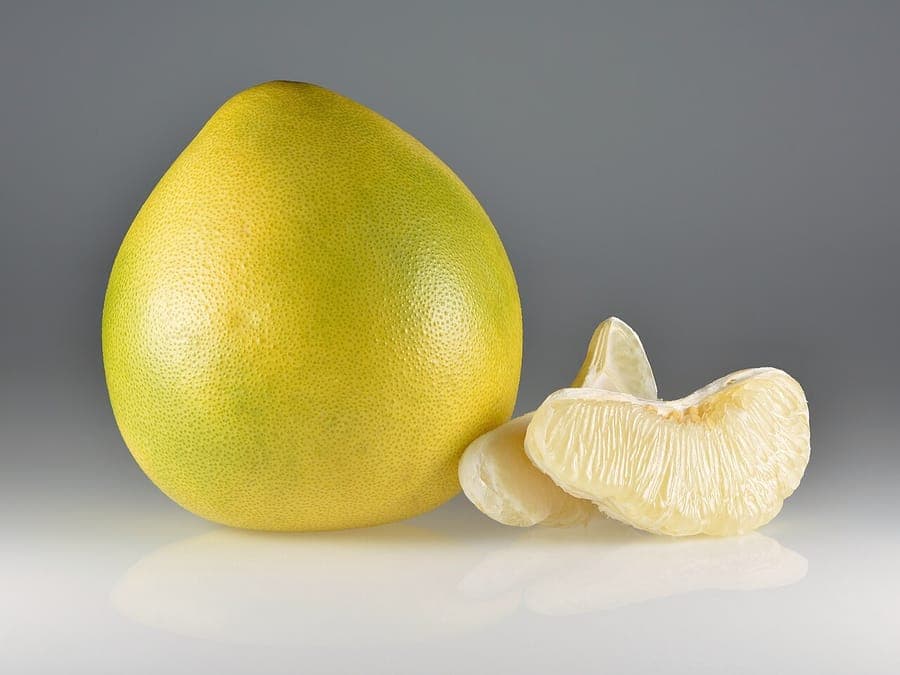
The pomelo (Citrus maxima) is a fascinating citrus fruit that resembles a grapefruit but grows much larger and has a milder, sweeter taste. This tree originates from Southeast Asia, where it has been cultivated for thousands of years. The fruit is famous for its enormous size, sometimes reaching 30 centimeters in diameter, and is packed with vitamin C and essential nutrients. If you are looking for a unique fruit tree for your garden, the pomelo is definitely worth considering.
Appearance and bloom
The pomelo grows into an attractive, compact tree reaching 4 to 8 meters in height. The leaves are large, dark green, and glossy, making the tree decorative year-round. In spring, fragrant white flowers appear that attract many bees. These flowers develop into the characteristic large, yellow fruits that ripen in autumn. The fruits can weigh 1 to 2 kilograms each.
Ideal location
The pomelo loves full sun and needs at least 6 hours of direct sunlight daily. This is essential for good fruit set and flavor development. Plant the tree in a sheltered spot away from strong winds. In climates with harsh winters, it is advisable to grow the tree in a pot that you can move indoors during winter. In warm climates, it can stay outdoors year-round.
Soil
The pomelo thrives best in loose, well-draining soil with a pH between 5.5 and 7.0. Add plenty of organic matter, such as compost or peat moss. The tree tolerates acidic soil better than alkaline. A mixture of garden soil, compost, and sand ensures optimal growth. Make sure drainage is good, as the tree does not tolerate waterlogging well.
Watering
During the growing season (May to September), water regularly, especially during dry spells. The soil should be moist but not wet. Water when the top 2 centimeters of soil feel dry. In winter, you can water less, but ensure the soil does not dry out completely. With potted trees, pay attention to regular watering, as pot soil dries out faster.
Free design
Want to see Pomelo: complete guide in your garden? Make a free design now.
Pruning
The pomelo requires little pruning, but you can remove dead branches in spring. Pruning after harvest helps the tree direct its energy into growth and blooms for the next season. Remove crossing or inward-growing branches to maintain an open canopy. With potted trees, you can control the shape by shortening the sides.
Maintenance calendar
March: Check for diseases and pests. Remove dead wood. April to May: Fertilize monthly with organic fruit tree fertilizer. June to August: Ensure regular watering. September: Check fruit ripeness. October: Begin reducing water gradually. November to February: Minimal watering, no feeding.
Winter hardiness
The pomelo is not winter hardy and can only grow outdoors in subtropical and tropical climates. In temperate climates, the tree must be protected or brought indoors. Temperatures below 10 degrees Celsius are harmful. Frost can damage flowers and young fruit. In the United Kingdom and northern Europe, grow the tree in a greenhouse or sheltered location, or in a large pot that you move indoors.
Companion plants
For a pomelo tree in a mixed garden, plant low-growing plants such as oregano, lavender, or thyme in front. These attract pollinators. In container growing, combine your pomelo with evergreens and flowering potted plants for year-round beauty. Ensure companion plants do not compete for nutrients and water with the pomelo.
Closing
The pomelo is a beautiful and productive fruit tree for anyone wishing to add a tropical touch to their garden. With good sunlight, regular watering, and protection from frost, you can enjoy this unique citrus fruit for years. Purchase seedlings from local garden centers and start growing your own pomelo tree today. Patience pays off, as within three to five years you will begin harvesting these delicious fruits. For more garden advice, visit gardenworld.app and discover countless other fruit trees.
Want to see Pomelo: complete guide in your garden? Make a free design now.
Upload a photo, pick a style, and get a photorealistic design with plant list in under a minute.
No credit card required


Similar plants
Thamnosma montana: complete guide
Thamnosma montana
Everything about Thamnosma montana, the aromatic turpentine broom from the Mojave Desert. Location, soil, care and companion planting explained.
Narrow-leaved fringed rue: complete guide
Ruta angustifolia
Everything about Ruta angustifolia: location, soil, watering, pruning and winter care for this Mediterranean subshrub.
Mountain rue: complete guide
Ruta montana
A complete guide to Ruta montana: best location, soil, watering, pruning and overwintering of this aromatic Mediterranean subshrub.