
Willow / CC BY 2.5, via Wikimedia Commons
European hornbeam: complete guide
Carpinus betulus
Want to see European hornbeam: complete guide in your garden?
1 minute, no credit card
Overview
Carpinus betulus, better known as the European hornbeam, is a tough, reliable tree that's earned its place in British and European gardens for centuries. It's not truly evergreen, but one of its most useful traits is marcescence – the habit of holding onto its dry, pale brown leaves all winter. This makes it a top choice for hedges where year-round screening is needed, especially in colder zones where traditional evergreens struggle. It grows slowly to moderately, adding 20–30 cm per year, eventually reaching 15–20 m in height and 8–12 m in spread.
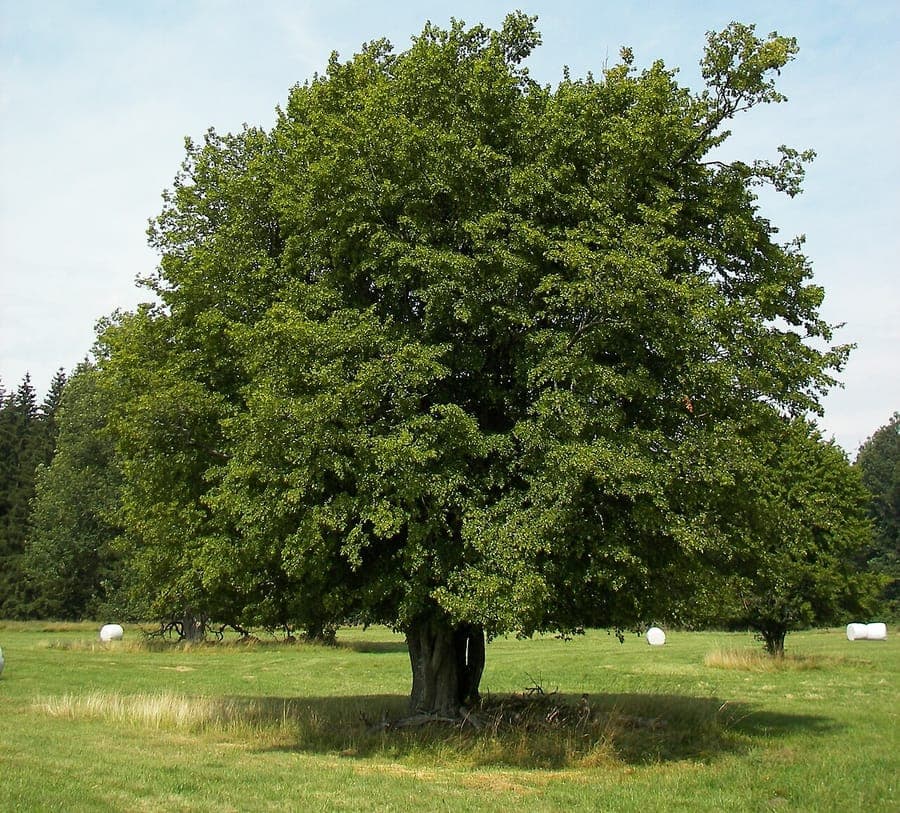
As a specimen tree, it forms a dense, upright oval crown with smooth, silvery-grey bark that develops attractive fluting and muscle-like ridges with age. On gardenworld.app, you can visualise how a hornbeam might fit into your garden layout, whether as a standalone feature, a formal hedge, or a windbreak. Its versatility and resilience make it a favourite among gardeners who want structure without high maintenance.
Appearance & bloom cycle
The leaves are small, ovate, and sharply toothed, emerging fresh green in spring and deepening to a rich, dark green in summer. In autumn, they turn warm yellow to coppery brown and mostly persist through winter, only dropping when new buds push in spring. This clinging foliage gives the tree a neat, enclosed look during the colder months.
Flowering occurs in April and May. The blooms are subtle: small, yellow-green catkins dangle from the branches. They're wind-pollinated and inconspicuous, offering no fragrance or showy display. By late summer, the tree produces tiny nutlets with three-lobed bracts that attract birds like finches and siskins. While the flowers aren't the highlight, the tree supports wildlife and adds seasonal interest.
Ideal location
European hornbeam thrives in full sun to light shade (light factor 7/10). It performs best with at least half a day of direct sun but tolerates partial shade, making it suitable for gardens under tree canopies or near north-facing walls. Avoid deep, permanent shade, as this leads to sparse foliage and weak growth.
Give it space. Plant specimen trees at least 3 m from buildings or other large plants to prevent root competition. For hedges, space plants 60–80 cm apart. If you're designing a new hedge, gardenworld.app offers a spacing calculator that adjusts for height, density, and garden dimensions.
Soil requirements
This tree is adaptable but prefers moist, well-drained soil with a pH between 5.5 and 6.5. It grows well in clay, loam, and sandy soils as long as water doesn't pool. Heavy clay can be improved with grit; light sand benefits from organic matter like compost to retain moisture.
Avoid waterlogged or highly alkaline soils. If your soil is chalky, consider raised beds or amendments to lower pH. A simple soil test kit from any garden centre can help you assess pH and nutrient levels before planting.
Free design
Want to see European hornbeam: complete guide in your garden? Make a free design now.
Watering
Water deeply and regularly during the first growing season, especially in dry spells. Once established, the hornbeam is drought-tolerant thanks to its deep root system. Still, prolonged dry periods in summer can stress young trees or hedges, so occasional watering is wise.
Use a soaker hose or water at the base to prevent wetting the foliage, which can encourage fungal diseases. Rainwater is ideal – it's free of chemicals and better for soil biology.
Pruning
Hornbeam responds exceptionally well to pruning, making it perfect for formal hedges. Clip in July or August to maintain a crisp shape and encourage dense foliage. Avoid winter pruning, as the tree is more vulnerable to fungal infections when dormant.
For specimen trees, pruning is minimal. Remove dead, damaged, or crossing branches in late winter. Wait 2–3 years before starting formative pruning to allow strong framework development. Always use clean, sharp tools to prevent disease spread.
Maintenance calendar
- January–February: Inspect for storm damage. Remove broken or diseased wood.
- March: Apply a layer of well-rotted compost around the base (keep away from the trunk).
- April–May: Flowering period. Monitor for drought stress.
- June: Check hedge density. Light trim if needed.
- July–August: Primary hedge-cutting window. Water during dry spells.
- September–October: Leaves turn and mostly persist. Leave fallen leaves as natural mulch.
- November–December: Final inspection. Avoid de-icing salt near roots.
Winter hardiness
European hornbeam is fully hardy in USDA zones 4–8, tolerating temperatures down to -30°C. Its marcescent leaves offer extra wind protection in winter. However, salt used for de-icing paths or roads can damage roots and foliage, so avoid planting near treated surfaces.
Plant in autumn or early spring when the soil is workable. Young trees in exposed sites may benefit from temporary tree guards or fleece wraps for the first few winters.
Companion plants
Under a hornbeam, choose shade-tolerant perennials like Hostas, Hellebores, or Epimediums. For sunny areas around specimen trees, consider drought-tolerant plants like Lavender or Nepeta. Avoid vigorous groundcovers that compete for moisture.
Leave a clear circle of at least 1 m around the trunk to reduce competition and prevent root damage from mowers or strimmers.
Closing
The European hornbeam is a workhorse of the garden – tough, elegant, and low-maintenance. Whether you're planting a privacy hedge, a windbreak, or a striking standalone tree, it delivers year-round structure and seasonal beauty. It's forgiving of soil types, resists pests, and ages gracefully. Once established, it asks for little but gives back much. You'll find Carpinus betulus at most garden centres across the UK. Before you plant, use gardenworld.app to plan your layout and see how this versatile tree can transform your outdoor space.
Want to see European hornbeam: complete guide in your garden? Make a free design now.
Upload a photo, pick a style, and get a photorealistic design with plant list in under a minute.
No credit card required


Similar plants
Heart-leaf birch: complete guide
Betula cordifolia
Heart-leaf birch is an attractive North American birch tree for large gardens. Discover growth, white papery bark and winter hardiness.
Tropical hornbeam: complete guide
Carpinus tropicalis
Everything about Carpinus tropicalis, the tropical hornbeam from Central America. Growing tips, location, care, and garden use explained.
Japanese Alder (Alnus firma): complete guide
Alnus firma
Learn everything about Japanese Alder in our complete guide. Discover care, growth, and applications for larger gardens.