
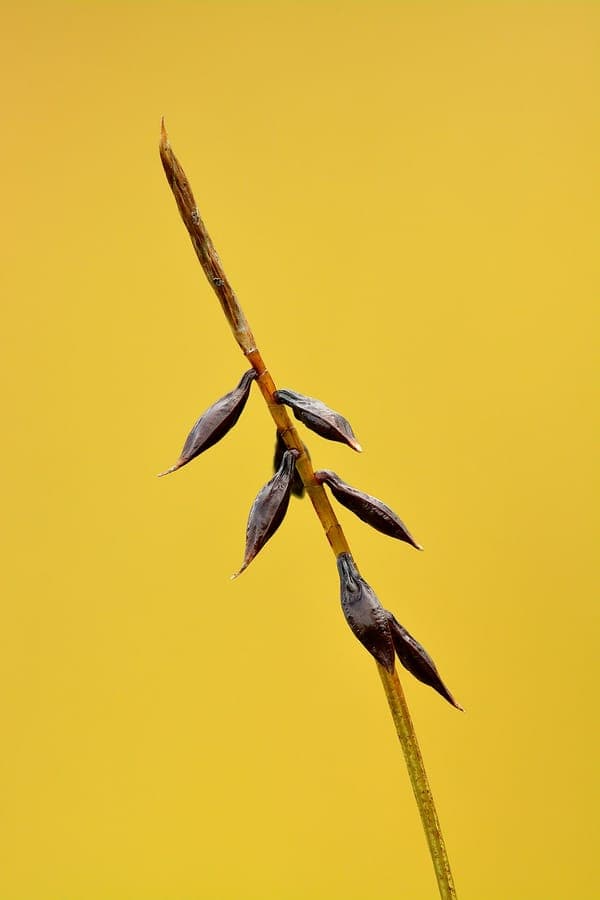
Ivar Leidus / CC BY-SA 4.0, via Wikimedia Commons
Flea sedge: complete guide
Carex pulicaris
Want to see Flea sedge: complete guide in your garden?
1 minute, no credit card
Overview
Flea sedge, or Carex pulicaris, is a quietly impressive perennial that thrives in damp, acidic conditions where many garden plants struggle. Native to large parts of central and northern Europe - including the UK - it's well adapted to temperate climates and wet soils. As a member of the Cyperaceae family, it behaves like a grass but offers a finer texture and more resilience in boggy areas. It's perfect for gardeners looking to add structure to pond margins, damp borders, or shady low spots.
On gardenworld.app you can design a planting scheme that integrates Flea sedge into a moisture-rich zone, helping you visualise how it complements other moisture-loving plants in your garden.
Appearance & bloom cycle
Flea sedge forms tight, tufted clumps reaching 20–30 cm in height. The leaves are narrow, dark green, and slightly rough to the touch, with a subtle V-shape in cross section. In May and June, slender brown flower spikes rise just above the foliage, creating a soft, textured contrast. These aren't showy blooms, but they add quiet interest and attract small pollinators like hoverflies and tiny beetles.
The flowering period lasts about three to four weeks. After pollination, the spikes fade to a pale tan and persist into winter, offering visual structure during the dormant months. The plant remains semi-evergreen in milder climates, keeping some of its foliage through the colder season.
Ideal location
Flea sedge prefers partial to full shade but needs at least 5–6 hours of indirect light per day (light level 8/10). A north-facing slope, the edge of a woodland garden, or the shady side of a pond are all ideal. While it tolerates morning sun, avoid hot afternoon exposure, which can dry out the roots too quickly.
It's an excellent choice for rain gardens or low-lying areas that collect water after heavy rain. On gardenworld.app, you can explore garden layouts where Flea sedge is used to soften hard edges between dry and wet zones, adding a natural transition.
Soil requirements
The soil must be consistently moist, humus-rich, and acidic, with a pH between 5.0 and 5.5. Avoid alkaline or chalky soils - they'll cause yellowing leaves and stunted growth. If your garden has sandy or neutral soil, amend it with ericaceous compost or well-rotted leaf mould to lower the pH and improve water retention.
A mix of topsoil, peat substitute, and a touch of clay works well. The key is to maintain moisture without waterlogging - good structure matters more than perfect drainage.
Free design
Want to see Flea sedge: complete guide in your garden? Make a free design now.
Watering
Keep the soil damp at all times, especially during the growing season (April to September). In dry spells, water deeply every 2–3 days. A thick mulch of pine needles or bark chips helps conserve moisture and keeps the root zone cool. Avoid letting the plant sit in stagnant water - while it likes wet soil, it doesn't thrive in standing water for long periods.
Overhead watering is acceptable, but try to avoid prolonged wetness on the leaves to reduce fungal risks.
Pruning
Flea sedge requires minimal pruning. In late winter or early spring (February–March), remove any dead or damaged foliage with sharp secateurs. Cut back just enough to tidy the clump - don't cut into the crown, as this can damage new growth. Leave the old flower spikes through winter for visual interest and habitat value.
Never use hedge trimmers - they shred the delicate blades and leave the plant looking ragged.
Maintenance calendar
- Jan: Check for frost damage; leave debris for overwintering insects
- Feb: Trim dead leaves; inspect for pests
- Mar: Apply acidic compost around base
- Apr: Monitor soil moisture; mulch if needed
- May: Flower spikes emerge; keep soil consistently damp
- Jun: Peak bloom; watch for dry spells
- Jul: Continue regular watering; shade if necessary
- Aug: Maintain moisture; avoid drought stress
- Sep: Reduce watering gradually
- Oct: Let plant prepare for dormancy
- Nov: Leave standing for winter structure
- Dec: No action needed unless extreme frost (light mulch)
Winter hardiness
Flea sedge is hardy to USDA zone 5 (–20°C). It survives UK and northern European winters without protection in most cases. In areas with fluctuating freeze-thaw cycles, a light winter mulch of bracken or straw can help insulate the crown. Avoid plastic covers - they trap moisture and encourage rot.
Its semi-evergreen habit means it contributes visual interest even in winter gardens.
Companion plants
Pair Flea sedge with other moisture- and acid-loving plants such as:
- Molinia caerulea (purple moor grass)
- Eriophorum angustifolium (common cottongrass)
- Menyanthes trifoliata (bogbean)
- Lychnis flos-cuculi (ragged robin)
- Carex remota (remote sedge)
These combinations create a layered, naturalistic planting scheme ideal for bog gardens. On gardenworld.app, you'll find curated plant lists and garden designs that feature these companions alongside Flea sedge.
Closing
Flea sedge is a low-key but invaluable plant for damp, shady gardens. It's tough, wildlife-friendly, and requires little upkeep once established. Plant in groups of 5–7 for best impact. You'll find Carex pulicaris at garden centres across the UK, often in the waterside or native plant sections.
Want to see Flea sedge: complete guide in your garden? Make a free design now.
Upload a photo, pick a style, and get a photorealistic design with plant list in under a minute.
No credit card required


Similar plants
Flat-stemmed club-rush: complete guide
Bolboschoenus planiculmis
Everything about Bolboschoenus planiculmis: growing conditions, watering, care, and use as a pond margin or wetland plant in garden design.
Great Plains flatsedge: complete guide
Cyperus lupulinus
Everything about Great Plains flatsedge (Cyperus lupulinus): growing conditions, care, garden uses, and ecological value. Tips for pond margins and dry sandy soils.
Golden beak sedge: complete guide
Rhynchospora corymbosa
Everything about golden beak sedge (Rhynchospora corymbosa): a dramatic tropical marginal for pond edges, bog gardens, and wet habitats.