
BLM / Public domain, via Wikimedia Commons
Livid sedge: complete guide
Carex livida
Want to see Livid sedge: complete guide in your garden?
1 minute, no credit card
Overview
Carex livida, commonly known as livid sedge, is a perennial grass-like plant from the Cyperaceae family, native to cool, wet regions across North America, Iceland, Finland, and parts of South America. In garden settings, it thrives where few ornamental grasses succeed-moist to wet soils with consistent hydration. It's an excellent choice for rain gardens, pond margins, or shaded boggy areas, particularly in USDA hardiness zones 5 through 8.
This sedge is slowly gaining popularity among gardeners and landscape designers seeking low-maintenance, ecologically sound plants. Its subtle beauty lies in fine texture and quiet resilience. On gardenworld.app, you can create a garden layout tailored to moisture-loving plants like Carex livida, helping you visualise spacing and companion planting before you dig.
Appearance & bloom cycle
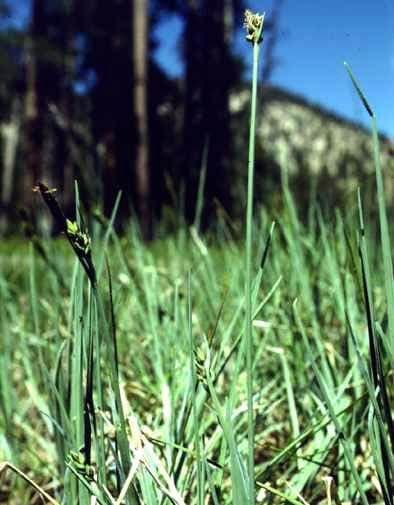
Livid sedge forms neat, compact tufts of narrow, arching leaves that grow 20–40 cm tall. The foliage is a soft, light green, creating a delicate carpet-like effect. In late spring-typically May to early June-slender, grey-green flower spikes rise 10–15 cm above the leaves. The flowers are not showy, but they add visual texture and attract beneficial insects.
By mid-summer, seed heads develop into small, dark brown to olive-green nutlets. The plant retains its green color well into autumn, fading slightly to yellow-green in November. It's semi-evergreen in milder climates, meaning it keeps most of its foliage through winter, offering structure when many plants have died back.
Ideal location
Plant Carex livida in partial to full shade. While it tolerates morning sun, avoid hot afternoon exposure, especially in southern garden zones. Ideal spots include the north side of buildings, under deciduous trees, or along the edges of streams and ponds.
It's particularly effective as a groundcover in damp areas or as a soft edging plant near water features. Its fine texture contrasts beautifully with bolder-leaved plants like Ligularia or Rodgersia. Use gardenworld.app to test plant combinations digitally, ensuring your design balances form, color, and moisture needs.
Soil requirements
This sedge demands consistently moist, humus-rich soil with a pH between 5.0 and 6.5. It prefers organic matter-think leaf mold, composted pine bark, or well-rotted manure. Avoid sandy or chalky soils, as they drain too quickly and may raise pH levels.
If your soil is too alkaline, amend it with peat-free ericaceous compost. Mulch annually with shredded bark or leaf litter to retain moisture and suppress weeds. The root system is shallow but dense, so avoid deep cultivation around established clumps.
Free design
Want to see Livid sedge: complete guide in your garden? Make a free design now.
Watering
Water regularly-especially from April through September. The soil should never dry out completely. In hot summers, water twice weekly, more often during droughts. Rain gardens or areas with natural runoff are ideal. If using tap water, let it sit for 24 hours to reduce chlorine, or better yet, use collected rainwater.
Avoid overhead watering in the evening to prevent fungal issues. A drip irrigation system works well for larger plantings, but a simple watering can suffices for small groups.
Pruning
Minimal pruning is needed. In late winter or early spring (February to March), cut back old, tattered foliage to about 5 cm above ground level. This encourages fresh growth and keeps the plant looking tidy.
Use sharp, clean shears and avoid cutting into the crown. Do not prune in autumn-leaving the foliage provides winter protection and visual interest.
Maintenance calendar
- Jan: Check for winter damage, especially after ice
- Feb: Lightly trim dead leaves
- Mar: Complete spring cutback; remove debris
- Apr: Begin regular watering; apply slow-release organic fertiliser
- May: Flower spikes emerge; monitor soil moisture
- Jun: Peak bloom; watch for slugs on new growth
- Jul: Maintain consistent moisture; check for pests
- Aug: Seed heads form; no pruning needed
- Sep: Reduce watering gradually; stop fertilising
- Oct: Leave plant standing for winter habitat
- Nov: Minimal care; plant fades to yellow-green
- Dec: Dormant; leave undisturbed
Winter hardiness
Hardy in USDA zones 5–8, Carex livida survives temperatures down to -20°C. In zone 5, a light mulch of pine needles or straw helps insulate the crown during extreme cold. In milder zones (7–8), it often remains semi-evergreen.
Avoid heavy mulching-this can trap moisture and lead to rot. Snow cover acts as a natural insulator, so avoid clearing it from around the plant.
Companion plants
Pair with other moisture-loving perennials:
- Eutrochium fistulosum (Joe-Pye weed)
- Iris versicolor (blue flag iris)
- Astilbe arendsii
- Filipendula rubra (queen of the prairie)
- Carex vulpinoidea
Avoid drought-tolerant plants like lavender, sedum, or yarrow. These have opposing water needs and will struggle in the same conditions.
Closing
Carex livida is a reliable, understated gem for wet gardens. With minimal upkeep and year-round structure, it's a smart addition for eco-conscious gardeners. Find it at garden centres across the UK, or source online. For design inspiration, try gardenworld.app to plan a moisture-rich garden scheme where this sedge truly shines.
Want to see Livid sedge: complete guide in your garden? Make a free design now.
Upload a photo, pick a style, and get a photorealistic design with plant list in under a minute.
No credit card required


Similar plants
Flat-stemmed club-rush: complete guide
Bolboschoenus planiculmis
Everything about Bolboschoenus planiculmis: growing conditions, watering, care, and use as a pond margin or wetland plant in garden design.
Great Plains flatsedge: complete guide
Cyperus lupulinus
Everything about Great Plains flatsedge (Cyperus lupulinus): growing conditions, care, garden uses, and ecological value. Tips for pond margins and dry sandy soils.
Golden beak sedge: complete guide
Rhynchospora corymbosa
Everything about golden beak sedge (Rhynchospora corymbosa): a dramatic tropical marginal for pond edges, bog gardens, and wet habitats.