
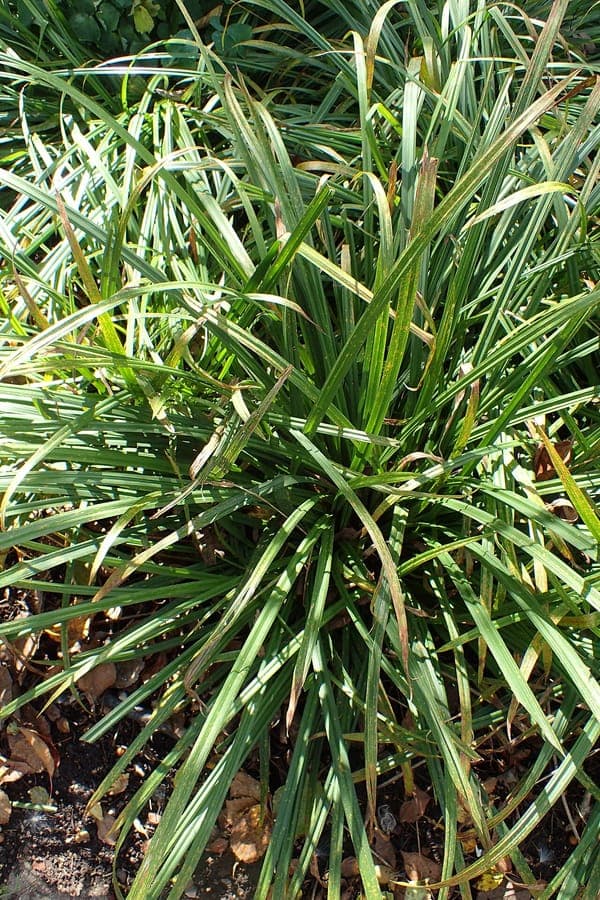
Krzysztof Ziarnek, Kenraiz / CC BY-SA 4.0, via Wikimedia Commons
Graceful sedge: complete guide
Carex gracillima
Want to see Graceful sedge: complete guide in your garden?
1 minute, no credit card
Graceful sedge stands as one of the most underrated shade plants in North American gardens. This elegant carex species offers fine texture, deep shade tolerance, and the ability to transform damp, difficult spots into lush groundcover. Whether you're looking to create a woodland garden or fill shaded edges, Carex gracillima delivers grace and resilience in equal measure.
Overview
Carex gracillima, commonly known as graceful sedge or purple-sheathed graceful sedge, belongs to the Cyperaceae family. This is a native sedge found naturally from eastern Canada through the eastern United States to North Carolina. The plant is valued for its fine, thread-like foliage that creates a delicate, feathery appearance. Unlike many sedges, graceful sedge has an almost ethereal quality, with narrow culms and slender blades that create an airy, naturalistic presence in the garden.
Appearance and Bloom
Graceful sedge forms low, dense mounds typically reaching 30-45 cm tall. The leaves are exceptionally fine, soft green, and taper delicately to a point. The plant maintains its refined texture year-round, turning a bronze-gold hue in autumn before returning to green in spring. Flowers appear in late spring (May-June) as inconspicuous, green-brown spikelets. The male flowers bloom at the stem tips, while female flowers are tucked lower, creating a subtle layered effect. While not showy, the inflorescences add a whisper of movement when caught by wind.
Ideal Location
This sedge thrives in partial to deep shade, making it ideal for north-facing borders, woodland edges, and under deciduous trees. Full sun exposure can stress the plant and cause leaf bleaching. Position graceful sedge where it receives dappled afternoon shade or consistent indirect light. The more humidity and shade, the better the plant performs. Use it as edging along shaded paths or as a groundcover beneath tall specimen trees.
Soil
Graceful sedge prefers consistently moist, well-draining soil enriched with organic matter. This plant tolerates acidic to neutral pH (5.5-7.0) and does especially well in clay-amended woodland soils. Incorporate 5-8 cm of compost or well-rotted leaf mold at planting to establish a rich rooting zone. While not demanding of fertility, the addition of organic material helps retain moisture during drier periods. This sedge shows greater vigor in humus-rich, consistently damp situations.
Free design
Want to see Graceful sedge: complete guide in your garden? Make a free design now.
Watering
Ensure consistent moisture from April through September, providing deeper watering during established growth. During hot spells, water every 5-7 days to maintain soil moisture 2-3 cm below the surface. Once established (after 1-2 seasons), graceful sedge becomes quite drought-tolerant but still performs best with regular moisture. In winter, reduce watering but never allow the soil to dry completely. This sedge is perfect for rain gardens and moist low spots where water naturally collects.
Pruning
Graceful sedge requires minimal pruning. In early spring (March-April), gently remove dead or damaged leaves by hand or with a flat rake, working carefully to avoid disturbing new growth. Do not cut back the entire plant; rather, selectively remove only dead material. The fine structure of the plant is its greatest asset, so preserve the natural form. Occasional removal of winter damage is all that's needed to keep this sedge looking pristine.
Maintenance Calendar
April: Remove dead winter foliage and apply spring feeding. May-August: Monitor soil moisture and water during dry weeks. September: Reduce watering as growth slows. October-March: Dormant period; apply mulch in harsh climates. Throughout: Enjoy the fine texture and natural beauty with minimal intervention.
Winter Hardiness
Graceful sedge is reliably hardy to USDA zone 4 (-30 degrees Celsius / -22 degrees Fahrenheit). Established plants withstand winter conditions throughout most of North America and northern Europe without protection. In zone 3 or colder, apply 5-8 cm of mulch in late autumn for extra insulation. The plant's evergreen to semi-evergreen foliage provides winter interest while offering reliable spring emergence.
Companion Plants
Graceful sedge pairs beautifully with helleborus (Lenten rose), heuchera (coral bells), asarum (wild ginger), hosta varieties, and ferns. The delicate texture contrasts dramatically with bold architectural plants like bergenia or large-leaved heuchera. Combine with spring ephemerals like trillium and bloodroot for a layered woodland display. Its neutral green acts as a calming foil in shade gardens dominated by purple or silver-toned plants.
Closing Thoughts
Carex gracillima transforms challenging shaded spaces into havens of refined texture and living movement. This sedge asks for little beyond consistent moisture and dappled shade, yet rewards with years of reliable, elegant growth. For gardeners in temperate climates seeking a native shade solution, graceful sedge is indispensable. Find Carex gracillima at garden centres and specialty nurseries. Create your dream shaded garden with expert guidance on gardenworld.app - personalized plant recommendations await.
Want to see Graceful sedge: complete guide in your garden? Make a free design now.
Upload a photo, pick a style, and get a photorealistic design with plant list in under a minute.
No credit card required


Similar plants
Flat-stemmed club-rush: complete guide
Bolboschoenus planiculmis
Everything about Bolboschoenus planiculmis: growing conditions, watering, care, and use as a pond margin or wetland plant in garden design.
Great Plains flatsedge: complete guide
Cyperus lupulinus
Everything about Great Plains flatsedge (Cyperus lupulinus): growing conditions, care, garden uses, and ecological value. Tips for pond margins and dry sandy soils.
Golden beak sedge: complete guide
Rhynchospora corymbosa
Everything about golden beak sedge (Rhynchospora corymbosa): a dramatic tropical marginal for pond edges, bog gardens, and wet habitats.