
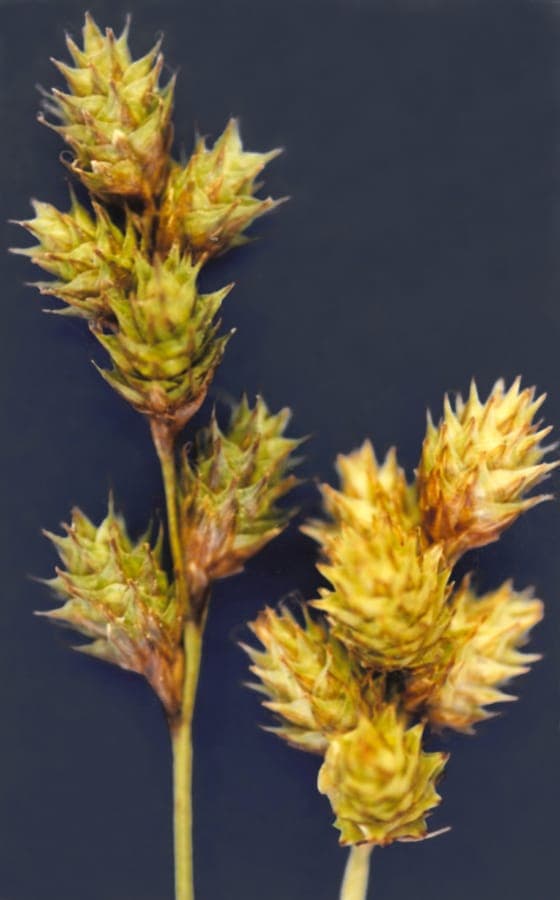
Hurd, E.G., N.L. Shaw, J. Mastrogiuseppe, L.C. Smithman, and S. Goodrich. 1998. Field guide to Intermountain sedges. General Technical Report RMS-GTR-10. USDA Forest Service, RMRS, Ogden. Courtesy of USDA FS RMRS Boise Aquatic Sciences Lab. / Public domain, via Wikimedia Commons
Carex brevior: complete guide
Carex brevior
Want to see Carex brevior: complete guide in your garden?
1 minute, no credit card
Overview
Carex brevior, commonly known as shortbeak sedge, brevior sedge, or plains oval sedge, is an elegant ornamental grass from the Cyperaceae family (sedges). This North American native grows from Canada to the US (including Mexico), demonstrating broad climate tolerance. This sedge provides gardens with fine texture and excels as a transition plant in borders and landscaping.
Appearance and Growth
Shortbeak sedge forms attractive, green rosettes typically reaching 20 to 40 centimeters in height. The plant creates dense clumps with fine leaves possessing an elegant, arching habit that displays soft movement in wind.
During the blooming period (April to May), the plant produces discrete flower stems with small flowers. These are not ornamentally showy, but biologically important for pollination. Following bloom, small, dark seeds form and mature in October.
Ideal Location
Shortbeak sedge thrives in full sun to partial shade. The plant benefits from 4 to 6 hours direct sunlight daily. In warmer climates, some midday shade helps. The plant suits woodland edges and shadowed corners where many plants struggle.
Regarding placement: group shortbeak sedge for maximum ornamental effect. Single specimens look elegant in small containers or as accent plants along pathways.
Soil
Carex brevior prefers well-draining soil but is flexible regarding pH. The plant accepts soils with pH between 5.5 and 8.0 (acidic to neutral). It tolerates moderate to dry conditions and also grows in wet soil.
Because this sedge originates from American prairies and savannas, it tolerates salts better than many plants. This makes it excellent for coastal gardens with salt spray.
Watering
Once established, shortbeak sedge tolerates drought well. During the first growing period (first year after planting), water regularly to promote root development. Once the plant establishes, reduce watering to only during extended drought (more than 3 weeks without rain).
The plant dislikes stagnant water or waterlogged soil. Ensure good drainage, especially in regions with high rainfall.
Free design
Want to see Carex brevior: complete guide in your garden? Make a free design now.
Pruning
Shortbeak sedge requires minimal pruning. Remove dead leaves in early spring (March) by gently combing out old leaf material with a low hedge trimmer at about 5 centimeters height. This encourages new growth without damage.
Most gardeners allow this plant unfettered growth, creating a full, lush appearance. Avoid strict formal clipping, as this damages the natural habit.
Maintenance Calendar
March: Clean the plant of dead leaf material.
April-May: Water after winter; monitor flowering period.
June-August: Minimal maintenance; monitor drought conditions.
September-October: Gradually reduce watering as rain increases.
November-February: Winter phase; no active maintenance needed.
Winter Hardiness
Carex brevior is excellent hardy to zone 4 (down to -30 degrees Celsius). The plant does not lose leaves and remains semi-evergreen in most regions. In severe winters, leaves may brown, but they regrow in spring from the rootstock. This makes it ideal for temperate Europe.
Special Care
This sedge is largely free from diseases and pests. Very rarely do leaf spot or rust occur, especially in humid conditions. Preventively, good maintenance and strong air circulation promote health.
The plant is toxic neither to animals nor humans. Grazing animals accept it readily, indicating it is nutritionally safe.
Companion Plants
Shortbeak sedge combines well with other prairie-like plants such as coreopsis, salvia, and native grasses like panicum. In shaded areas, it pairs with helleborus, astilbe, and liriope. In containers, it combines well with low-growing flowering plants like diascia and bacopa.
The fine texture creates beautiful contrast with broad leaves of hostas or rodgersia.
Conclusion
Carex brevior is an underestimated jewel in modern garden design. With its graceful growth habits, low maintenance requirements, and extreme hardiness, it provides years of value. Consider planting shortbeak sedge as an investment in years of garden enjoyment with minimal effort.
Want to see Carex brevior: complete guide in your garden? Make a free design now.
Upload a photo, pick a style, and get a photorealistic design with plant list in under a minute.
No credit card required


Similar plants
Flat-stemmed club-rush: complete guide
Bolboschoenus planiculmis
Everything about Bolboschoenus planiculmis: growing conditions, watering, care, and use as a pond margin or wetland plant in garden design.
Great Plains flatsedge: complete guide
Cyperus lupulinus
Everything about Great Plains flatsedge (Cyperus lupulinus): growing conditions, care, garden uses, and ecological value. Tips for pond margins and dry sandy soils.
Golden beak sedge: complete guide
Rhynchospora corymbosa
Everything about golden beak sedge (Rhynchospora corymbosa): a dramatic tropical marginal for pond edges, bog gardens, and wet habitats.