
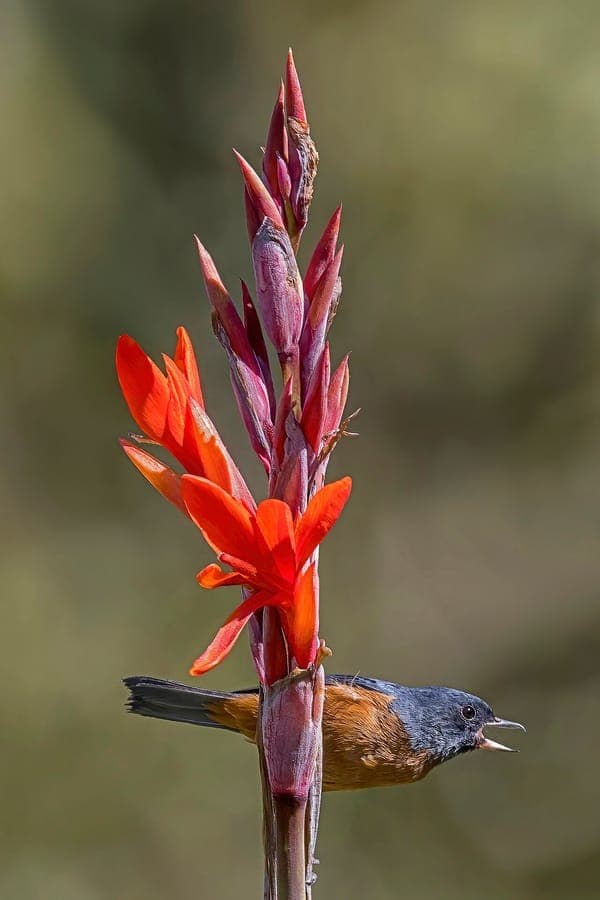
Charles J. Sharp / CC BY-SA 4.0, via Wikimedia Commons
African arrowroot: complete guide
Canna indica
Want to see African arrowroot: complete guide in your garden?
1 minute, no credit card
Overview
Canna indica, commonly known as African arrowroot, is a bold and tropical-looking herbaceous perennial native to northern and central regions of South America, including Brazil, Bolivia, and Argentina. Despite its name, it's not African, nor is it a true arrowroot - but its starchy rhizomes are edible, which explains the common name. In temperate gardens like those in the UK and US, it's grown primarily for its dramatic foliage and long summer blooms. Reaching up to 180 cm tall, it adds vertical interest and a lush, jungle-like feel to borders and patio containers.
Garden centres across the UK and US stock Canna indica rhizomes in spring, typically from March to May. It's an excellent plant for gardeners wanting to experiment with bold textures and vibrant colour without needing a greenhouse.
On gardenworld.app, you can design a full summer border that highlights Canna indica's height and bloom period, coordinating it with other late-summer performers.
Appearance & bloom cycle
Canna indica features large, paddle-shaped leaves that can reach 40 cm in length, with a deep green or bronze-purple hue depending on the cultivar. The foliage emerges in late spring and quickly forms a dense clump. From July through October, erect spikes of bright orange to scarlet flowers appear, attracting hummingbirds and bees. Each flower lasts several days, and with proper deadheading, blooming can continue for over ten weeks.
The flowers grow in clusters near the top of the stems, with individual blooms opening sequentially. The overall effect is bold and architectural - perfect for adding drama to a back border. After flowering, seed pods form, but these are often removed to redirect energy into rhizome development.
Ideal location
Full sun is non-negotiable for Canna indica. It needs at least 6–8 hours of direct sunlight daily to flower well. In partial shade, stems become weak and floppy, and flowering is sparse. Choose a south- or west-facing spot for maximum exposure.
In mixed borders, plant it toward the middle or back, depending on the height of surrounding plants. In containers, use a pot at least 40 cm wide and deep to accommodate root spread. Pair it with trailing companions like Lantana or Scaevola for a balanced look. Buy healthy rhizomes from garden centres in early spring - look for firm, plump tubers without signs of rot.
Soil requirements
Canna indica thrives in rich, moist but well-drained soil. A loamy mix enriched with compost or well-rotted manure is ideal. The plant prefers a slightly acidic to neutral pH (6.0–7.0). Heavy clay soils work if they don't stay waterlogged; sandy soils need organic matter to retain moisture.
In containers, use a high-quality potting mix with added perlite or coconut coir for better drainage and water retention. Avoid peat-heavy soils due to environmental concerns and poor rewetting ability. Test your garden soil using gardenworld.app's digital soil checker to see if it's suitable for Canna indica before planting.
Free design
Want to see African arrowroot: complete guide in your garden? Make a free design now.
Watering
Keep the soil consistently moist, especially during dry spells in summer. Young plants and newly planted rhizomes need frequent watering for the first 4–6 weeks. Water at the base to avoid wetting foliage, which can encourage fungal issues.
Containers dry out faster, so check daily in hot weather. A layer of mulch (3–5 cm of compost or bark) helps retain moisture and suppress weeds. Overwatering leads to rhizome rot, particularly in cold, compacted soils. If the top 2–3 cm of soil feels dry, it's time to water.
Pruning
Pruning is minimal. Remove spent flower stalks just above a leaf node to encourage more blooms. Cut back damaged or yellowing leaves as needed using clean shears. In autumn, after the first frost, cut all stems down to 10 cm above ground level.
Do not prune actively growing foliage unless diseased. The leaves feed the rhizome, so leave them intact as long as possible. Deadheading not only improves appearance but extends the flowering season by several weeks.
Maintenance calendar
- March: Start rhizomes indoors in pots, in a warm (18–22°C), bright spot.
- May: Plant outdoors after the last frost (typically late May in USDA zones 7–8).
- June: Begin regular watering and apply balanced liquid fertiliser every two weeks.
- July–September: Deadhead weekly. Monitor for pests like slugs and spider mites.
- October: After first frost, cut back foliage and prepare for storage.
- November–February: Store rhizomes in a cool, dry place (8–12°C) in peat-free compost or wood shavings.
Winter hardiness
Canna indica is not frost-hardy and is best treated as a tender perennial in USDA zones 7 and below. It's fully hardy in zones 8–11. In cooler climates, rhizomes must be lifted and stored indoors over winter.
To overwinter, dig up rhizomes after the foliage blackens, brush off soil, and let them dry for a few days. Store in ventilated containers with dry material. In milder areas like coastal southern England, heavy mulching (15–20 cm of straw or compost) may allow in-ground overwintering, but it's risky.
Companion plants
Pair Canna indica with plants that complement its bold form. Try tall grasses like Pennisetum, deep blue salvias, or golden-hued Rudbeckia. The contrast between its wide leaves and fine textures creates visual interest.
Avoid overcrowding - give each plant at least 40–50 cm of space. Good companions include Dahlia, Crocosmia, and ornamental sweet potato vine (Ipomoea). For a tropical container mix, combine with Colocasia and Cordyline.
Closing
Canna indica brings a touch of the tropics to temperate gardens with minimal fuss. It demands sun, steady moisture, and a good start in spring, but rewards with months of vibrant colour and lush foliage. Whether planted in a border or a large pot, it makes a statement. Use gardenworld.app to map out where it will fit best in your garden, considering height, spread, and seasonal colour. Pick up a few rhizomes from your local garden centre this spring and give your outdoor space a bold upgrade.
Want to see African arrowroot: complete guide in your garden? Make a free design now.
Upload a photo, pick a style, and get a photorealistic design with plant list in under a minute.
No credit card required


Similar plants
Acer pycnanthum: complete guide
Acer pycnanthum
Acer pycnanthum, the Japanese swamp maple, is a fast-growing tree with early red flowers and brilliant autumn color, ideal for damp garden settings.
Freeman maple: complete guide
Acer × freemanii
Everything about the Freeman maple (Acer x freemanii): a fast-growing shade tree with spectacular autumn colour for large gardens.
Silver vine: complete guide
Actinidia polygama
Discover silver vine (Actinidia polygama): a hardy climbing plant with silvery foliage, loved by gardeners and cats alike.