
Wikimedia Commons / CC BY-SA 3.0, via Wikimedia Commons
German-sesame: complete guide
Camelina sativa
Want to see German-sesame: complete guide in your garden?
1 minute, no credit card
Overview
Camelina sativa, commonly known as German-sesame, is a resilient herbaceous forb from the Brassicaceae family. Native to regions like Albania, Bulgaria, and parts of Russia and Mongolia, this plant has a long history as an oilseed crop but is now gaining attention in ornamental and ecological gardening. It's not a common sight in most home gardens yet, but its ease of growth, drought tolerance, and benefits to pollinators make it a smart choice for sustainable landscapes.
As an annual or short-lived biennial, Camelina sativa reaches maturity quickly, typically completing its life cycle within 90 to 120 days. It grows well in USDA hardiness zones 6 through 9 and thrives in full sun. While it's often grown for its seed oil-rich in omega-3 fatty acids-it also adds visual texture with its airy yellow blooms.
If you're designing a drought-resistant border or a pollinator-friendly patch, Camelina sativa fits right in. On gardenworld.app, you can generate a custom garden plan that integrates Camelina with other sun-loving, low-water plants for a cohesive, low-effort design.
Appearance & bloom cycle
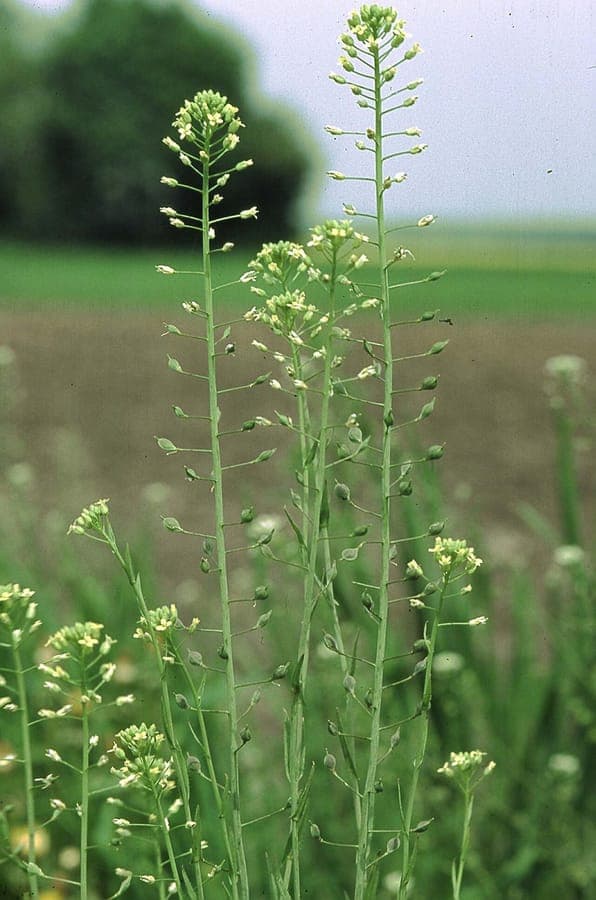
German-sesame grows 30 to 80 cm tall, with upright, branching stems covered in a fine, waxy bloom that reduces moisture loss. The leaves are narrow, lance-shaped, and gray-green, measuring 5–12 cm in length. They're arranged alternately along the stem and feel slightly rough to the touch.
From late spring to mid-summer-typically May through July-the plant produces small, bright yellow flowers. Each flower has four petals, about 1–1.5 cm across, arranged in a classic cross pattern typical of the cabbage family. After pollination, the flowers develop into rounded seed pods that mature by late summer. These pods split open to release dozens of tiny, dark brown seeds, which can self-sow if conditions are right.
The overall effect is light and airy, making Camelina an excellent filler plant in naturalistic or wildflower-style gardens.
Ideal location
Camelina sativa needs full sun-around 7 out of 10 on the light scale. Choose a spot that gets at least 6–7 hours of direct sunlight daily. It performs best in open areas with good air circulation, such as the front of a sunny border, a meadow section, or even poor-quality soil where other plants struggle.
Avoid shaded or damp corners. Insufficient light leads to leggy growth and poor flowering. This plant is perfect for xeriscaping or gravel gardens, especially in regions with hot, dry summers.
You can use gardenworld.app to map out your sunniest garden zones and plan where to place Camelina for maximum impact and seed production.
Soil requirements
This plant prefers well-drained, sandy to loamy soil with a slightly alkaline pH between 7.5 and 8.0. It struggles in heavy clay or waterlogged soils, which can cause root rot. If your soil is dense, amend it with coarse sand or compost to improve drainage.
Camelina sativa isn't a heavy feeder. In fact, too much fertilizer, especially nitrogen, can lead to excessive foliage at the expense of flowering. A light top-dressing of compost in early spring is usually sufficient. Over-fertilizing can also make the stems weak and prone to lodging.
Free design
Want to see German-sesame: complete guide in your garden? Make a free design now.
Watering
Once established, German-sesame is highly drought-tolerant. Young seedlings, however, need consistent moisture during the first few weeks after sowing. Water them once or twice a week, depending on rainfall and temperature.
Mature plants rarely need supplemental watering, except during prolonged dry spells. Overwatering increases the risk of fungal diseases and root issues. When you do water, aim for the base of the plant to keep foliage dry.
Pruning
Pruning isn't necessary for Camelina sativa. If you want to prevent self-seeding, deadhead spent flowers or cut back the stems after blooming. Alternatively, leave some plants standing to collect seeds or provide winter interest and habitat for beneficial insects.
If you're harvesting seeds, wait until the pods turn brown and begin to crack. Cut the entire stem and dry it upside down in a paper bag to catch falling seeds.
Maintenance calendar
- March–April: Sow seeds directly in prepared soil. Keep the surface moist until germination.
- May–July: Peak bloom period. Monitor for slugs and aphids on young plants.
- August: Begin seed harvest. Cut mature stems and dry in a shaded, airy space.
- September: Scatter collected seeds for next year or remove volunteers if overcrowding occurs.
- October–February: Minimal care. Leave some stems standing for winter structure and insect shelter.
Winter hardiness
Camelina sativa is hardy in zones 6–9. In milder climates, fall-sown plants may overwinter as rosettes and bloom earlier the following spring. In colder zones, treat it as an annual. Mulching isn't required, but leaving old growth in place can protect soil and support overwintering insects.
Companion plants
Pair German-sesame with other drought-tolerant, sun-loving species. Good companions include lavender, yarrow, Russian sage, and coreopsis. These combinations attract bees, hoverflies, and butterflies while suppressing weeds through ground coverage.
Avoid planting near aggressive spreaders or moisture-loving perennials like hostas or astilbes. Camelina needs space and dry feet to thrive.
Use gardenworld.app to build a planting scheme that balances bloom times, heights, and ecological function-ideal for gardeners who value both beauty and biodiversity.
Closing
Camelina sativa is a practical, attractive plant that brings multiple benefits to the garden. It's low-maintenance, supports pollinators, and offers edible seeds rich in healthy oils. With its ability to grow in poor soil and withstand dry conditions, it's a valuable addition to sustainable garden designs.
You can find Camelina sativa seeds at garden centres across the UK and US, often sold in wildflower mixes or specialty seed racks. Whether you're growing it for harvest or habitat, this unassuming plant earns its place in the modern garden. With a little planning, it can become a reliable, self-sustaining part of your seasonal rhythm.
Want to see German-sesame: complete guide in your garden? Make a free design now.
Upload a photo, pick a style, and get a photorealistic design with plant list in under a minute.
No credit card required


Similar plants
Brassica cretica: complete guide
Brassica cretica
Brassica cretica, the Cretan cabbage, grows wild on Aegean cliffs. Discover how to grow this drought-tolerant, yellow-flowered Mediterranean perennial.
Corsican cabbage: complete guide
Brassica insularis
Corsican cabbage is a rare Mediterranean rock cabbage with white flowers and blue-green leaves. Location, soil and winter protection.
Prostrate cabbage: complete guide
Brassica procumbens
Prostrate cabbage is a creeping North African cliff plant with yellow flowers. Discover location, soil type and winter protection.