
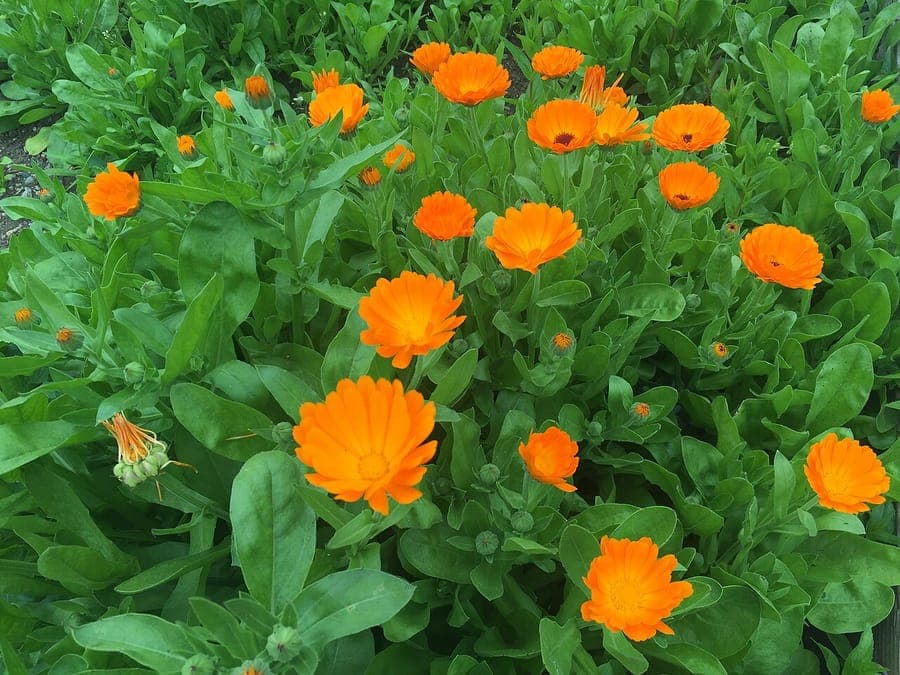
Betty Cai / CC BY-SA 4.0, via Wikimedia Commons
Calendula: complete guide
Calendula officinalis
Want to see Calendula: complete guide in your garden?
1 minute, no credit card
Overview
Calendula officinalis, commonly known as pot marigold, is a cheerful, herbaceous annual that thrives in temperate gardens across the UK and North America. Native to southern Spain, it has found a home in cottage gardens, vegetable plots, and containers thanks to its vibrant blooms and ease of care. Despite the common name, it's not related to true marigolds (Tagetes). Calendula typically grows 30 to 60 cm tall, with a spread of about 30 cm, making it ideal for front borders or mixed planters.
On gardenworld.app, you can design a seasonal garden layout that highlights calendula's bold hues alongside complementary plants for maximum visual impact.
Appearance & bloom cycle
The daisy-like flowers of calendula come in rich shades of golden yellow, deep orange, and even coppery tones. Blooms are single or semi-double, 5 to 8 cm wide, with prominent central discs. The foliage is lance-shaped, slightly fuzzy, and ranges from 5 to 15 cm in length. Calendula blooms continuously from early summer (June) through the first hard frost, often lasting into November in milder climates.
Sow seeds indoors in March or April for earlier flowering. Direct sowing outside can be done from late April to early May, once soil temperatures reach around 15°C. Deadheading spent flowers encourages prolonged blooming. Without it, the plant may slow down by mid-August.
Ideal location
Calendula thrives in full sun, scoring an 8 out of 10 on the light scale. Aim for at least 6 to 8 hours of direct sunlight daily. While it tolerates light shade, flowering will be less abundant and stems may become leggy. Choose a spot sheltered from strong winds, as the stems, though upright, can snap under pressure.
This plant works well in cottage gardens, herb beds, or as edging along pathways. It also performs beautifully in containers on patios or balconies. Its medicinal and culinary uses make it a practical choice near the kitchen door.
Soil requirements
Calendula isn't fussy about soil, as long as it's well-draining. It grows best in loamy, moderately fertile soil with a pH between 6.5 and 7.0. Avoid waterlogged conditions-soggy soil leads to root rot. If planting in heavy clay, mix in compost or coarse sand to improve drainage. In sandy soils, add organic matter to retain moisture.
Don't over-fertilize. Too much nitrogen promotes leafy growth at the expense of flowers. A light application of compost at planting time is sufficient.
Free design
Want to see Calendula: complete guide in your garden? Make a free design now.
Watering
Water regularly during dry spells, especially in containers. Calendula prefers consistent moisture but not wet feet. Water at the base when the top inch of soil feels dry-usually every 2 to 3 days in hot weather. Avoid overhead watering to prevent powdery mildew, a common issue in humid summers.
Mulching helps retain moisture and keeps roots cool. Use straw or fine bark, but keep mulch away from the stem base to prevent rot.
Pruning
Deadhead spent blooms frequently to extend flowering. Cut just above a leaf node to encourage branching. If the plant looks tired by late summer, cut it back hard to about 15 cm. With proper watering and a bit of luck, it will regrow and rebloom in autumn.
Allow a few flowers to go to seed if you want self-sowing. Calendula often reappears the following spring, though not always in the same spot or quantity.
Maintenance calendar
- March–April: Sow seeds indoors in trays or pots. Use a light seed compost.
- May–June: Harden off seedlings and transplant outdoors after last frost. Space 25–30 cm apart.
- July–August: Water during dry periods, deadhead weekly, watch for aphids and slugs.
- September–October: Cut back if needed, collect seeds, or let them self-sow.
- November: Remove dead plants or leave some standing for overwintering insects.
With gardenworld.app, you can generate a custom maintenance calendar tailored to your garden's zone and conditions.
Winter hardiness
Calendula is a true annual in most temperate zones (USDA 7–8). It doesn't survive freezing temperatures below -3°C. In mild winters, a few plants may linger, but they rarely flower again. Self-sown seedlings often emerge in spring, especially in protected spots.
For earlier blooms, start seeds indoors in late winter. Use biodegradable pots to reduce root disturbance when transplanting.
Companion plants
Calendula is a fantastic companion in the vegetable garden. It attracts pollinators like bees and hoverflies while deterring nematodes in the soil. Plant it near tomatoes, carrots, and beans to improve overall garden health.
It pairs well with herbs like thyme, rosemary, and sage. Combine with lavender for colour contrast, or with cosmos and zinnias for a cottage-garden feel. Avoid planting too close to heavy feeders like pumpkins or squash, which may outcompete it.
Closing
Calendula is a reliable, low-effort plant that rewards gardeners with months of colour and practical benefits. Its edible petals add zest to salads, and dried flowers are used in skincare products. Whether you're a beginner or a seasoned grower, calendula earns its place in any garden.
Available at garden centres across the UK, including local independents and chains, as seeds or young plants in spring.
Want to see Calendula: complete guide in your garden? Make a free design now.
Upload a photo, pick a style, and get a photorealistic design with plant list in under a minute.
No credit card required


Similar plants
Calendula stellata: complete guide
Calendula stellata
Complete guide to Calendula stellata, the star-flowered marigold from Sicily: location, soil, watering and companion planting tips.
Korean chrysanthemum: complete guide
Chrysanthemum x rubellum
Chrysanthemum x rubellum is a hardy autumn perennial with single pink to copper flowers from August to November. Care and combinations.
Helianthus divaricatus: complete guide
Helianthus divaricatus
Helianthus divaricatus is a North American woodland sunflower with yellow summer blooms, ideal for naturalistic borders and shady edges.