
Franz Xaver / CC BY-SA 3.0, via Wikimedia Commons
Byrsonima crassifolia: complete guide
Byrsonima crassifolia
Want to see Byrsonima crassifolia: complete guide in your garden?
1 minute, no credit card
Overview
Byrsonima crassifolia, commonly known as nance or golden spoon, is a fascinating tropical fruit tree native to Central and South America. This tree is renowned for its small, golden-yellow fruits (nances) that taste like pear and pineapple, and its golden flowers. The tree also has traditional medicinal applications and is used in many tropical countries for both nutrition and medicine.
The nance tree is a medium-sized tree reaching 6 to 10 meters in height. In its natural habitat, it grows in savannas and open forests. The tree has compact growth and can be used in smaller gardens if you have sufficient warmth.
Appearance and Bloom
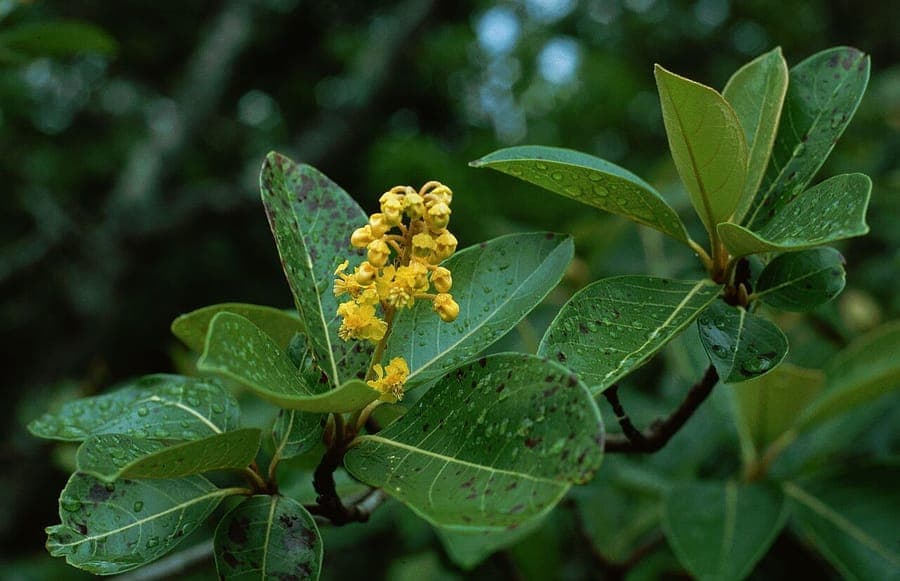
Byrsonima crassifolia grows as a medium-sized tree with a broad, dense crown. The leaves are elongated and dark green with a leathery texture. The tree flowers abundantly, producing large clusters of small, golden to orange-yellow flowers. The flowers are highly fragrant and attract bees and birds.
After flowering, characteristic nance berries form. These measure approximately 1-2 centimeters in diameter, golden-yellow in color, with a hard pit. The taste is unique: a blend of pear, pineapple, and vanilla. The berries gradually ripen to yellow and then fall from the tree.
Ideal Location
The nance tree demands full sun for good growth and abundant fruit production. Plant it in a location with at least 6-8 hours of direct sunlight daily. The tree grows best in warm, tropical, and subtropical climates. In temperate regions, it can only grow outdoors in very warm areas, or it must be grown in a greenhouse.
Provide protection from strong winds, which can damage foliage. A somewhat sheltered location is therefore recommended.
Soil
The nance tree requires nutrient-rich, well-draining soil with pH between 6.0 and 7.0. A mixture of garden soil, compost, and sand is ideal. The tree tolerates drought reasonably well once established but grows better with regular moisture. Add organic material regularly to improve soil quality.
Avoid heavy, wet clay soils that can lead to root rot.
Free design
Want to see Byrsonima crassifolia: complete guide in your garden? Make a free design now.
Watering
During the growing season (May to October), water regularly to keep the soil evenly moist. The tree tolerates some drought but grows better with regular watering. Ensure the soil doesn't become waterlogged; deep watering once weekly is usually sufficient.
During winter, when the tree is less active, you can reduce watering. Young trees need more water than mature specimens.
Pruning
The nance tree grows naturally in a fine form and requires little pruning. Only remove dead branches and crossing branches. Some gardeners prune the tree after harvest to maintain shape and encourage new fruit-bearing branches.
Avoid heavy pruning, as this can slow fruit production.
Maintenance Calendar
March/April: Check for pests. Position in full sun. Begin feeding.
May to October: Water regularly. Feed monthly. Harvest ripe nances.
November/December: Reduce feeding. Prepare for winter dormancy.
January to February: Minimal care. Check health.
Winter Hardiness
The nance tree is not winter hardy in temperate climates. It grows optimally in tropical and subtropical zones USDA 10b to 11. In cooler areas, it can be grown in a greenhouse. Maintain minimum temperatures of 10 degrees Celsius, though 15-20 degrees is much better for growth.
Companion Plants
The nance tree combines well with other tropical fruit trees such as mango, avocado, and calamansi. In a tropical garden, the golden nance flowers create a beautiful color accent. The tree attracts many birds and insects, making it good for biodiversity.
Conclusion
The nance tree is a unique and nutritious addition to warm gardens. The golden nance berries are delicious fresh from the tree and also have medicinal value. Seek out this exotic tree from specialized nurseries or discover gardenworld.app for tropical garden designs.
Want to see Byrsonima crassifolia: complete guide in your garden? Make a free design now.
Upload a photo, pick a style, and get a photorealistic design with plant list in under a minute.
No credit card required


Similar plants
Peanut butter fruit: complete guide
Bunchosia glandulifera
Full guide to Bunchosia glandulifera, the peanut butter fruit shrub: care, siting, fruiting, overwintering in pots, and tropical garden companions.
Banisteriopsis caapi: complete guide
Banisteriopsis caapi
Banisteriopsis caapi is a tropical ornamental climber from South America with attractive yellow flowers. Learn how to grow this exotic plant in warm climates.
Acerola cherry: complete guide
Malpighia emarginata
Grow your own acerola cherry tree with this practical guide covering planting, care, and harvesting tips.