
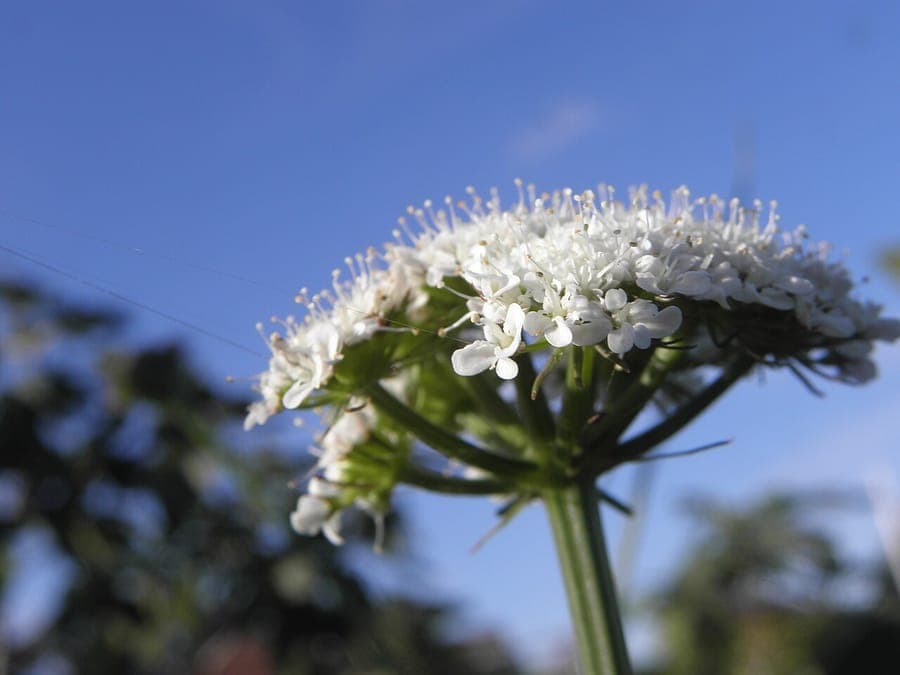
Rob Hille / CC BY-SA 3.0, via Wikimedia Commons
Black zira: complete guide
Bunium bulbocastanum
Want to see Black zira: complete guide in your garden?
1 minute, no credit card
Overview
Black zira, or Bunium bulbocastanum, is a resilient yet underappreciated herbaceous perennial native to southern and western Europe. Found naturally in dry grasslands, rocky slopes, and along footpaths in regions like the Balearic Islands, southern France, Italy, and scattered sites across the UK and Belgium, this plant thrives in low-fertility soils and full sun. It's part of the Apiaceae family, related to carrots and parsley, but stands out for its small tuberous root-earning it the nickname 'earth chestnut'-and its ecological value.
Once established, black zira spreads gently by seed but never becomes invasive. It's a reliable nectar source for hoverflies, solitary bees, and small butterflies. If you're designing a low-maintenance, wildlife-friendly garden, this plant deserves a spot. On gardenworld.app you can create a custom garden layout that integrates black zira into sunny, dry zones where few others thrive.
Appearance & bloom cycle
Black zira grows 30 to 50 cm tall, with delicate, feathery foliage resembling dill or fennel. From June to July, it produces small, white umbel flowers-typical of the carrot family-each cluster about 3–5 cm across. The blooms are airy and light, adding subtle texture to borders.
The flowering period lasts four to six weeks, depending on summer conditions. After blooming, seeds form and drop in late summer, naturally reseeding in suitable spots. The plant dies back completely in autumn and overwinters as a tuber, resprouting in spring from the same rootstock.
Ideal location
This plant needs at least 7 hours of direct sunlight per day-rate it a 7/10 on the light scale. Choose open, unshaded areas: dry borders, gravel gardens, or between paving stones. Avoid shady or damp corners, as poor drainage leads to root rot.
Because black zira disappears in winter, pair it with late-emerging perennials like Echinacea or Nepeta to maintain visual continuity. On gardenworld.app, you can design seasonal plant combinations that ensure your garden looks balanced year-round, even when black zira is dormant.
Soil requirements
Well-drained soil is non-negotiable. Black zira prefers sandy, chalky, or loamy soils with a pH between 7.5 and 8.0. If your garden has heavy clay, amend the planting hole with sharp sand or fine gravel to improve drainage. Avoid rich, moisture-retentive soils-excess fertility promotes leaf growth at the expense of flowers.
It naturally grows on limestone outcrops, so if you're in a region with calcareous subsoil-like southern England or northern France-this plant will perform exceptionally well.
Free design
Want to see Black zira: complete guide in your garden? Make a free design now.
Watering
Water newly planted specimens regularly for the first few weeks to help root establishment. Once settled, black zira is highly drought-tolerant. Established plants rarely need supplemental watering, even during dry summers.
For first-year plants, water only during prolonged droughts-deep but infrequent watering encourages deep root development. Never waterlog the soil; soggy conditions are the fastest way to kill this plant.
Pruning
No pruning is required. However, you can deadhead spent flower heads if you want to limit self-seeding. Young seedlings pop up easily in spring and can be transplanted or removed. Let some plants set seed to support local pollinators and ensure future generations.
This species isn't aggressive, so light management is all it needs.
Maintenance calendar
- Jan: Dormant, no action needed
- Feb: Still dormant, monitor for early thaws
- Mar: Check for new growth
- Apr: Loosen soil gently around emerging shoots
- May: Prepare for blooming, avoid fertilizing
- Jun: Bloom begins, inspect for pests
- Jul: Peak flowering, ideal time for garden photos on gardenworld.app
- Aug: Seeds mature, consider deadheading
- Sep: Seedlings may appear, assess spread
- Oct: Allow natural reseeding
- Nov: Foliage dies back, leave in place
- Dec: Full dormancy, tuber survives underground
Winter hardiness
Black zira is hardy in USDA zones 6 to 9. It survives cold winters without mulch, provided the soil drains well. In areas with heavy, waterlogged clay, consider raised beds or gravel mounds to prevent tuber rot.
Avoid disturbing the soil in winter-digging can damage the dormant tuber. Let nature take its course.
Companion plants
Pair black zira with drought-tolerant companions: Thymus vulgaris, Achillea millefolium, Origanum, and Sedum spectabile. It contrasts beautifully with fine grasses like Deschampsia or Stipa. Avoid vigorous spreaders like mint or ground ivy that could outcompete it.
Plant in groups of 5–7 for best visual impact. You'll often find these combinations in curated plant lists on gardenworld.app.
Closing
Black zira is a low-key powerhouse in the garden. It asks for little-full sun, sharp drainage, no pampering-and gives back with blooms, pollinators, and natural charm. You can find it at garden centres in spring, especially those focusing on native or wildlife-friendly plants. Look for true Bunium bulbocastanum, not similar-looking but less hardy relatives.
If you're tired of high-maintenance perennials, give black zira a try. And remember: on gardenworld.app you can map out your entire planting scheme, calculate spacing, and simulate seasonal changes before buying a single plant.
Want to see Black zira: complete guide in your garden? Make a free design now.
Upload a photo, pick a style, and get a photorealistic design with plant list in under a minute.
No credit card required


Similar plants
Whorled carrot: complete guide
Daucus involucratus
Daucus involucratus is a Mediterranean umbellifer with white flower heads framed by lacy bracts. Growing this gravel garden gem.
Daucus muricatus: complete guide
Daucus muricatus
Daucus muricatus, the spiny wild carrot, grows wild on Mediterranean coasts. Discover sowing, June-July bloom, and wildflower meadow use.
Daucus pumilus: complete guide
Daucus pumilus
Daucus pumilus is a dwarf wild carrot relative with white lacy umbels, thriving on dunes and coastal rock in poor, fast-draining soil.