
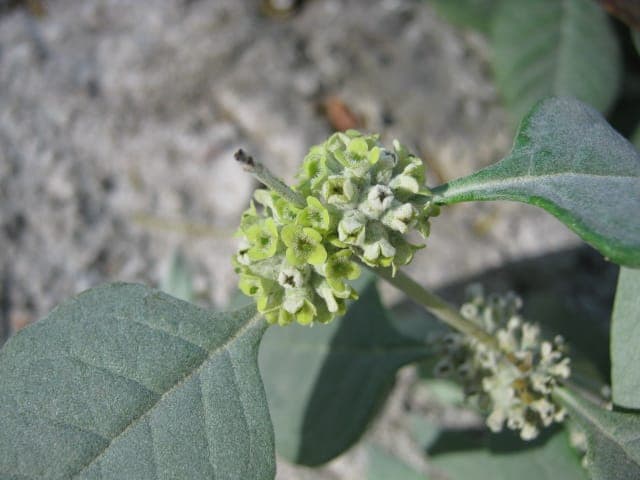
Tyrrhium / CC BY 2.0, via Wikimedia Commons
Rio Grande butterfly-bush: complete guide
Buddleja sessiliflora
Want to see Rio Grande butterfly-bush: complete guide in your garden?
1 minute, no credit card
Overview
The Rio Grande butterfly-bush (Buddleja sessiliflora) is a fascinating shrub native to southwestern America and Mexico. This plant is known for its distinctive, densely packed flower spikes ranging from golden yellow to warm orange. In gardens, it is an excellent choice for dry, sunny locations where minimal maintenance is desired. The plant grows rapidly and can develop into an impressive shrub within a few years, attracting numerous pollinators.
Appearance and Bloom
The Rio Grande butterfly-bush grows into a broad, upright shrub, typically reaching 1.5 to 2.5 meters in height. The leaves are lanceolate, grayish-green, giving the plant a subtle, natural appearance. The flowers appear in striking, stiffly upright panicles that form at the tips of young branches. These flower spikes are pleasantly fragrant and attract butterflies, bees, and hummingbirds in abundance.
The blooming period extends from late spring through deep summer, providing the plant with extended decorative value. Flower colors range from soft yellow to more intense golden-orange, depending on specific growing conditions.
Ideal Location
The Rio Grande butterfly-bush is a sun-lover and thrives best in locations receiving at least six to eight hours of direct sunlight daily. The plant tolerates partial shade but will bloom less prolifically in shadier conditions. Ensure the location is well-ventilated, as this helps prevent moisture-related issues.
This shrub is particularly suited for warm, dry locations, such as south or west-facing aspects of your property. It also tolerates windy situations, making it an excellent choice for gardens at elevation or along exposed boundaries.
Soil
The Rio Grande butterfly-bush is highly tolerant regarding soil type. It grows well in sandy, well-draining soils and thrives in poor substrates. Heavier soils can work, provided drainage is adequate. The plant strongly prefers well-drained earth and performs poorly in waterlogged conditions.
A light application of organic matter during planting can be beneficial, though excessive fertilization can promote foliage at the expense of flowers. Maintain neutral to slightly acidic soil pH.
Watering
When newly planted, the shrub requires regular watering until well-established. Once established, the Rio Grande butterfly-bush is highly drought-tolerant. In normal growing seasons, rainfall and routine soil moisture are typically sufficient.
During dry spells, supplemental watering is beneficial, especially when the plant is heavily flowering. Ensure water drains away and the plant never sits in standing water. Minimal watering is needed in winter.
Free design
Want to see Rio Grande butterfly-bush: complete guide in your garden? Make a free design now.
Pruning
The Rio Grande butterfly-bush responds well to pruning, which stimulates form and growth. The best time to prune is in early spring before new growth emerges. Remove deadwood and crossing branches to keep the plant open and healthy.
Thinning out or cutting back severely can enhance flowering abundance. Always work with sharp tools and disinfect equipment between cuts to prevent disease spread.
Maintenance Calendar
Spring: Plant new specimens and prune to shape. Early spring is ideal for applying dormant oil spray as a preventive measure.
Summer: Water regularly during dry periods. Monitor for pests and diseases. Deadhead spent flowers to encourage longer blooming (though not essential).
Autumn: Gradually reduce watering. The plant begins preparing for dormancy.
Winter: Minimal care is needed. The plant is dormant and requires very little water. In milder climates, pruning can occur in late winter.
Winter Hardiness
The Rio Grande butterfly-bush has moderate cold hardiness. It tolerates temperatures down to approximately -5 to -10 degrees Celsius in most regions, though prolonged freezing can be problematic. In colder climates, winter protection may be beneficial, particularly in the first years after planting.
In warm climates, the plant grows as a semi-evergreen or even evergreen shrub. In colder areas, winter damage may occur, but the plant typically regrows from the rootstock.
Companion Plants
The Rio Grande butterfly-bush combines well with other drought-tolerant plants such as lavender, sage, and stiff sedge. Sun-lovers like golden Fremontodendron form good neighbors. Low groundcovers such as Sedum or Delosperma help reduce water consumption.
Supportive shrubs like Ilex crenata or Pittosporum can serve as green backdrops. For color combinations, try purple bloomers like Salvia nemorosa.
Closing Thoughts
The Rio Grande butterfly-bush is a valuable addition to dry, sunny gardens. With its rapid growth, extended blooming, and low maintenance requirements, it offers excellent returns on investment. Local garden centers and retailers like specialized plant nurseries often stock this species. Visit gardenworld.app for additional inspiration on how to integrate this beautiful shrub into your front garden. Discover more complementary plant species on gardenworld.app.
Want to see Rio Grande butterfly-bush: complete guide in your garden? Make a free design now.
Upload a photo, pick a style, and get a photorealistic design with plant list in under a minute.
No credit card required


Similar plants
Naio: complete guide
Myoporum sandwicense
All about naio or bastard sandalwood (Myoporum sandwicense): a Hawaiian coastal tree, its uses, cultivation, and role as a tough windbreak in mild gardens.
Oriental Mullein: complete guide
Verbascum orientale
Complete guide to Oriental Mullein (Verbascum orientale): placement, soil, watering, pruning and garden design tips.
Buddleja marrubiifolia: complete guide
Buddleja marrubiifolia
Woolly butterfly-bush from Texas and Mexico. Shrub with soft, hairy leaves and orange-red flowers. Hardy to -5C. Blooms summer-fall. Drought-tolerant and low-maintenance plant.