
Wouter Hagens / Public domain, via Wikimedia Commons
Alternate-leaf butterfly-bush: complete guide
Buddleja alternifolia
Want to see Alternate-leaf butterfly-bush: complete guide in your garden?
1 minute, no credit card
Overview
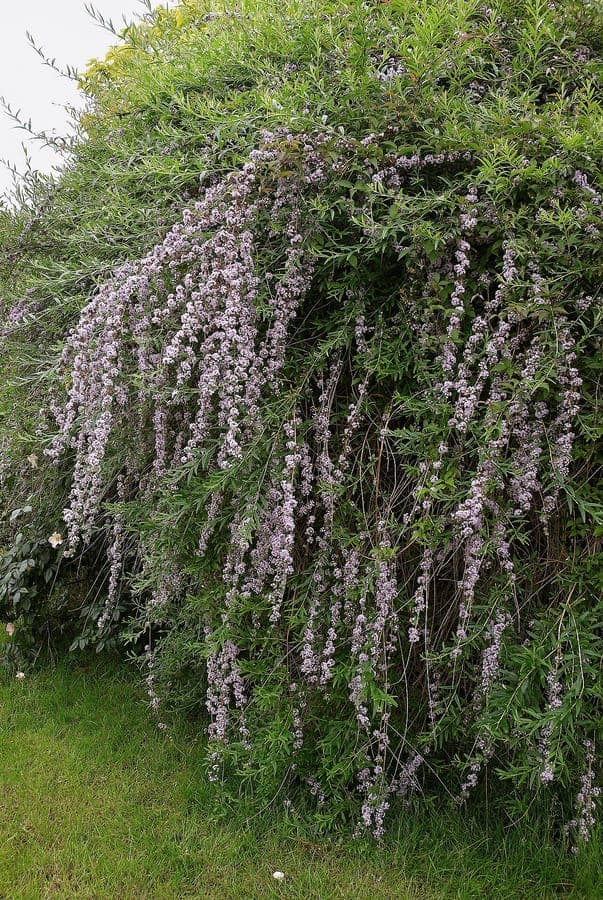
Buddleja alternifolia isn't the flashy cousin you see in every garden centre - and that's exactly why it deserves a spot in yours. Native to the rocky slopes of central and western China, this graceful shrub or small tree brings a different kind of elegance to the landscape. It grows up to 4 meters tall with a weeping habit, making it ideal for softening walls or anchoring a mixed border. Unlike the more common B. davidii, it blooms on old wood, so timing your care right is key. If you're after a butterfly magnet with structure and subtle charm, this is your plant.
On gardenworld.app, you can visualise how this arching shrub fits into your garden layout, especially when planning for mature spread and seasonal flow.
Appearance & bloom cycle
What sets this plant apart is its alternate leaf arrangement - rare in the Buddleja genus. The narrow, grey-green leaves line the stems in a spiral, giving it a fine-textured look. Come May to June, the plant bursts into clusters of soft pink to lavender flowers, each 5–8 cm long, blooming directly from last year's wood. The scent is mild, honey-like, just enough to lure in day-flying butterflies and hawkmoths.
You'll start seeing whites, sulphurs, and even peacocks hovering around mid-June. The bloom period lasts about four weeks, which is solid for a once-blooming shrub. After flowering, seed cones remain but don't add much visual impact. Still, the weeping form offers winter interest, especially when dusted with frost.
Ideal location
Full sun is non-negotiable - aim for at least 6 hours of direct light daily. Partial shade leads to sparse flowering and leggy growth. This plant thrives in hot, dry spots where others struggle, making it a solid pick for urban gardens or south-facing borders.
Give it breathing room: plant at least 1.5 meters from walls or neighbouring shrubs. The arching branches need space to drape naturally. Avoid exposed, windy sites - strong gusts can snap young stems, especially in spring. A sheltered corner near a heat-retaining wall (brick or stone) boosts performance in cooler regions.
Soil requirements
Well-drained soil is critical. Heavy clay or waterlogged ground leads to root rot, particularly in winter. Improve drainage by mixing in horticultural grit or coarse sand (1:3 ratio). Sandy soils work well but may need annual compost to retain nutrients.
pH tolerance is broad - from slightly acidic to slightly alkaline (6.0–7.5). Avoid highly acidic peat soils or saline coastal mixes. If unsure, test your soil - kits are available at most garden centres.
Free design
Want to see Alternate-leaf butterfly-bush: complete guide in your garden? Make a free design now.
Watering
In the first growing season, water weekly - about 10 litres per plant, especially during dry spells. After that, it's highly drought-tolerant. Only water during prolonged dry periods (3+ weeks without rain). Use rainwater if possible; this plant dislikes hard, chlorinated tap water.
Water at the base to avoid wetting foliage. A 5 cm mulch layer of bark chips helps retain moisture and suppress weeds. Replenish mulch in spring.
Pruning
Since it flowers on old wood, pruning in spring removes potential blooms. Wait until right after flowering - late June to early July. Remove only dead, damaged, or crossing branches. If needed, shorten overly long stems to a strong lateral bud, but avoid heavy cutting.
For older plants (8+ years), try renewal pruning: cut one or two old main stems to ground level to encourage fresh growth. Use clean, sharp secateurs to prevent disease spread. Never shear this plant - its beauty lies in its natural form.
Maintenance calendar
- Jan: inspect for winter damage, remove broken stems
- Feb: no action needed
- Mar: check root zone, apply light fertiliser if soil is poor
- Apr: watch for new growth, protect from late frosts
- May: bloom begins, monitor for drought stress
- Jun: peak flowering, start pruning after bloom
- Jul: finish pruning, apply mulch if needed
- Aug: minimal care, check for aphids or mildew
- Sep: final watering during dry spells
- Oct: leaf drop, structure becomes visible
- Nov: protect young plants from frost
- Dec: winter inspection, avoid pruning
Use gardenworld.app to generate a custom maintenance schedule based on your local climate and planting date.
Winter hardiness
Hardy in USDA zones 6–9 (-20.5°C to -1°C). In most of the UK and northern US, it survives winter with no issues. Young plants (first 2 years) may need winter protection - wrap the base with burlap or hessian, or use a layer of bracken.
In harsh winters with repeated freeze-thaw cycles, top growth may die back, but it usually resprouts from the base in spring. Patience is key - wait until late April to assess damage.
Companion plants
Pair with late spring bloomers like Allium giganteum or Papaver orientale to bridge the gap before Buddleja's June show. Underplant with airy Gaura lindheimeri or drought-tolerant Eryngium for texture contrast. For structure, try Salix caprea 'Pendula' or compact Cornus varieties.
Avoid aggressive groundcovers like Lysimachia nummularia - they'll compete for water and nutrients. Stick to mulch or low-growers like Ajuga reptans.
Closing
Buddleja alternifolia is a quiet achiever - not loud, not invasive, but deeply rewarding. Its weeping form, early bloom time, and butterfly appeal make it a standout for low-maintenance, wildlife-friendly gardens. It's not always in stock at every garden centre, so call ahead or order in. Look for healthy, well-rooted plants at local garden centres, and plant in autumn or early spring for best results.
Want to see Alternate-leaf butterfly-bush: complete guide in your garden? Make a free design now.
Upload a photo, pick a style, and get a photorealistic design with plant list in under a minute.
No credit card required


Similar plants
Naio: complete guide
Myoporum sandwicense
All about naio or bastard sandalwood (Myoporum sandwicense): a Hawaiian coastal tree, its uses, cultivation, and role as a tough windbreak in mild gardens.
Oriental Mullein: complete guide
Verbascum orientale
Complete guide to Oriental Mullein (Verbascum orientale): placement, soil, watering, pruning and garden design tips.
Buddleja marrubiifolia: complete guide
Buddleja marrubiifolia
Woolly butterfly-bush from Texas and Mexico. Shrub with soft, hairy leaves and orange-red flowers. Hardy to -5C. Blooms summer-fall. Drought-tolerant and low-maintenance plant.