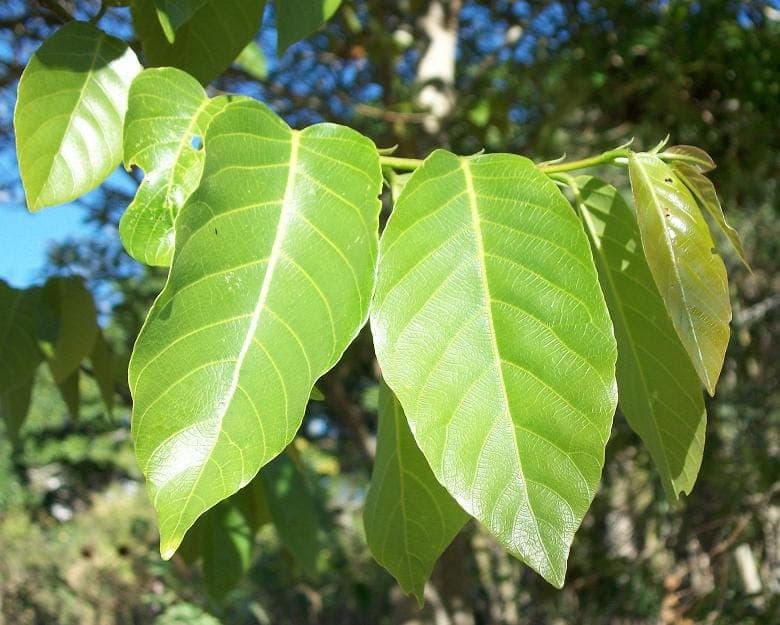
Purves, M. / CC BY-SA 3.0, via Wikimedia Commons
Bridelia micrantha: complete guide
Bridelia micrantha
Want to see Bridelia micrantha: complete guide in your garden?
Full design in HD: €7.99
Look after your Bridelia micrantha with the GardenWorld app
Identify plants with your camera and get a care calendar with reminders for this plant.


Overview
Bridelia micrantha, known as Mitzeeria or brown stinkwood, is a native African shrub from tropical and subtropical Africa. This Phyllanthaceae family member reaches 2-6 meters tall. It provides bird food and supports local ecosystems with its sheltering branch structure and small fruits.
Appearance and bloom
The plant displays small, elliptical, dark green leaves arranged along the stems. The flowers are small and inconspicuous, white to greenish. These are followed by small red berries highly attractive to birds. The bark is dark brown, nearly black, from which the name brown stinkwood derives.
Ideal location
Select sunny to partially shaded locations for Bridelia micrantha. The plant thrives with at least 4-6 hours of sunlight daily. In tropical climates, it performs excellently. However, it is also possible in temperate climates with protection.
Soil
Well-draining soil is preferred. The plant tolerates various soils well, from acidic to neutral. Heavy clay soils should be amended with organic matter. A mulch layer helps maintain moisture content.
Watering
Water regularly during the first growing year until the plant is deeply established. Afterward, it is fairly drought-tolerant. In very dry periods, supplemental water may be beneficial. The plant prefers moderate moisture.
Free preview
Want to see Bridelia micrantha: complete guide in your garden? Make a free preview of your design.
Pruning
Pruning is not essential, but form is maintained by light pruning after the blooming period. Remove dead wood and overlapping branches to maintain shape. This also encourages denser growth.
Maintenance calendar
May: Growth begins rapidly. July: Monitor water needs. October: Flowers appear. November: Fruits form. December: Bird food available. January: Light pruning possible.
Winter hardiness
Bridelia micrantha is frost-sensitive and grows best in USDA zones 9-11. In cooler areas, frost protection is needed. In very cold climates, container growing with indoor wintering works well.
Companion plants
Combine with other African native plants like Ziziphus mucronata and Combretum apiculatum. These combinations create ecologically valuable garden ecosystems supporting native birds and insects.
Closing thoughts
Bridelia micrantha is a valuable native plant for tropical and subtropical gardens. With its small fruits providing bird food and sheltering growth habit, it is essential for sustainable garden design. It has also been traditionally used in medicine.
Frequently asked questions about Bridelia micrantha
Is Bridelia micrantha winter hardy?
Bridelia micrantha is frost-sensitive and grows best in USDA zones 9-11. In cooler areas, frost protection is needed.
When and how do you prune Bridelia micrantha?
Pruning is not essential, but form is maintained by light pruning after the blooming period. Remove dead wood and overlapping branches to maintain shape.
How much water does Bridelia micrantha need?
Water regularly during the first growing year until the plant is deeply established. Afterward, it is fairly drought-tolerant.
Where does Bridelia micrantha grow best?
Select sunny to partially shaded locations for Bridelia micrantha. The plant thrives with at least 4-6 hours of sunlight daily.
What soil does Bridelia micrantha need?
Well-draining soil is preferred. The plant tolerates various soils well, from acidic to neutral.

See it in your garden
See Bridelia micrantha in your garden
One photo of your garden and a few questions. You see the result in about a minute.
Try it with a photoIdentify this plant in your own garden. Identify a plant
Similar plants
Breynia disticha: complete guide
Breynia disticha
Discover the Snowbush: a frost-sensitive houseplant with stunning red-white foliage. Perfect growing guide for terrariums.
Flueggea leucopyrus: complete guide
Flueggea leucopyrus
Discover the Spinous flueggea, a robust shrub with sharp thorns from tropical regions. Perfect for dry gardens and demanding conditions.
Andrachne telephioides: complete guide
Andrachne telephioides L.
Mediterranean andrachne, elegant shrubby plant for dry rocky banks with fine leaves and bird seed. Hardy and low-maintenance for arid gardens.
