
Walther Otto Müller / Public domain, via Wikimedia Commons
India mustard: complete guide
Brassica juncea
Want to see India mustard: complete guide in your garden?
1 minute, no credit card
Overview
India mustard (Brassica juncea) is a fast-growing, leafy green that's earned its place in both vegetable gardens and ornamental beds. Native to the North Caucasus and Transcaucasus regions, this member of the Brassicaceae family thrives in temperate climates and adapts well to various growing conditions. Gardeners love it not only for its peppery, slightly spicy leaves but also for its ability to suppress weeds, enrich soil, and attract beneficial insects.
Unlike many slower-growing brassicas, India mustard matures quickly-often ready for harvest in just 30 to 45 days. It's perfect for succession planting, filling gaps between slower crops, or growing in containers on patios. Whether you're after fresh salad greens, cooking greens, or a quick ground cover, this plant delivers. On gardenworld.app, you can design a layout that maximizes sun exposure and spacing for India mustard, ensuring healthy growth and minimal competition.
Appearance & bloom cycle
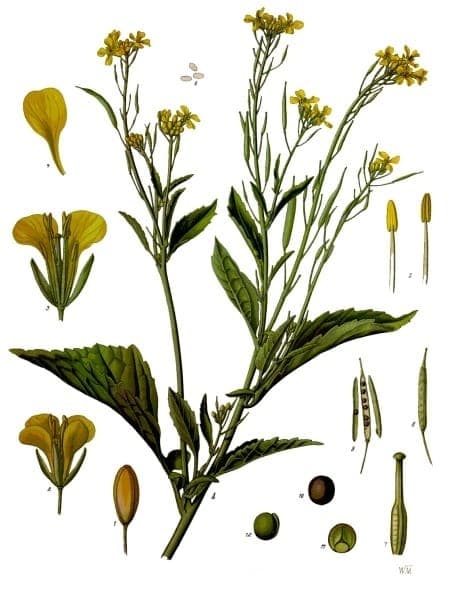
This herbaceous forb typically reaches 30 to 80 cm in height, depending on variety and growing conditions. The leaves are deeply lobed, frilly, and range from bright green to deep purple, especially in cultivars like 'Red Giant' or 'Southern Giant Curled'. Young leaves are tender and mild, ideal for salads, while mature leaves become more pungent-perfect for stir-fries or sautéing.
From June through August, India mustard produces small yellow cruciferous flowers. These bloom for about three weeks and are highly attractive to bees, hoverflies, and other pollinators. If you're growing for leaves, pinch off flower stalks early to prolong vegetative growth. Allowing a few plants to bolt can provide seed for the next season and add visual interest to your garden.
Ideal location
India mustard thrives in full sun to light shade, scoring an 8 on the light scale (1–10). Aim for 6 to 10 hours of direct sunlight daily. In hotter regions, afternoon shade helps prevent leaf scorch. It grows well in in-ground beds, raised beds, or containers as small as 25 cm in diameter.
Space plants 20x20 cm apart for standard varieties, or 30 cm for larger types. Wind protection is beneficial, especially for young seedlings, which can be damaged by strong gusts. Use low fencing or companion plants like chives or leeks to create a natural windbreak. Plan your layout with precision using gardenworld.app, where you can simulate sun patterns and wind exposure to find the best spot.
Soil requirements
Ideal soil pH ranges from 6.0 to 7.2. Avoid acidic or waterlogged soils. India mustard prefers well-draining, loamy or sandy loam soils rich in organic matter. Before planting, work in 2–3 kg/m² of well-rotted compost or aged manure.
Soil temperature should be at least 10°C for germination. Sow seeds directly from mid-April to late August, depending on your USDA hardiness zone (zones 5–9). Germination takes 4–8 days at 18–22°C. Use a fine seed-starting mix to avoid crusting and ensure good seed-to-soil contact.
Free design
Want to see India mustard: complete guide in your garden? Make a free design now.
Watering
This plant has moderate to high water needs. Keep soil consistently moist but not soggy-overwatering leads to root rot. Water 2–3 times per week, increasing frequency during dry spells. Early morning or late evening watering reduces evaporation.
Mulch with 5–7.5 cm of straw or wood chips to retain moisture and suppress weeds. Rainwater is preferred over tap water, which can be high in chlorine and lime, potentially affecting sensitive leaf development.
Pruning
Pruning isn't needed for shaping, but regular harvesting acts as a form of pruning. Start picking outer leaves when plants are 15–20 cm tall. Leave the central growing point intact to encourage continuous production. You can harvest multiple times from a single plant.
If flowering begins, remove flower stalks to extend leaf yield. For seed saving, allow a few plants to fully mature. Harvest seed pods in autumn when they turn brown and dry.
Maintenance calendar
- March: Start seeds indoors or in a greenhouse (e.g., 'Red Ruby')
- April: Direct sow in garden, thin to 20 cm spacing
- May: Thin seedlings, apply liquid seaweed feed
- June: Begin harvesting young leaves, watch for aphids
- July: Continue harvest, increase watering in heat
- August: Final sowing for autumn crop
- September: Collect seeds from bolted plants
- October: Clear spent plants, compost residues
Winter hardiness
India mustard is an annual with limited frost tolerance. It can survive light frosts down to -3°C, but prolonged freezing or temperatures below -5°C will kill it. Use row covers or fleece to extend the season in fall. For winter greens, consider hardier brassicas like kale or winter cabbage.
Companion plants
Excellent companions include onions, leeks, cucumbers, and celery-plants that deter pests or improve soil health. Avoid planting near tomatoes, strawberries, or nightshades, which attract similar pests.
Interplant with aromatic herbs like dill, chamomile, or fennel to repel aphids and cabbage white butterflies. A border of nasturtiums can also act as a trap crop, luring pests away from your mustard greens.
Closing
India mustard is a reliable, fast, and flavorful addition to any edible garden. Whether you're after a spicy salad green, a quick cover crop, or a pollinator-friendly plant, it delivers. With proper spacing, consistent moisture, and smart companion planting, you'll enjoy bountiful harvests.
Available at garden centres across the UK and US, including local independents and chains. Look for seeds labeled 'Florida Broadleaf', 'Tatsoi', or 'Mizuna'-all are cultivars of Brassica juncea. Pair your planting plan with a digital garden map on gardenworld.app to track growth, rotate crops, and optimize yields year after year.
Want to see India mustard: complete guide in your garden? Make a free design now.
Upload a photo, pick a style, and get a photorealistic design with plant list in under a minute.
No credit card required


Similar plants
Brassica cretica: complete guide
Brassica cretica
Brassica cretica, the Cretan cabbage, grows wild on Aegean cliffs. Discover how to grow this drought-tolerant, yellow-flowered Mediterranean perennial.
Corsican cabbage: complete guide
Brassica insularis
Corsican cabbage is a rare Mediterranean rock cabbage with white flowers and blue-green leaves. Location, soil and winter protection.
Prostrate cabbage: complete guide
Brassica procumbens
Prostrate cabbage is a creeping North African cliff plant with yellow flowers. Discover location, soil type and winter protection.