
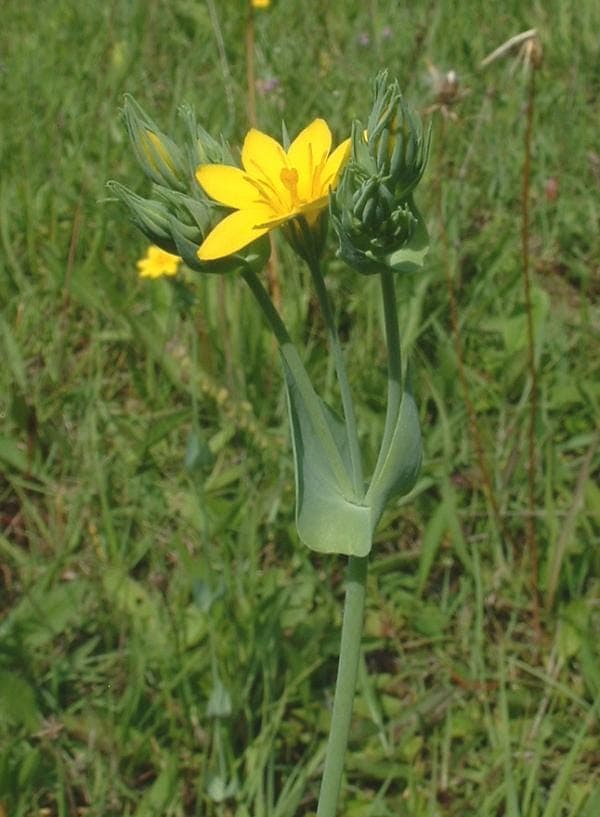
The original uploader was Jeffdelonge at French Wikipedia. / CC BY-SA 3.0, via Wikimedia Commons
Yellow-wort: complete guide
Blackstonia perfoliata
Want to see Yellow-wort: complete guide in your garden?
1 minute, no credit card
Overview
Yellow-wort (Blackstonia perfoliata) is a slender, annual or biennial herb that brings a splash of bright yellow to sunny, dry corners of the garden. Though not commonly found in cultivated gardens, it's gaining popularity among eco-conscious gardeners and designers aiming for naturalistic planting schemes. Native to southern and central Europe, it thrives in chalky grasslands, rocky slopes, and along dry footpaths. In the UK and Ireland, it occasionally appears in the wild but can be successfully grown in garden settings with the right conditions.
On gardenworld.app, you can design a planting scheme that features Yellow-wort alongside other sun-loving, low-fertility specialists, ensuring it gets the light and space it needs to flourish.
Appearance & bloom cycle
Yellow-wort grows between 15 and 40 cm tall, with upright, branching stems that produce clusters of vivid yellow flowers from May through September. Each flower is about 1–1.5 cm wide, with four pointed petals and a distinctive dark green vein running through each. The blooms open fully in bright sunlight and may close during overcast weather or in the evening.
The leaves are opposite and perfoliate - meaning the stem appears to pierce through them - giving the plant a clean, structured look. They're lance-shaped, 2–4 cm long, and a pale green to greyish hue. This species blooms over a long season, especially when grown in full sun with minimal competition. It often self-seeds readily, returning year after year with little input.
Ideal location
Yellow-wort needs full sun - aim for a light rating of 8 or higher. Choose a south- or southwest-facing spot in your garden where it won't be shaded by taller neighbors. It performs exceptionally well in rock gardens, gravel beds, dry borders, or as part of a low-maintenance wildflower mix.
Avoid damp, shady areas or spots crowded by vigorous perennials. It's perfect for poor soils where other plants struggle. Pair it with drought-tolerant companions on slopes, raised beds, or near walls that retain heat. If you're designing a wildlife-friendly garden, this plant supports pollinators like small bees and hoverflies during its long bloom period.
Soil requirements
This plant prefers well-drained, low-fertility soil with a pH between 6.5 and 7.0. It tolerates sandy, gravelly, or shallow chalky soils but struggles in heavy clay or waterlogged conditions. The key is drainage - avoid areas that stay soggy in winter.
Fertiliser isn't needed and can actually reduce flowering by encouraging leafy growth. Yellow-wort thrives in lean conditions, which naturally limit competition from more aggressive plants. In containers, use a mix of loam-based compost with extra grit or perlite to improve drainage.
Free design
Want to see Yellow-wort: complete guide in your garden? Make a free design now.
Watering
Once established, Yellow-wort is highly drought-tolerant. Water only during prolonged dry spells in its first few weeks or when seedlings are emerging. Overwatering is a bigger risk than underwatering, especially in cool, wet seasons where root rot can develop.
In most garden settings, rainfall is sufficient. If you're using irrigation systems, reduce watering frequency around this plant - it's built to survive with minimal moisture.
Pruning
No pruning is required. As an annual or short-lived perennial, it completes its life cycle within one or two seasons. You can deadhead spent flowers to maintain a tidy look, but leaving them encourages natural reseeding. In autumn, let the plants die back naturally - the dried stems add winter texture and shelter for overwintering insects.
Maintenance calendar
- March–April: Watch for seedlings emerging. Thin if overcrowded.
- May–September: Peak flowering period. Monitor for slugs on young shoots.
- July–August: Allow some seed heads to ripen for self-sowing.
- October–November: Cut back only if desired. Otherwise, leave standing.
- December–February: Dormant phase. No action needed.
Use gardenworld.app to create a custom maintenance calendar that syncs with Yellow-wort's growth cycle and your local climate zone.
Winter hardiness
Yellow-wort is considered hardy to USDA zone 6. While the adult plant dies back after flowering, it reliably returns from seed. The seeds overwinter in the soil and germinate when temperatures rise in spring. Ensure the site stays well-drained in winter to prevent rot.
In colder or wetter regions, consider sowing seeds in autumn so they experience natural stratification. In very exposed gardens, a light mulch of gravel can help protect early seedlings without smothering them.
Companion plants
Pair Yellow-wort with other sun-loving, drought-tolerant plants:
- Helenium autumnale – for late-season colour
- Nepeta racemosa – for soft texture and pollinator appeal
- Eryngium bourgatii – for architectural form
- Sedum spectabile – for autumn interest
- Thymus serpyllum – for ground cover and fragrance
Avoid moisture-loving plants like hostas or astilbes, and aggressive spreaders such as mint or goldenrod.
Closing
Yellow-wort may not dominate the border, but its long bloom time, cheerful colour, and minimal care needs make it a quiet hero in sustainable garden design. It's ideal for gardeners who want beauty without constant upkeep. Whether used in a gravel garden, wildflower patch, or as a filler in a sunny rockery, it adds a natural, carefree charm.
Looking for a plant that thrives on neglect and still looks great? Yellow-wort fits the bill. Explore planting combinations and layouts on gardenworld.app to see how it can elevate your low-maintenance garden.
Want to see Yellow-wort: complete guide in your garden? Make a free design now.
Upload a photo, pick a style, and get a photorealistic design with plant list in under a minute.
No credit card required


Similar plants
Branched gentianella: complete guide
Gentianella ramosa
Full growing guide for Gentianella ramosa, the branched Alpine gentianella of the SW Alps - location, soil, watering, winter care and companion plants.
Spiked centaury: complete guide
Schenkia spicata
Full growing guide for Schenkia spicata (spiked centaury): sunny position, dry soil, bloom season and garden companions.
Narrow-leaf gentian: complete guide
Gentiana angustifolia
Narrow-leaf gentian growing guide: intense blue trumpet flowers in May-July on well-drained limestone. Full cultivation tips.