
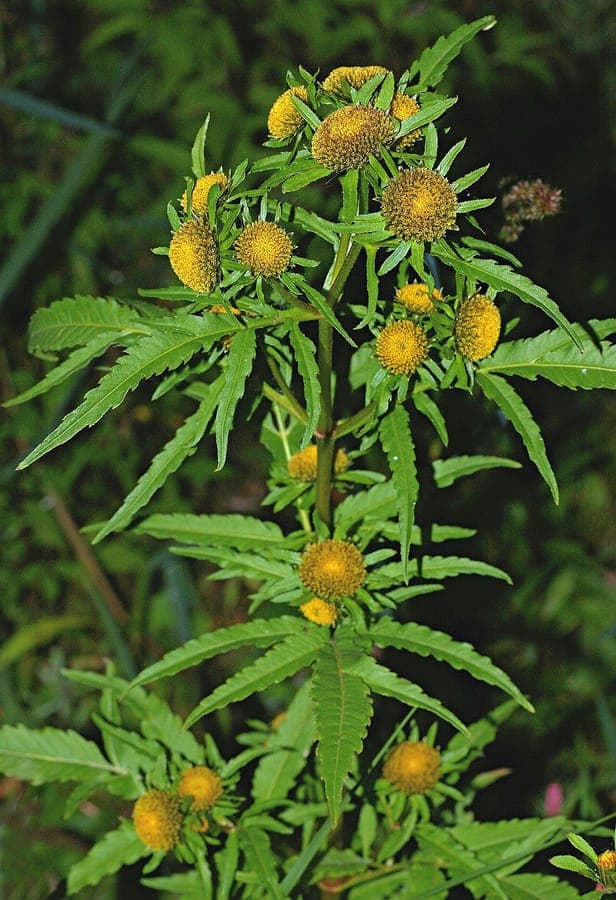
Christian Fischer / CC BY-SA 3.0, via Wikimedia Commons
Radiating bur-marigold: complete guide
Bidens radiata
Want to see Radiating bur-marigold: complete guide in your garden?
1 minute, no credit card
Overview
Bidens radiata, commonly known as Radiating bur-marigold, is an annual flowering plant that brings a burst of golden-yellow colour to gardens in the late season. Native to regions across Central and Eastern Europe, including the Baltic States and parts of Russia, this hardy yet fleeting beauty thrives in sunny spots and performs reliably from September through October. It's not a showy plant in the traditional sense, but its quiet persistence and cheerful blooms make it a valuable asset in any border plan.
On gardenworld.app, you can design a planting scheme that integrates Radiating bur-marigold with other autumn performers, ensuring height variation, colour harmony, and staggered blooming.
Appearance & bloom cycle
Radiating bur-marigold typically reaches 30–50 cm in height, with a spread of 25–35 cm. The plant has a bushy, upright habit and branches freely, forming a dense cluster of slender stems. Its bright yellow flowers are daisy-like, measuring about 2–3 cm across, with numerous ray florets radiating from a darker yellow central disc. Bloom time starts in September and continues until the first hard frost, usually in late October.
Leaves are narrow, lance-shaped, and medium green, often deeply divided with serrated edges. The foliage has a slightly coarse texture and lacks fragrance, but the flowers are highly attractive to late-season pollinators like hoverflies, bumblebees, and small butterflies.
Ideal location
With a light requirement of 8/10, Bidens radiata needs full sun to thrive. Aim for a spot that receives at least 6–8 hours of direct sunlight per day. In partial shade, the plant will stretch, become leggy, and produce fewer blooms. It performs best in open borders, cottage gardens, or as part of a seasonal container display.
Avoid placing it behind tall perennials that might block light in autumn. Instead, position it towards the front or middle of the border. Pair it with plants that die back early in the season, leaving space and light for Bidens to shine when other flowers fade.
Soil requirements
This species prefers a neutral to slightly alkaline soil with a pH between 7.0 and 7.5. It grows well in well-drained, moderately fertile soil. While it originates in moist riparian zones, it adapts well to average garden conditions as long as water doesn't pool around the roots.
Heavy clay soils should be amended with grit or compost to improve drainage. Avoid overly rich soils, as excessive nutrients promote leafy growth at the expense of flowering. A light top-dressing of compost in early summer is sufficient.
Free design
Want to see Radiating bur-marigold: complete guide in your garden? Make a free design now.
Watering
Water regularly during dry spells, especially in July and August when the plant is establishing. Once established, it shows moderate drought tolerance, but consistent moisture supports prolonged blooming. Check soil moisture by inserting your finger 2–3 cm deep; water if dry.
Avoid overhead watering where possible to reduce the risk of fungal diseases. Water early in the morning or late in the evening to minimize evaporation. In containers, water more frequently, as pots dry out faster.
Pruning
Pruning isn't essential, but pinching back the tips of young plants in early summer (around July) encourages bushier growth and more blooms. Simply snip off the top 1–2 cm of the main stems to promote lateral branching.
Deadheading isn't strictly necessary, as the plant continues blooming naturally, but removing spent flowers can keep the display tidy. At season's end, cut back and compost the entire plant, as it won't survive winter.
Maintenance calendar
- June: Sow seeds indoors or plant out young specimens from garden centres. Harden off before transplanting.
- July: Pinch back growing tips. Begin regular watering during dry periods.
- August: Monitor for aphids or mildew. Treat organically if needed.
- September: Flowers begin to open. Maintain even soil moisture.
- October: Peak bloom. Prepare for end-of-season cleanup.
- November: Cut down and remove plant debris. No overwintering.
Winter hardiness
Bidens radiata is not winter-hardy. It is a true annual, killed by the first frosts (USDA Zone 7 and below). It will not survive temperatures below -2°C. Do not attempt to protect it - clear it away and replant fresh next year. Self-seeding is rare in temperate climates, so reliable returns aren't expected.
Companion plants
Good companions include late-flowering asters, hardy chrysanthemums, sedums, and ornamental grasses like Miscanthus. The yellow flowers contrast beautifully with purple, pink, or deep red tones. Avoid pairing with aggressive spreaders or tall plants that cast shade.
It also works well in mixed containers with ornamental kale or pansies for an autumn display. Buy young plants in summer from garden centres like those in the UK, or start from seed under cover.
Closing
Radiating bur-marigold is a low-key but dependable performer in the autumn garden. It asks for little and gives colour when many other plants have finished. While it won't dominate a border, its cheerful presence fills a crucial gap in the seasonal cycle. Plan your autumn palette on gardenworld.app, where you can simulate sunlight angles, plant heights, and bloom overlaps to get the most from Bidens radiata and its companions.
Want to see Radiating bur-marigold: complete guide in your garden? Make a free design now.
Upload a photo, pick a style, and get a photorealistic design with plant list in under a minute.
No credit card required


Similar plants
Calendula stellata: complete guide
Calendula stellata
Complete guide to Calendula stellata, the star-flowered marigold from Sicily: location, soil, watering and companion planting tips.
Korean chrysanthemum: complete guide
Chrysanthemum x rubellum
Chrysanthemum x rubellum is a hardy autumn perennial with single pink to copper flowers from August to November. Care and combinations.
Helianthus divaricatus: complete guide
Helianthus divaricatus
Helianthus divaricatus is a North American woodland sunflower with yellow summer blooms, ideal for naturalistic borders and shady edges.