
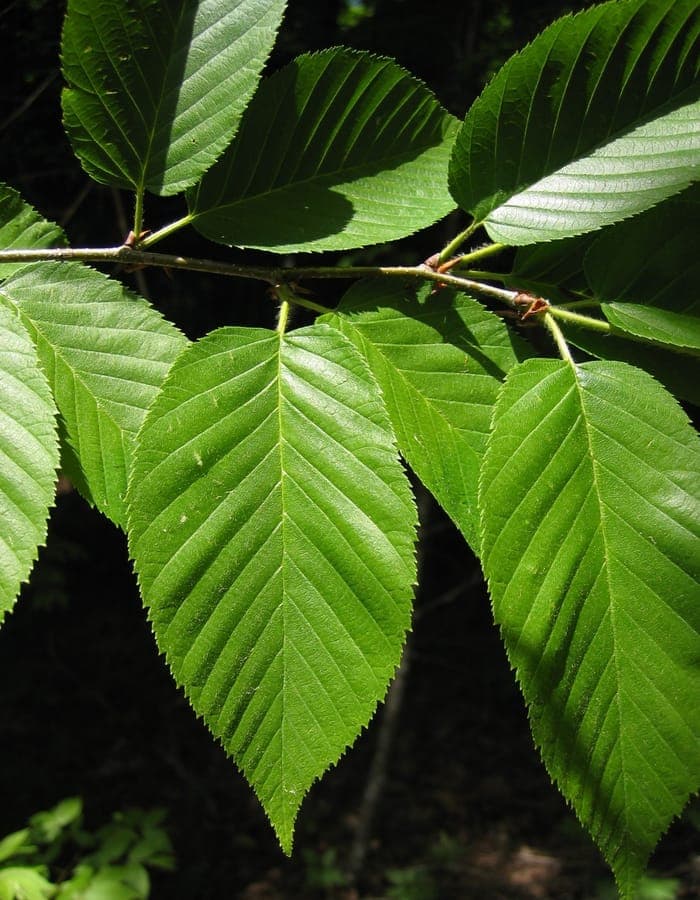
Keith Kanoti / CC BY 3.0, via Wikimedia Commons
Yellow Birch: complete guide
Betula alleghaniensis
Want to see Yellow Birch: complete guide in your garden?
1 minute, no credit card
Overview
Betula alleghaniensis, commonly known as Yellow Birch, is a stately deciduous tree native to eastern North America, thriving from Alabama up through New England and into southeastern Canada. In temperate European and UK gardens, it's gaining popularity for its elegant form, distinctive bark, and reliable autumn color. Mature trees reach 15–20 meters in height with a spread of 8–10 meters, making them best suited for larger gardens, parks, or naturalized areas. Part of the Betulaceae family, this birch stands out with its smooth, golden-bronze bark that peels in fine, papery curls – a standout feature in winter landscapes.
Using gardenworld.app, you can design a garden layout that accommodates the Yellow Birch's mature size and seasonal impact, ensuring it has room to thrive.
Appearance & bloom cycle
Young Yellow Birches have a pyramidal crown that gradually rounds out with age. The foliage emerges in spring as soft green, turning rich golden-yellow in autumn – one of the brightest fall displays among birches. The tree blooms from April to May with separate male and female catkins. Male catkins are slender, 5–8 cm long, and release pollen on the wind. Female catkins are shorter, about 2–3 cm, and develop into small, cone-like seed pods by late summer. Seeds disperse from October onward, carried by the breeze.
In winter, the tree's ornamental value peaks: the bark transitions from silvery-gray on young stems to a warm, golden-yellow on mature trunks, with thin, exfoliating layers that curl at the edges.
Ideal location
Plant your Yellow Birch in full sun to partial shade. It performs best with at least 6 hours of direct sunlight daily but benefits from afternoon shade in hotter zones (USDA 7 and above). Avoid tight spaces – keep at least 5 meters from buildings, driveways, and underground pipes. Its deep taproot and spreading lateral roots need room to establish. Don't plant near patios or sidewalks, as roots can heave paving over time.
This tree works well as a specimen in a lawn or as part of a mixed woodland edge. Avoid planting beneath dense evergreens that block light and compete for moisture.
Soil requirements
Yellow Birch prefers moist, well-drained loamy or sandy clay soils with a slightly acidic to neutral pH (5.5–7.0). It struggles in compacted, dry, or highly alkaline soils. Before planting, amend the soil with 10–15 cm of well-rotted compost or leaf mold. Dig a hole 1.5 times wider than the root ball but no deeper. Backfill with native soil mixed with compost.
Apply a 5 cm layer of organic mulch (like shredded bark) to retain moisture and suppress weeds. Replenish annually in spring.
Free design
Want to see Yellow Birch: complete guide in your garden? Make a free design now.
Watering
Water deeply once a week during the first two growing seasons, especially in dry spells. Provide 20–30 liters per session using a slow drip or bucket method. Established trees are moderately drought-tolerant but grow faster and healthier with consistent soil moisture. During extended dry periods in summer, deep watering every 10–14 days helps prevent leaf scorch and premature drop.
Avoid overhead watering, which can encourage fungal issues like leaf spot.
Pruning
Pruning is minimal. Remove dead, damaged, or crossing branches in late winter (January–February), when the tree is dormant. Avoid pruning in spring, as birches bleed sap heavily when cut during sap flow. Use clean, sharp tools – bypass pruners for small branches, a pruning saw for limbs over 5 cm.
Never remove more than 20% of the canopy in a single year. For a clean trunk, gradually raise the crown over 3–4 years by removing lower branches incrementally.
Maintenance calendar
- January–February: Dormant pruning. Inspect for storm damage.
- March: Soil test. Apply compost if needed.
- April–May: Monitor bud break and catkin development. No fertiliser required.
- June–August: Water weekly in drought. Check mulch levels.
- September–October: Let fallen leaves decompose under the tree – they enrich the soil naturally.
- November–December: Protect young trunks from rodents with tree guards. Avoid piling mulch against the trunk.
Winter hardiness
Yellow Birch is hardy in USDA zones 3–7. It withstands winter temperatures down to -30°C. In milder climates (zone 8), it grows well but may be more susceptible to summer drought stress. Young trees benefit from burlap wraps in exposed sites to prevent sunscald and wind damage.
The exfoliating bark provides year-round interest, especially when backlit by low winter sun.
Companion plants
Pair Yellow Birch with shade-tolerant, moisture-loving plants. Excellent companions include native ferns (Dryopteris marginalis), wild ginger (Asarum canadense), foamflower (Tiarella cordifolia), and spring ephemerals like bloodroot (Sanguinaria canadensis). For understory structure, consider serviceberry (Amelanchier) or.pagoda dogwood (Cornus alternifolia).
Avoid invasive groundcovers or aggressive root competitors like periwinkle or shallow-rooted lawn grasses.
On gardenworld.app, you can explore woodland garden designs that highlight the Yellow Birch's natural elegance and seasonal rhythm.
Closing
Yellow Birch is a long-term investment in beauty and biodiversity. With its shimmering bark, golden fall foliage, and wildlife value, it's a standout in any spacious garden. Given proper space, moisture, and minimal care, it grows into a majestic focal point. Available at garden centres across the UK and Europe, it's a rewarding choice for gardeners seeking a hardy, ornamental native tree with year-round appeal.
Want to see Yellow Birch: complete guide in your garden? Make a free design now.
Upload a photo, pick a style, and get a photorealistic design with plant list in under a minute.
No credit card required


Similar plants
Heart-leaf birch: complete guide
Betula cordifolia
Heart-leaf birch is an attractive North American birch tree for large gardens. Discover growth, white papery bark and winter hardiness.
Tropical hornbeam: complete guide
Carpinus tropicalis
Everything about Carpinus tropicalis, the tropical hornbeam from Central America. Growing tips, location, care, and garden use explained.
Japanese Alder (Alnus firma): complete guide
Alnus firma
Learn everything about Japanese Alder in our complete guide. Discover care, growth, and applications for larger gardens.