
Christian Fischer / CC BY-SA 3.0, via Wikimedia Commons
Lesser-water-plantain: complete guide
Baldellia ranunculoides
Want to see Lesser-water-plantain: complete guide in your garden?
1 minute, no credit card
Overview
Baldellia ranunculoides, commonly known as Lesser-water-plantain, is a graceful perennial that thrives in wet, marshy conditions where many other plants struggle. Native to parts of Western and Southern Europe - including France, Germany, and Belgium - it's naturally found in shallow ditches, muddy margins, and slow-moving streams. Though not as showy as some ornamental pond plants, its subtle charm and resilience make it a valuable addition to any water garden or bog bed.
This plant is often overlooked in mainstream garden centres, but specialists and eco-conscious gardeners are starting to appreciate its role in supporting biodiversity. It grows well in USDA hardiness zones 6 to 9, tolerating winter temperatures down to -20°C. If you're designing a naturalistic water feature, consider using gardenworld.app to map out your planting zones and ensure proper depth and companion plant pairings.
Appearance & bloom cycle
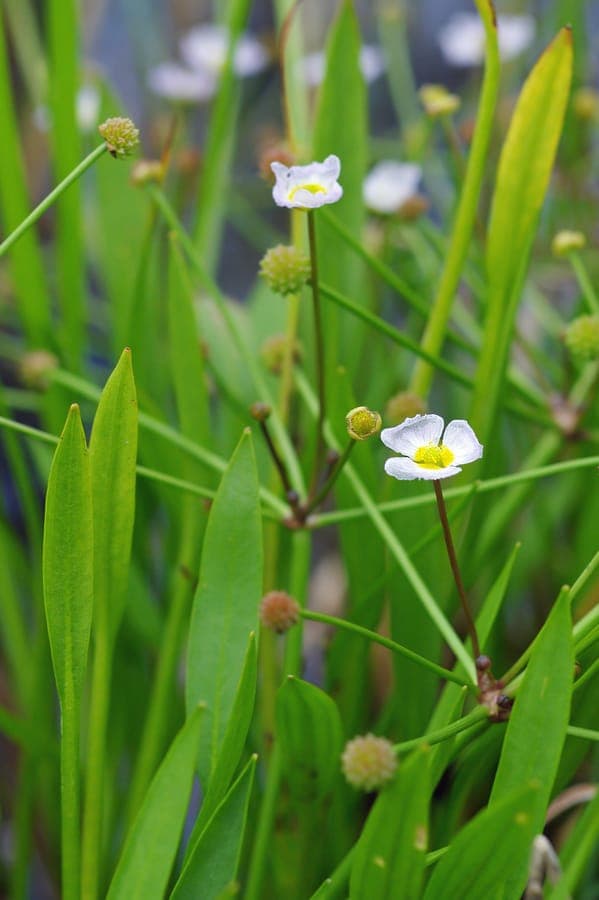
Lesser-water-plantain reaches a height of 20 to 50 cm, with slender, erect stems and lance-shaped leaves 5 to 15 cm long. The leaves are glossy green, arranged in a basal rosette, and emerge early in spring. From June to August, delicate flowers appear on branched spikes - each bloom about 1 to 1.5 cm across, with three pale pink to whitish petals and contrasting dark stamens.
While not flashy, these flowers attract hoverflies, small bees, and other pollinators. After blooming, the plant develops small, triangular seed pods that persist into autumn. The seeds are dispersed by water flow or birds, allowing natural spread in suitable habitats. The foliage remains green through most of the growing season, turning yellow-brown in late autumn before dying back.
Ideal location
Plant Baldellia ranunculoides in shallow water, ideally 0 to 15 cm deep. It performs best in partial shade - east-facing pond margins or north-side wetlands work well. Full sun is acceptable if the water stays consistently cool and doesn't evaporate too quickly. Avoid hot, south-facing spots unless you can provide shade during midday.
It's perfect for the margins of wildlife ponds, bog gardens, or rainwater retention basins. If planting in a container, use a 15–20 cm wide aquatic basket filled with heavy loam-based compost. Make sure the pot sits on a shelf in the pond where the water covers the crown by at least 5 cm. You can use gardenworld.app to visualise your pond layout and determine optimal planting depths for each species.
Soil requirements
The plant prefers nutrient-rich, moist to wet soils with high organic content. A mix of garden loam, compost, and a bit of clay provides ideal structure. Avoid peat-based composts - they're too light and float away. The pH should be slightly acidic to neutral (5.5 to 7.0).
In containers, top-dress the soil with 2–3 cm of gravel to prevent the substrate from clouding the water and to discourage geese or ducks from digging it up. Never use standard potting mix - it's too airy and will decompose rapidly in water.
Free design
Want to see Lesser-water-plantain: complete guide in your garden? Make a free design now.
Watering
This species is fully aquatic or semi-aquatic. It requires constant moisture. The root zone must never dry out. In a pond, maintain a stable water level between 0 and 15 cm above the soil. During dry spells, top up weekly to compensate for evaporation.
In bog gardens or rain gardens, ensure the soil remains saturated. If your area experiences prolonged droughts, consider installing a drip line or using a mulch of wet leaves to retain moisture.
Pruning
Pruning is minimal. In early spring, remove dead or damaged foliage with sharp snips to make room for new growth. This also helps prevent sludge buildup and keeps the water clear. Leave seed heads intact through autumn and early winter to support insects and birds.
Cut back any remaining stems to 5 cm above the soil in late November if desired, but leaving them provides winter structure and habitat.
Maintenance calendar
- January: Check container roots; divide if pot-bound.
- February: No action needed.
- March: Clear away old leaves.
- April: Plant new specimens in pots or directly in wet soil.
- May: Monitor water levels; top up if needed.
- June – August: Peak bloom period; observe pollinator activity.
- September: Begin reducing maintenance; allow seeds to mature.
- October: Leave plant debris for wildlife.
- November: Optional cutback.
- December: Dormant phase - leave undisturbed.
Winter hardiness
Hardy in USDA zones 6–9. The plant dies back in winter, but the rhizomes survive under water or in saturated soil. In shallow ponds, sink pots deeper (15–20 cm below water surface) to protect roots from freezing.
In containers above water, insulate with hessian or leaf litter, or move to a frost-free area. Avoid letting the rootball dry out completely.
Companion plants
Pair with Iris laevigata, Mentha aquatica, or Lythrum salicaria for colour and texture contrast. Use Carex vulpinoidea or Juncus effusus for structural support. Avoid invasive species like Hydrocotyle vulgaris that may outcompete it.
In drier transition zones, try Eutrochium maculatum or Persicaria amphibia. These combinations create a layered wetland effect that looks natural and supports diverse wildlife.
Closing
Lesser-water-plantain is a quiet achiever in the water garden. It doesn't demand attention but delivers steady beauty and ecological value. Whether you're restoring a wetland corner or designing a low-maintenance pond edge, this plant earns its place. You can find it at specialist nurseries or order online. Mainstream garden centres in the UK and US may not stock it regularly, but check with aquatic plant suppliers. In Europe, look for it at garden centres like Truffaut, Jardiland, or Hornbach. And remember - gardenworld.app helps you design a planting scheme that balances water depth, soil type, and seasonal interest for lasting success.
Want to see Lesser-water-plantain: complete guide in your garden? Make a free design now.
Upload a photo, pick a style, and get a photorealistic design with plant list in under a minute.
No credit card required


Similar plants
California damsonium: complete guide
Damasonium californicum
Full guide to Damasonium californicum (California damsonium): shallow water, bog soil, care and companion plants for this rare western aquatic.
Yellow water lily: complete guide
Limnocharis flava
Discover the yellow water lily. Everything you need to know about cultivation, care and water placement.
Sagittaria subulata: complete guide
Sagittaria subulata
Discover narrow-leaf arrowhead (Sagittaria subulata), an aquatic plant for ponds and water gardens. Complete cultivation and care guide.