
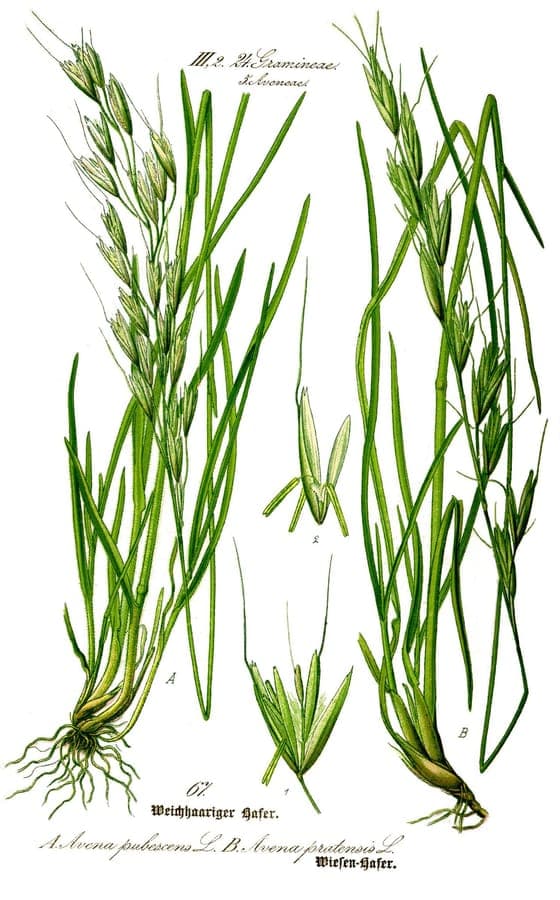
User:Kilom691 / Public domain, via Wikimedia Commons
Downy oat grass: complete guide
Avenula pubescens
Want to see Downy oat grass: complete guide in your garden?
1 minute, no credit card
Overview
Downy oat grass (Avenula pubescens), also called hairy oat grass, is an elegant grass species from the Poaceae family. This alpine plant grows naturally in mountain meadows and grasslands across Europe to the Caucasus and Mongolia.
It is excellent for wildflower gardens, alpine gardens, dry borders, and group plantings. This grass offers fine, elegant texture that combines well with many other plants.
Appearance and growth
Downy oat grass forms dense, grey-green, delicate tufts. Foliage is fine, hairy (pubescent), approximately 20 to 40 centimeters long. The name "pubescens" refers to this characteristic soft hair covering the leaves.
From May to July, flower panicles emerge that can reach 50 to 80 centimeters high. The panicles are light, open, and have a very elegant, silky appearance, especially when moving in wind.
Color varies from grey-green (growing season) to golden-brown (autumn and winter), providing year-round visual interest.
Ideal location
Downy oat grass thrives in full sun locations. The plant is extremely hardy and suitable for all European climate zones.
- Light: Full sun; minimum 6 hours direct daily
- Wind: Tolerates mountain winds well; movement emphasizes elegance
- Shelter: No special protection needed
Soil
Downy oat grass is not demanding regarding soil. Ideal conditions:
- Well-draining soil (dry to moderately dry)
- Moderately to highly fertile
- Sandy, loamy, or chalky soil; pH 5-8
- Avoid heavy, dense clay
The plant is drought-tolerant and suited to less fertile soils.
Watering
Once established, Downy oat grass needs virtually no water. Ensure the plant does not sit in stagnant water.
- Growth period: Ensure regular moisture in first season
- Established plant: Completely drought-tolerant; no supplemental water needed
- Drainage: Essential; avoid waterlogging
Free design
Want to see Downy oat grass: complete guide in your garden? Make a free design now.
Pruning
Downy oat grass needs minimal pruning. You can:
- Early spring (March-April) remove dried stems from previous year
- This encourages new growth
- Do not cut too deeply; retain at least 5-10 centimeters of foliage
Maintenance calendar
- March-April: Remove dead material from previous year; apply compost
- May-July: Growth period; panicles at their finest
- August-September: Seeds ripen; leave until late season for bird food
- October-November: Autumn colors develop; grass turns golden-brown
- December-February: Winter dormancy; grass provides winter garden structure
Winter hardiness
Downy oat grass is extremely hardy to -20 degrees Celsius and thrives throughout Europe. The plant survives even very harsh winters.
Companion plants
Downy oat grass combines beautifully with:
- Salvia (sage) - attractive color contrasts
- Nepeta (catmint) - compatible growing needs
- Achillea (yarrow) - drier soils
- Dianthus (pink) - alpine plants together
- Geranium (cranesbill) - wild garden style
- Helianthemum (sun rose) - same dry habitats
Plant in groups or as a solo accent.
Propagation
- Seed: Sow in spring or autumn; prefers natural stratification (cold period)
- Division: Divide clumps in spring
Closing
Downy oat grass is a reliable, low-maintenance grass for any European climate. The fine, elegant panicles and hardy nature make it ideal for permanent gardens. Discover gardenworld.app for more ornamental grass inspiration. Transform your garden with the right grass selection on gardenworld.app.
Want to see Downy oat grass: complete guide in your garden? Make a free design now.
Upload a photo, pick a style, and get a photorealistic design with plant list in under a minute.
No credit card required


Similar plants
Sporobolus pungens: complete guide
Sporobolus pungens
Sporobolus pungens is a stoloniferous Mediterranean coastal grass with outstanding salt and drought tolerance, perfect for seaside and dry gardens.
Mediterranean aegilops: complete guide
Aegilops biuncialis
Everything about Aegilops biuncialis, a Mediterranean annual grass with ornamental spikes and outstanding drought tolerance for dry gardens.
Silver bluestem: complete guide
Bothriochloa saccharoides
Full guide to Bothriochloa saccharoides (silver bluestem): site, soil, watering, winter hardiness, pruning, and garden companions.