
mieoli / CC BY-SA 4.0, via Wikimedia Commons
Common orache: complete guide
Atriplex patula
Want to see Common orache: complete guide in your garden?
1 minute, no credit card
Overview
Common orache (Atriplex patula) is a resilient annual herb that thrives in disturbed soils, coastal areas, and urban wastelands. Though often dismissed as a weed, it's a valuable plant for gardeners embracing low-input, ecological growing. Native across much of Europe and North America, it adapts quickly to poor soils and harsh conditions. Its edible leaves, structural form, and support for insects make it a smart addition to permaculture plots, wildlife borders, or temporary ground cover.
On gardenworld.app you can design a planting scheme that integrates Common orache with companion plants for texture and function.
Appearance & bloom cycle
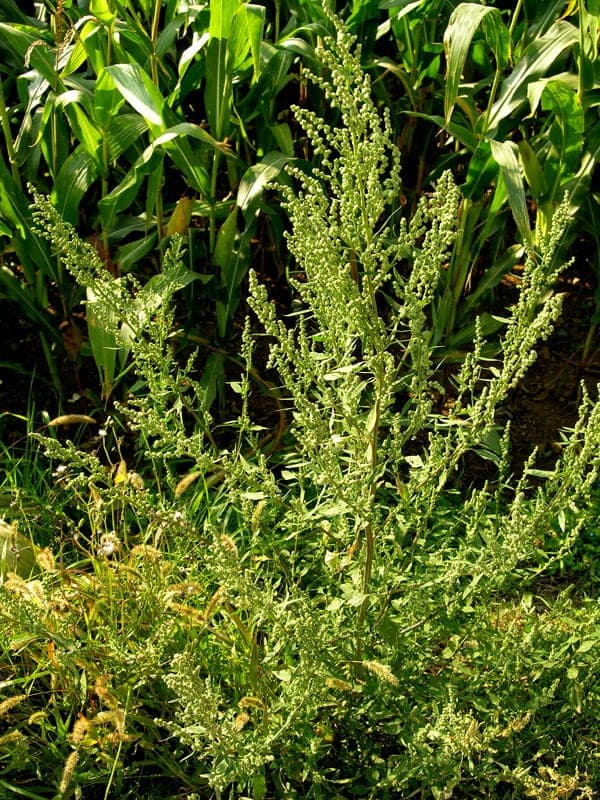
Common orache grows 30–80 cm tall with an upright, branched habit and a spread of up to 40 cm. Stems are green to reddish, often angular, and carry alternate, lance-shaped leaves 2–6 cm long. The foliage has a distinctive silvery-green or greyish cast, especially on younger growth, due to a fine, powdery coating. Leaves are entire or slightly toothed, with a slightly fleshy texture.
From July to October, tiny green to tan flowers appear in dense clusters along the upper stems. The plant is monoecious - male and female flowers on the same plant - and wind-pollinated. After flowering, small, flattened brown seeds form and disperse easily. The plant doesn't die back immediately, often standing through autumn, adding skeletal interest to the garden.
Ideal location
Plant Common orache in full sun to light shade. It performs best in open, uncompetitive spaces: along fence lines, in urban lots, or on neglected corners of the garden. Allow at least 30 cm spacing between plants to prevent overcrowding. Avoid formal beds - this plant shines in informal, wild-style gardens.
It's excellent as a pioneer species on compacted or contaminated soil. In cities, it can stabilise rubble or repurposed land. If you're rewilding part of your garden or testing soil recovery, Common orache is a practical indicator and protector. Check how it fits your layout using gardenworld.app's garden planner.
Soil requirements
This plant tolerates a wide range of soils, including sandy, loamy, and clay types, as long as drainage is reasonable. It prefers alkaline conditions (pH 7.0–8.5) and handles saline soils well - making it suitable near roads treated with winter salt. It often appears spontaneously where sodium levels are high.
No fertiliser needed. Rich soils encourage leggy growth and reduce hardiness. Avoid waterlogged clay; if your soil is heavy, mix in sharp sand or fine grit to improve structure. It thrives on neglect, so resist the urge to improve the ground too much.
Free design
Want to see Common orache: complete guide in your garden? Make a free design now.
Watering
Once established, Common orache is highly drought-tolerant. Young seedlings need consistent light watering for the first three weeks. After that, only water during extended dry spells (over 10 days without rain). Overwatering leads to weak stems and root rot.
Water at soil level - avoid wetting the foliage. Use rainwater when possible, as tap water with high calcium content can build up on the leaf surface over time.
Pruning
No pruning required. As an annual, it completes its life cycle in one season. To prevent self-seeding, cut off flower spikes before seeds mature. Leave a few plants standing for winter structure and to support overwintering insects.
If using as a green manure, cut the plant back in midsummer and use the chopped biomass as mulch. The leaves contain potassium and sodium, which slowly release into the soil.
Maintenance calendar
- Jan: No action
- Feb: No action
- Mar: Start seeds indoors at 15–18°C; sow shallowly, barely cover
- Apr: Harden off seedlings; plant out after last frost
- May: Transplant to final position; space 30 cm apart
- Jun: Monitor young plants during dry periods
- Jul: Flowering begins; check for seed dispersal
- Aug: Full bloom; maintain spacing
- Sep: Seeds ripening; decide on control
- Oct: Plants die back after frost; clear or leave for wildlife
- Nov: Collect seeds or let self-sow
- Dec: No action
Winter hardiness
Common orache is not winter-hardy. It dies after the first hard frost, typically in late October or November in USDA zones 5–8. Seeds survive in the soil and germinate the following spring. No protection needed. In mild autumns, late-germinating seeds may overwinter as rosettes.
Companion plants
Pair Common orache with other tough, low-fuss plants like calendula, yarrow, or tansy. It works well in transition zones between garden and wild space. Avoid planting near delicate crops like lettuce or herbs that may be shaded out.
In a food forest or regenerative garden, use it as a short-term ground cover to suppress weeds and protect bare soil. It's especially useful on land being prepared for future vegetable beds.
Closing
Common orache isn't showy, but it's functional, edible, and resilient. It asks for little and gives back in structure, soil support, and ecological value. Use it to kickstart regeneration, add texture, or simply let it grow where nothing else will. Seeds are available at garden centres or can be collected from wild stands.
For creative planting ideas, explore gardenworld.app. Whether you're restoring soil or designing a low-maintenance border, this plant has earned its place.
Want to see Common orache: complete guide in your garden? Make a free design now.
Upload a photo, pick a style, and get a photorealistic design with plant list in under a minute.
No credit card required


Similar plants
Bassia laniflora (woolly summer-cypress): complete guide
Bassia laniflora
Full guide to Bassia laniflora: origin, appearance, ideal location, soil, watering and care for this drought-tolerant annual.
Suaeda spicata: complete guide
Suaeda spicata
Everything about Suaeda spicata (spiked seablite): a rare salt-tolerant coastal succulent from the western Mediterranean and Macaronesia.
California amaranth: complete guide
Amaranthus californicus
Full guide to California amaranth (Amaranthus californicus): growing tips, ideal location, soil needs, watering, and garden design ideas.