
Eckhard Garve / CC BY-SA 3.0, via Wikimedia Commons
Long-stalked orache: complete guide
Atriplex longipes
Want to see Long-stalked orache: complete guide in your garden?
1 minute, no credit card
Overview
Atriplex longipes, commonly known as Long-stalked orache, is a resilient perennial species native to coastal regions across northern Europe. Belonging to the Amaranthaceae family, it's built for tough conditions-thriving in salty, dry, and nutrient-poor soils where many garden favourites fail. You'll find it naturally growing in dunes, wastelands, and road verges exposed to sea spray. While not a mainstream garden plant, it's a brilliant choice for coastal gardens, gravel beds, or any low-fertility site needing structure and hardiness.
If you're working with challenging soil, gardenworld.app offers smart design tools to help integrate Atriplex longipes into your garden layout. You can also use the platform to match it with compatible species that share its tolerance for harsh conditions.
Appearance & bloom cycle
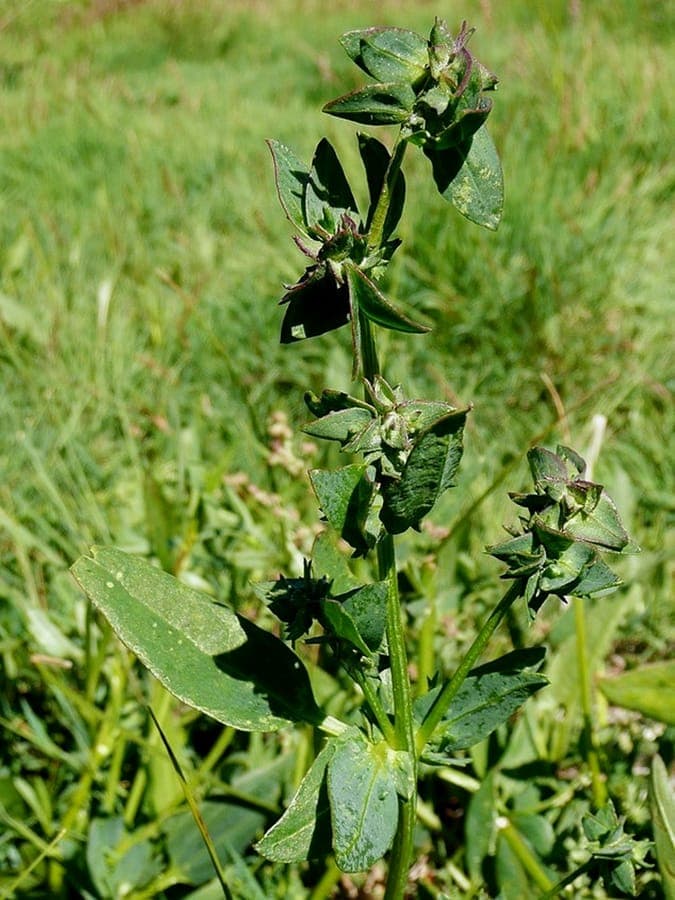
This plant reaches 40 to 80 cm in height, with upright, rigid stems that develop fine, reddish-brown to greenish inflorescences from July to September. The blooms are carried on long stalks-hence the name-and appear in dense clusters. Leaves are lance-shaped, 3–7 cm long, with a silvery-gray upper surface and a softly woolly underside, giving the whole plant a subtle, textured look.
In autumn, the flowering stems deepen to a rust colour, adding visual interest well into winter. The plant is dioecious, meaning male and female flowers grow on separate plants. While not showy, the blooms attract small pollinators, and the persistent seed heads feed birds during colder months.
Ideal location
Plant Long-stalked orache in full sun-minimum 6 hours of direct sunlight daily. It won't perform well in shade, where growth becomes weak and leggy. Ideal spots include south- or west-facing slopes, dry banks, or gravel gardens. It's a natural fit for coastal-inspired designs or urban gardens exposed to road salt.
While not commonly found in standard garden centres, specialist nurseries and seed suppliers sometimes carry it. If you're in the UK, keep an eye out at independent growers or online seed banks. Garden centres occasionally stock similar Atriplex species, but true Atriplex longipes remains a niche choice.
Soil requirements
This plant excels in poor, sandy, well-drained soils with a pH between 5.5 and 7.0. It tolerates saline conditions and actually prefers low-fertility ground-rich, compost-heavy soils will do more harm than good. Avoid fertilising at all costs; excess nutrients lead to soft growth and reduced hardiness.
When preparing the site, mix in coarse sand or grit to improve drainage. Never plant in heavy clay without amending it first. On gardenworld.app, you can run a soil compatibility check to see if your garden conditions suit salt-tolerant species like Long-stalked orache.
Free design
Want to see Long-stalked orache: complete guide in your garden? Make a free design now.
Watering
Water only during establishment and prolonged droughts. Once rooted, it's fully drought-resistant. During the first few months, give about 1 litre per plant once a week if rain is scarce. Use rainwater when possible-tap water often contains lime, which can alter soil pH over time.
Let the soil dry out completely between waterings. Overwatering is a bigger threat than under-watering. In winter, no supplemental irrigation is needed, even during dry spells. This plant is adapted to low-rainfall coastal dunes and doesn't expect constant moisture.
Pruning
Pruning isn't required for health or shape. In fact, it's best to leave the plant standing through winter to support wildlife and add structure. If you prefer a neater look, cut back old stems to ground level in late winter (February to early March). Use clean, sharp shears and remove only dead or damaged material.
Avoid cutting in autumn-wait until late winter to allow birds to feed on the seeds. If self-seeding becomes excessive, remove flower heads before they mature.
Maintenance calendar
- January–February: Cut back old growth if desired.
- March: Light clean-up, remove any unwanted seedlings.
- April: Check for new shoots. No feeding.
- May: Monitor young plants in dry spells; water if needed.
- June: Start of flowering. No pruning.
- July–September: Full bloom. Minimal care required.
- October: Leave standing for winter interest.
- November–December: No action needed. Plant is fully dormant.
Winter hardiness
Long-stalked orache is highly winter-hardy (USDA zones 5–8), surviving temperatures down to -20°C. It remains upright through winter, though it turns brown and dry-looking-this is completely normal. The plant doesn't need protection, mulch, or covering. In fact, mulching can trap moisture and lead to root rot.
Only in poorly drained, heavy soils during wet winters is there a risk. If your garden has clay, improve drainage with grit or consider raised beds. The plant relies on cold stratification for seed germination, so winter chill is actually beneficial.
Companion plants
Pair Atriplex longipes with other drought- and salt-tolerant species. Good companions include Elymus arenarius, Artemisia schmidtiana, Festuca ovina, and Carum carvi. These share similar growing needs and create a cohesive, naturalistic look.
Avoid moisture-loving plants like hostas or astilbes. Stick to tough, low-maintenance perennials that thrive in lean soils. Using gardenworld.app, you can preview plant combinations to see how Long-stalked orache fits into your overall garden design.
Closing
Long-stalked orache isn't flashy, but it's dependable. It grows where little else will, adds year-round texture, and supports local wildlife-all with zero fuss. No feeding, no extra watering, no coddling.
If you're gardening on poor soil, near the coast, or just want a plant that truly belongs in the landscape, give Atriplex longipes a try. It's a quiet performer with real staying power. And with gardenworld.app, you can design around its strengths, not against them.
Want to see Long-stalked orache: complete guide in your garden? Make a free design now.
Upload a photo, pick a style, and get a photorealistic design with plant list in under a minute.
No credit card required


Similar plants
Bassia laniflora (woolly summer-cypress): complete guide
Bassia laniflora
Full guide to Bassia laniflora: origin, appearance, ideal location, soil, watering and care for this drought-tolerant annual.
Suaeda spicata: complete guide
Suaeda spicata
Everything about Suaeda spicata (spiked seablite): a rare salt-tolerant coastal succulent from the western Mediterranean and Macaronesia.
California amaranth: complete guide
Amaranthus californicus
Full guide to California amaranth (Amaranthus californicus): growing tips, ideal location, soil needs, watering, and garden design ideas.