
Benjamin Zwittnig / CC BY 2.5 si, via Wikimedia Commons
Carnic masterwort: complete guide
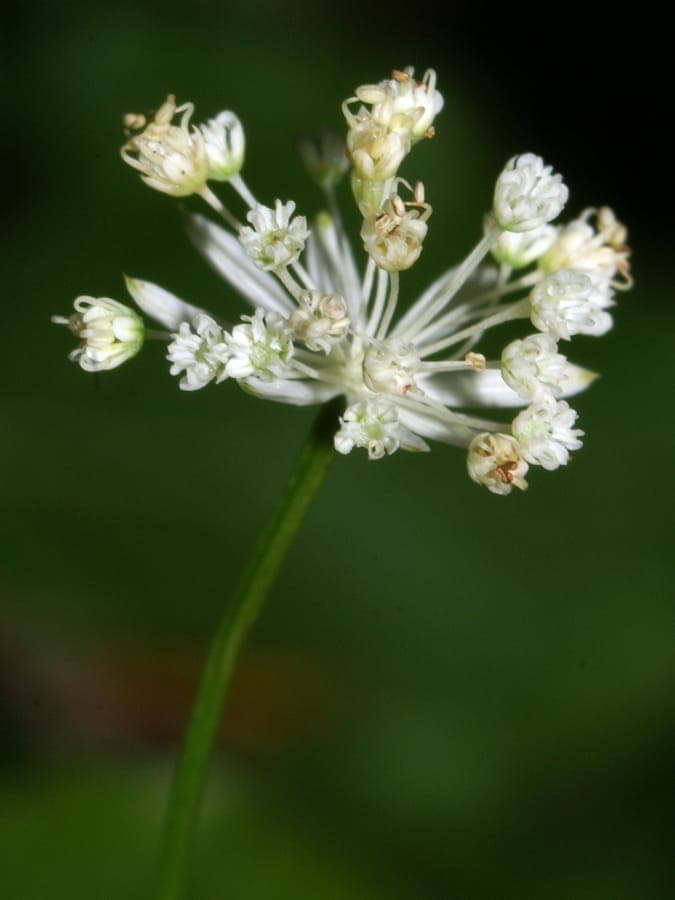
Astrantia carniolica
Want to see Carnic masterwort: complete guide in your garden?
1 minute, no credit card
Overview
Carnic masterwort (Astrantia carniolica) is a refined Eastern Alpine plant belonging to the carrot family (Apiaceae). This distinctive mountain species grows wild in alpine meadows and limestone grasslands across Austria, Italy, and former Yugoslavia, perfectly adapted to harsh winters and nutrient-rich alpine soils.
It is an excellent choice for the Alpine garden, rock garden, or wildflower meadow. Though related to larger Astrantia major, this species remains more compact with finer foliage.
Appearance and bloom
Carnic masterwort forms dense, resilient rosettes of finely toothed leaves. Stems reach 30 to 50 centimeters tall, bearing characteristic umbel flowers in white to light pink tones.
Flowers consist of tiny individual florets surrounded by prominent bracts that encase the entire flower cluster. These bracts display a white to soft pink luster, creating a long-lasting garden effect. Blooming extends from July through September.
Leaves are palmately divided, green, and finely textured. They create attractive ground coverage around flower stems.
Ideal location
Carnic masterwort thrives in sunny to semi-shaded positions. In southern regions, afternoon shade is beneficial. In hot, dry summers, some protection from intense midday sun helps.
This plant is extremely hardy and suitable for all zones. It tolerates mountain winds and drought excellently thanks to its deep root system. Plant in locations with slightly more moisture availability during spring and summer.
Soil
Carnic masterwort has specific soil preferences:
- Well-draining, limestone-rich soil
- Moderately fertile to rich substrate
- Clean sand or grit base
- pH 6 to 8 (preferably more alkaline)
Soil drainage is essential. Heavy clay, waterlogged conditions cause problems. In such cases, adding gravel or grit helps.
Free design
Want to see Carnic masterwort: complete guide in your garden? Make a free design now.
Watering
Once established, Carnic masterwort needs little water. It is drought-tolerant and manages with minimal supplemental watering under normal conditions. During very dry periods, some supplemental watering is welcome.
During the growth season (May to September), ensure soil does not dry out completely. Maintain regular, even moisture.
Pruning
Pruning is not essential. You can remove faded flower stems after blooming to keep the plant neat and prevent self-seeding.
In autumn (October to November), remove dead foliage.
Maintenance calendar
- March-April: New growth begins. Check water availability. Add thin compost layer.
- May-June: Sow seeds in open ground. Existing plants bloom soon.
- July-September: Peak blooming period. Remove spent flowers.
- October-November: Plant enters dormancy. Clear faded parts.
- December-February: Winter rest. Plant is completely hardy.
Winter hardiness
Carnic masterwort is extremely hardy to -20 degrees Celsius and thrives throughout Europe. No winter protection needed.
Companion plants
Carnic masterwort combines beautifully with:
- Saxifraga (saxifrage) - both prefer Alpine conditions
- Sedum (stonecrop) - same dry locations
- Dianthus (pink) - attractive color contrasts
- Dryas - wild Alpine companions
- Geranium (cranesbill) - compatible growing needs
Plant in groups of three to five for maximum effect.
Closing
Carnic masterwort offers years of ornamental value in the rock garden and Alpine garden. With minimal care and thoughtful site selection, it proves a reliable mountain plant. Discover gardenworld.app for more Alpine gardening inspiration. For advice on your mountain garden: gardenworld.app is your partner.
Want to see Carnic masterwort: complete guide in your garden? Make a free design now.
Upload a photo, pick a style, and get a photorealistic design with plant list in under a minute.
No credit card required


Similar plants
Whorled carrot: complete guide
Daucus involucratus
Daucus involucratus is a Mediterranean umbellifer with white flower heads framed by lacy bracts. Growing this gravel garden gem.
Daucus muricatus: complete guide
Daucus muricatus
Daucus muricatus, the spiny wild carrot, grows wild on Mediterranean coasts. Discover sowing, June-July bloom, and wildflower meadow use.
Daucus pumilus: complete guide
Daucus pumilus
Daucus pumilus is a dwarf wild carrot relative with white lacy umbels, thriving on dunes and coastal rock in poor, fast-draining soil.