
Kurt Stüber [1] / CC BY-SA 3.0, via Wikimedia Commons
Cicer milk-vetch: complete guide
Astragalus cicer
Want to see Cicer milk-vetch: complete guide in your garden?
1 minute, no credit card
Overview
Cicer milk-vetch, or Astragalus cicer, is a tough, long-lived perennial that deserves more attention in temperate gardens. Native to regions across central and eastern Europe - from Belgium to Russia - it thrives in poor, well-drained soils where many plants struggle. This member of the Fabaceae family isn't flashy, but it's reliable, hardy, and quietly beautiful in its own way. Its silvery foliage and soft pink-purple flowers make it a smart pick for naturalistic planting schemes.
If you're planning a low-water garden or a rocky slope, Cicer milk-vetch fits right in. Use gardenworld.app to design a layout that highlights drought-tolerant species like this one, especially in xeriscapes or gravel beds.
Appearance & bloom cycle
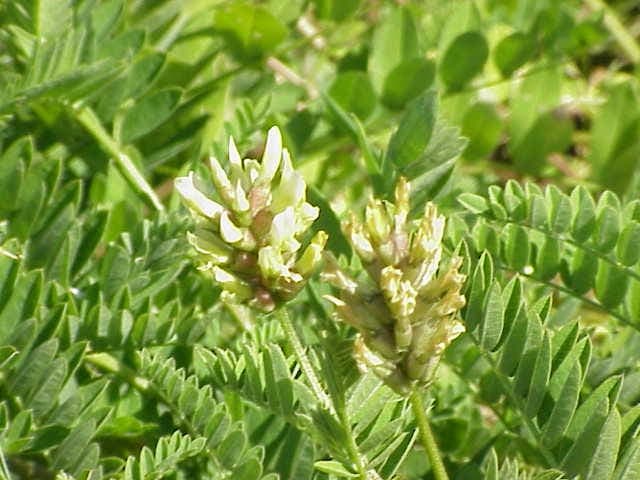
Cicer milk-vetch grows 30 to 50 cm tall with an upright or slightly spreading habit. The leaves are pinnate, covered in fine hairs, giving them a silvery-grey appearance. They're soft to the touch and form a neat mound. From June to late July, upright stems produce short racemes of pale pink to rosy-purple pea-like flowers. These are followed by small, densely packed seed pods that often persist into autumn.
The plant spreads slowly via underground rhizomes but doesn't become invasive. It maintains a tidy shape and adds subtle texture to mixed borders. It's not a plant that shouts for attention - but once you notice it, you'll appreciate its quiet resilience.
Ideal location
Full sun is best - at least 6 hours of direct sunlight daily. The plant can handle partial shade, but flowering will be sparse and stems may flop. Choose a spot with excellent air circulation, especially on slopes or raised beds. It's ideal for dry banks, rock gardens, or as a groundcover in sunny borders.
Avoid low-lying areas where water collects. This plant hates wet feet. If your garden has heavy clay, consider planting on a slope or raised mound to improve drainage. On gardenworld.app, you can map your garden's sun and drainage patterns to find the perfect microclimate for Cicer milk-vetch.
Soil requirements
Well-drained, sandy, or gravelly soil is essential. Cicer milk-vetch tolerates poor, low-fertility soils and even chalky conditions (pH 6.0–7.5). It does poorly in rich, moist soils. Never add compost or manure - this can lead to excessive leaf growth and fewer flowers.
Because it's a legume, it fixes nitrogen through root nodules, so it doesn't need fertiliser. If your soil is heavy clay, mix in grit or coarse sand at planting time to improve drainage. Raised beds or scree gardens work well in these cases.
Watering
Once established, Cicer milk-vetch is drought-tolerant. During the first growing season, water deeply once a week during dry spells - about 5–10 litres per plant. After that, supplemental watering is rarely needed, even in hot summers.
Overwatering is a bigger risk than underwatering. Soggy soil leads to root rot, which can kill the plant. If you're using tap water, let it sit for 24 hours to reduce chlorine and allow temperature to stabilise.
Free design
Want to see Cicer milk-vetch: complete guide in your garden? Make a free design now.
Pruning
Pruning isn't necessary. You can deadhead spent flower spikes to keep the plant tidy, but it won't rebloom. In late winter or early spring, remove any damaged or dead stems with clean, sharp shears. Avoid cutting into old wood - this plant regrows slowly and doesn't respond well to hard pruning.
Always disinfect your tools after use to prevent disease spread, especially if you've been working on other plants.
Maintenance calendar
- January: Check for winter damage. Avoid walking on wet soil.
- February: Prepare tools. Inspect for early pests.
- March: Gently clear away old foliage. Be careful not to damage new growth.
- April: Plant new specimens. Water young plants during dry spells.
- May: Watch for slugs on new shoots. No feeding required.
- June: Bloom begins. Monitor young plants for water needs.
- July: Peak flowering. Water only if prolonged drought hits.
- August: Flowers fade. Leave seed pods for wildlife.
- September: Collect seeds if desired. Let remaining pods self-seed.
- October: No action needed. Leave stems for winter interest.
- November: Ensure good drainage. Avoid mulching with organic matter.
- December: Final check. No watering or feeding.
Winter hardiness
Cicer milk-vetch is hardy in USDA zones 4–8 (down to -34°C). In the UK and most of northern Europe (zone 7), it survives winter with no protection. Top growth may die back, but the crown and roots remain alive.
Leave the plant standing over winter - the dried stems provide shelter for beneficial insects and add visual structure to the dormant garden. In wet winters, a light gravel mulch can help keep the crown dry, but avoid bark or leaf mulch that holds moisture.
Companion plants
Pair Cicer milk-vetch with other drought-tolerant perennials like Sedum spectabile, Thymus serpyllum, Echinacea purpurea, or Salvia officinalis. Its silvery foliage contrasts nicely with bold greens or spiky textures.
It also works well with ornamental grasses such as Festuca ovina or Stipa tenuissima. For pollinator gardens, it's a reliable draw for bumblebees and butterflies. Avoid aggressive spreaders like mint or goldenrod that could outcompete it.
Closing
Cicer milk-vetch is a quiet workhorse - unassuming but tough, pretty but practical. It's perfect for tough spots where other plants fail. Once established, it asks for almost nothing and gives back with texture, colour, and ecological value.
You can find it at garden centres like B&Q, Wyevale, or local independents, often in the alpine or drought-tolerant section. If you're designing a low-maintenance, wildlife-friendly garden, start by using gardenworld.app to visualise how Cicer milk-vetch can fit into your planting scheme.
Want to see Cicer milk-vetch: complete guide in your garden? Make a free design now.
Upload a photo, pick a style, and get a photorealistic design with plant list in under a minute.
No credit card required


Similar plants
Tall Silky Lupine: complete guide
Lupinus elatus
Tall silky lupine is a fast-growing Californian perennial with silvery foliage and blue-purple flower spikes, ideal for a prairie-style garden.
Garfield Lupine: complete guide
Lupinus garfieldensis
The Garfield lupine is a rare, fast-growing American perennial for alkaline, dry grassland gardens, with striking blue flower spikes.
Lupinus elegans: complete guide
Lupinus elegans
Lupinus elegans, the elegant lupine, is a spectacular blooming plant from Mexico with blue flower spikes. Care, cultivation and garden use.