
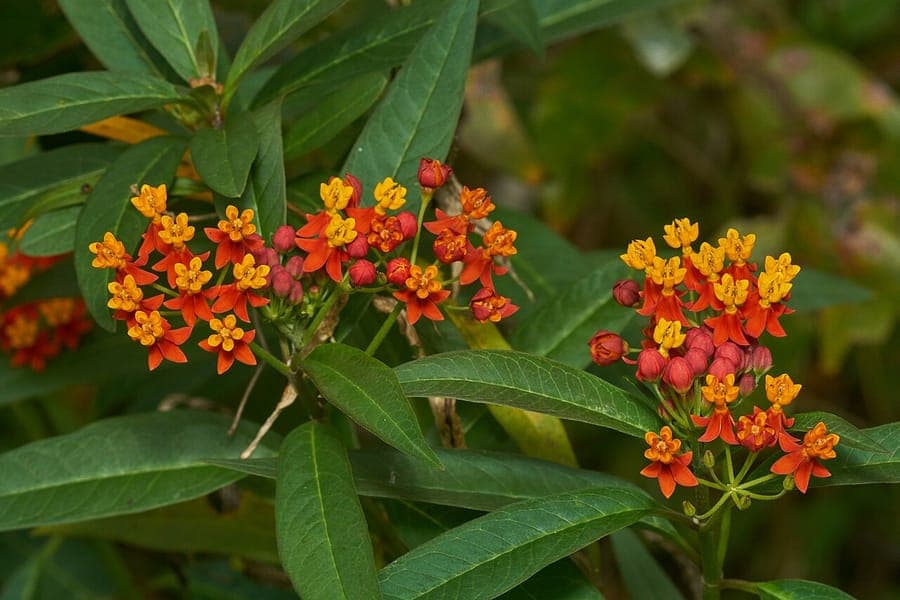
Jeevan Jose, Kerala, India / CC BY-SA 4.0, via Wikimedia Commons
Bastard ipecacuana: complete guide
Asclepias curassavica
Want to see Bastard ipecacuana: complete guide in your garden?
1 minute, no credit card
Overview
Bastard ipecacuana, also known as tropical milkweed or bloodflower, is a standout in any garden that values both beauty and biodiversity. Botanically named Asclepias curassavica, this member of the Apocynaceae family is native to tropical regions of the Americas - from Brazil to the Bahamas - and thrives in warm, sunny conditions. Though not fully winter-hardy in temperate climates, it's widely grown as an annual or overwintered with care.
What makes this plant truly special is its role as a host for monarch butterfly caterpillars. The leaves are a vital food source, while the nectar-rich flowers attract a wide range of pollinators, including bees, hoverflies, and hummingbird moths. If you're aiming for a wildlife-friendly garden, this is a top-tier choice.
On gardenworld.app, you can design a layout that highlights Bastard ipecacuana's vibrant colour and ensures it's placed where it'll get maximum sun and complement surrounding drought-tolerant species.
Appearance & bloom cycle
Bastard ipecacuana grows 60–90 cm tall with an upright, bushy habit. The leaves are lance-shaped, 10–15 cm long, deep green, and arranged oppositely on reddish stems. The real show begins in early summer, when dense, spherical clusters of red and orange flowers appear, often with yellow centres.
Blooming from June to October, this plant offers a long season of colour. The flower heads, about 5–8 cm across, stand proudly above the foliage and remain attractive for weeks. Deadheading encourages continuous blooming and prevents excessive self-seeding.
In late summer, seed pods form and split open to reveal silky, tufted seeds that float away on the breeze - a mesmerising sight and a great way to involve kids in gardening.
Ideal location
Full sun is non-negotiable. This plant needs at least 6–8 hours of direct sunlight daily to flower well and stay compact. In too much shade, it becomes leggy and produces fewer blooms.
It works beautifully in mixed borders, cottage gardens, or large containers. Its upright form makes it ideal for mid-border placement. Good air circulation helps prevent fungal issues, especially in humid climates.
Soil requirements
Well-drained soil is key. While Bastard ipecacuana tolerates poor soils, it won't survive in waterlogged conditions. Avoid heavy clay unless amended with grit or compost. A neutral to slightly acidic pH (6.0–7.5) is ideal, but the plant adapts to a range of conditions.
In containers, use a standard potting mix with added perlite or coarse sand for drainage. Don't enrich the soil too much - overly fertile conditions promote leafy growth at the expense of flowers.
Free design
Want to see Bastard ipecacuana: complete guide in your garden? Make a free design now.
Watering
Once established, this plant is remarkably drought-tolerant. Water regularly during the first few weeks after planting, especially in dry spells. After that, only water during prolonged droughts.
Overwatering is a common mistake and can lead to root rot. Water deeply but infrequently, allowing the soil to dry slightly between sessions. Potted plants dry out faster, so check moisture levels weekly.
Pruning
Pruning isn't essential but helps maintain shape and prolong blooming. In midsummer (July or August), cut back stems by 15–20 cm to encourage bushier growth and a second flush of flowers.
Deadhead spent blooms to keep the plant tidy and prevent unwanted self-seeding. In autumn, cut the plant back to 10–15 cm above ground, or leave it standing for winter interest and bird food.
Maintenance calendar
- March–April: Start seeds indoors at 20–25°C. Keep soil moist but not wet.
- May–June: Harden off and plant out after the last frost. Space 30–45 cm apart.
- July–September: Deadhead regularly, monitor for aphids, and enjoy visiting butterflies.
- October: Cut back or leave for winter. Collect seeds if desired.
- November–February: Overwinter potted plants in a cool, bright room (5–10°C) with minimal watering.
Winter hardiness
Bastard ipecacuana is not reliably hardy in USDA zones below 8. In cooler regions (zones 7 and below), it's typically grown as an annual. To overwinter, bring container-grown plants indoors before frost, cut back, and reduce watering.
In milder areas, a thick mulch may protect the crown, but survival isn't guaranteed. Most gardeners in the UK and northern US prefer to buy fresh plants each year from garden centres or propagate from saved seeds.
Companion plants
Pair Bastard ipecacuana with other sun-loving, drought-tolerant perennials like lavender, sedum, echinacea, and rudbeckia. These combinations extend bloom time and support a diversity of pollinators.
Avoid aggressive spreaders like mint. Instead, use structural plants like ornamental grasses or low evergreens to frame the bright flowers. The contrast with silver-foliage plants like artemisia is especially effective.
On gardenworld.app, you can test these combinations in a virtual garden planner to see how colours and heights work together before planting.
Closing
Bastard ipecacuana isn't just a pretty face - it's a powerhouse for pollinators and a reliable performer in sunny borders. With minimal care, it delivers bold colour and ecological value season after season. Whether you're building a butterfly garden or simply want a tropical splash of red and orange, this plant earns its place in any garden.
Want to see Bastard ipecacuana: complete guide in your garden? Make a free design now.
Upload a photo, pick a style, and get a photorealistic design with plant list in under a minute.
No credit card required


Similar plants
Asclepias speciosa: complete guide
Asclepias speciosa
Showy milkweed: striking pink-white flowers, fragrant blooms. Essential monarch butterfly host plant.
Plumeria obtusa: complete guide
Plumeria obtusa
Discover the Singapore graveyard flower: an exotic evergreen with mesmerizing white blooms and exquisite fragrance. Expert cultivation, care, and maintenance tips.
Wrightia arborea: complete guide
Wrightia arborea
Wrightia arborea, known as doodhi, is an elegant tree from South Asia with delicate white flowers. Discover how to cultivate this exotic plant.