
Wikimedia Commons / CC BY-SA 3.0, via Wikimedia Commons
Trailing-snapdragon: complete guide
Asarina procumbens
Want to see Trailing-snapdragon: complete guide in your garden?
1 minute, no credit card
Overview
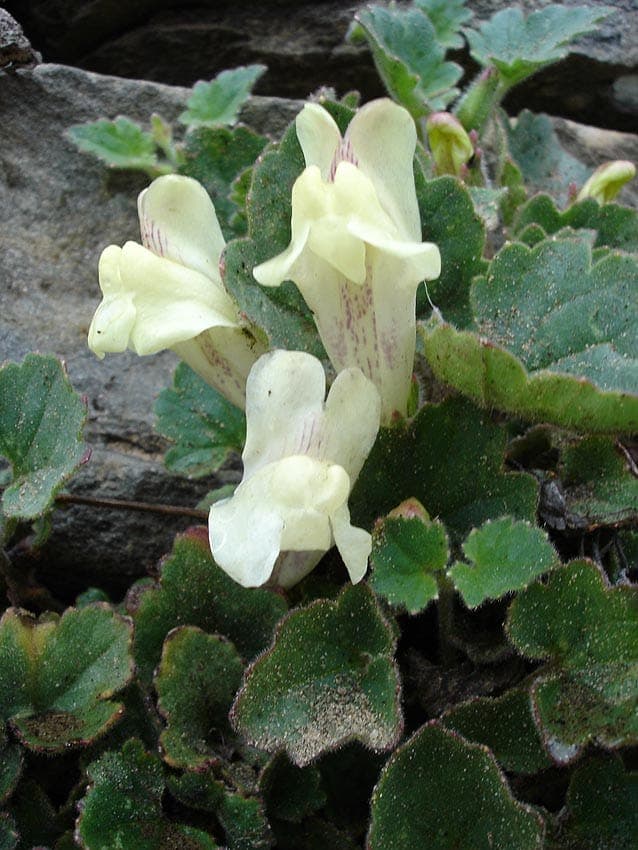
Asarina procumbens, commonly known as trailing-snapdragon, is a charming, creeping perennial from the Plantaginaceae family. Native to southern France and northern Spain, it naturally grows in rocky crevices, stone walls, and alpine slopes. Its trailing habit and long bloom season make it a favorite for gardeners looking to add soft texture and continuous color to walls, containers, and rock gardens. In cooler climates, it behaves more like a tender perennial or even an annual, but with proper care, it can persist for several seasons.
On gardenworld.app, you can design a planting scheme that highlights trailing-snapdragon's cascading form, especially when paired with upright or mounding plants for contrast.
Appearance & bloom cycle
Trailing-snapdragon features slender, bright green stems that trail up to 40 cm in length. The leaves are small, kidney-shaped, and softly textured, often mistaken for those of Asarum - hence the species name. The real showstoppers are the tubular, snapdragon-like flowers. Pure white with a hint of pale green inside, they measure about 2–3 cm and bloom abundantly from April through September.
Flowering starts in spring and continues non-stop if spent blooms are regularly pinched back. In milder areas, blooming can stretch into October. The plant grows slowly at first but fills in nicely over time, creating a delicate carpet or soft edge over walls and pots.
Ideal location
Choose a sunny to lightly shaded spot. Full sun encourages more blooms, but in hot summers, afternoon shade helps prevent leaf scorch. Trailing-snapdragon thrives in crevices, on low walls, or in hanging baskets where its stems can drape gracefully. It's also excellent in rock gardens, mimicking its natural habitat.
Pair it with alpine thyme, Sedum, or Sempervivum for a drought-tolerant, low-maintenance display. On gardenworld.app, you can preview how trailing-snapdragon integrates with other low-growers in a layered garden design.
Soil requirements
This plant prefers well-drained soil and dislikes heavy, waterlogged conditions. Use a gritty mix with added sand or perlite, especially in containers. A slightly acidic to neutral pH (6.0–7.0) is ideal. Avoid overly rich soils - too much fertility leads to lush foliage but fewer flowers.
For rock gardens, incorporate gravel or small stones to improve drainage and mimic alpine conditions. In pots, a mix of standard potting soil and 30% perlite works well.
Free design
Want to see Trailing-snapdragon: complete guide in your garden? Make a free design now.
Watering
Water when the top inch of soil feels dry. During the growing season (April–September), check containers every few days, especially in hot weather. Water deeply but infrequently to encourage strong roots. Avoid wetting the foliage to reduce the risk of powdery mildew or root rot.
In rock gardens or walls, trailing-snapdragon often needs less water, as the roots stay cool and shaded in crevices. In prolonged dry spells, give a slow soak once a week.
Pruning
Pinch back the tips of stems by about one-third after each flush of flowers. This promotes bushiness and prevents legginess. Deadhead regularly to extend blooming and prevent excessive self-seeding. Use clean, sharp scissors and disinfect between cuts to avoid spreading disease.
In late summer or early autumn, give the plant a light trim to tidy it up and encourage fresh growth before winter.
Maintenance calendar
- January: Monitor for rot in wet conditions; protect potted plants from freezing.
- February: Inspect for pests like aphids; ensure soil isn't staying soggy.
- March: Begin light feeding with balanced fertilizer (10-10-10) to support spring growth.
- April: Blooms begin; increase watering if weather turns dry.
- May–August: Deadhead regularly and check soil moisture every 2–3 days in containers.
- September: Last pruning; collect seeds if desired.
- October–December: Reduce watering; mulch garden plants for winter protection.
Winter hardiness
Asarina procumbens is semi-hardy, suitable for USDA zones 7–9. In zone 8 (much of the UK and Pacific Northwest), it can survive winter with good drainage and a sheltered spot. In colder areas or in pots, move containers to a cold frame or unheated greenhouse. Mulching with gravel or straw helps protect the crown in garden beds.
In exposed areas or harsh winters, treat it as an annual and replant in spring.
Companion plants
The white flowers pair beautifully with warm tones like magenta, orange, and deep purple. Try combining with dwarf salvias, red creeping thyme, or purple sedum. For a cottage feel, plant near forget-me-nots or bellflowers.
In rock gardens, use with dwarf conifers, alpine pinks, or dwarf iris for year-round interest. The texture contrast between fine stems and spiky foliage adds visual depth.
Closing
Trailing-snapdragon is a subtle but rewarding plant that brings elegance to small spaces. It's low-maintenance, long-blooming, and perfect for softening hard edges in hardscapes. It won't dominate your garden, but it will quietly enhance it.
You can find Asarina procumbens in spring at garden centres across the UK and North America. Look for healthy young plants with compact growth and no signs of disease. Plant them promptly - they're ready to trail and bloom.
Want to see Trailing-snapdragon: complete guide in your garden? Make a free design now.
Upload a photo, pick a style, and get a photorealistic design with plant list in under a minute.
No credit card required


Similar plants
White Beardtongue: complete guide
Penstemon albidus
Discover white beardtongue (Penstemon albidus) - elegant perennial with white to cream flowers. Drought-resistant, perfect for prairie and dry gardens.
Longsepal Beardtongue: complete guide
Penstemon calycosus
Discover longsepal beardtongue (Penstemon calycosus) - beautiful perennial with lilac-blue flowers. For partial shade and moist soil. Ideal for naturalized.
Penstemon cusickii: complete guide
Penstemon cusickii
Discover Cusick's beardtongue, a compact alpine flowering plant with violet-pink blooms. Perfect choice for rock gardens and water-wise landscaping.