
Wikimedia Commons / CC BY-SA 3.0, via Wikimedia Commons
Felonherb: complete guide
Artemisia vulgaris
Want to see Felonherb: complete guide in your garden?
1 minute, no credit card
Overview
Felonherb, or Artemisia vulgaris, is a hardy, herbaceous perennial that's been a quiet workhorse in gardens across Europe for generations. It's not flashy, but it brings texture, resilience, and architectural interest to spaces where other plants struggle. A member of the Asteraceae family, it's native to regions stretching from Central Europe to parts of Asia, and it thrives in temperate climates like those across the UK and northern Europe.
Growing up to 120 cm tall, Felonherb spreads through creeping rhizomes, forming dense clumps over time. Its upright growth habit makes it ideal for the middle or back of borders, but be mindful-it can become invasive if unchecked. That said, with a bit of management, it's a dependable performer in low-fertility, dry soils.
On gardenworld.app, you can generate a garden layout that incorporates Felonherb exactly where it fits best-balancing its spread with complementary plants.
Appearance & bloom cycle
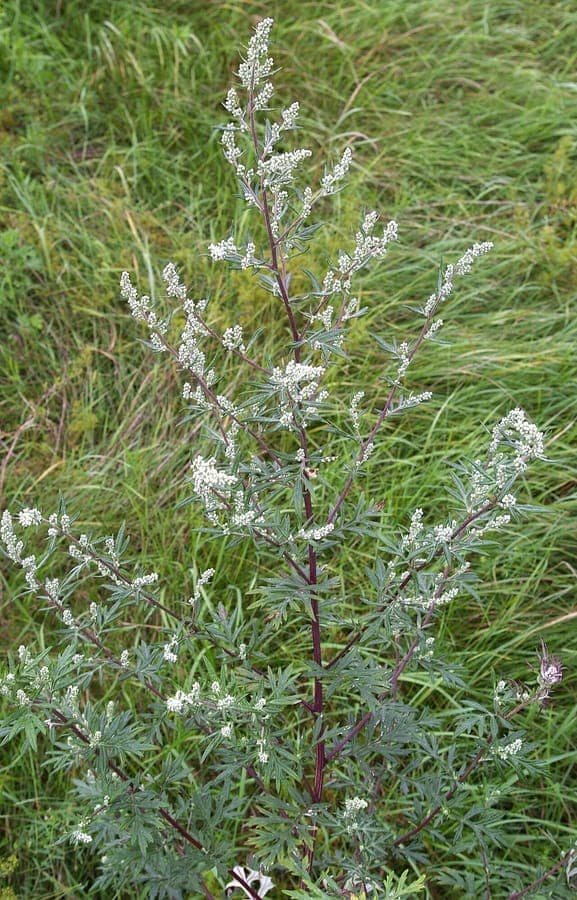
The foliage is the real star. Felonherb has deeply divided, feathery leaves covered in fine hairs, giving them a soft, silvery-grey appearance. The undersides are especially pale, creating a shimmering effect in sunlight. When crushed, the leaves emit a sharp, slightly bitter, aromatic scent-somewhere between sage and camphor, with a hint of lemon in some cultivars.
From July to September, slender, upright stems rise above the foliage, topped with delicate panicles of tiny white flowers. The blooms aren't large or brightly colored, but they add airy movement to the garden and attract small pollinators like hoverflies and native bees. After flowering, the seed heads persist into winter, adding visual interest during the dormant months.
Ideal location
Felonherb thrives in full sun (light level 7–10), needing at least six hours of direct sunlight daily. It tolerates partial shade, but in lower light, the stems stretch, the plant opens up, and flowering diminishes. For compact, bushy growth, full sun is essential.
It's perfect for dry, neglected corners, gravel gardens, or along paved areas where moisture is limited. It's also a strong candidate for urban gardens or roadside plantings where conditions are harsh. Because of its spreading nature, consider installing a root barrier or planting it in a contained bed to prevent it from overtaking nearby plants.
Soil requirements
This plant prefers poor to average soil with excellent drainage. The ideal pH range is 6.5 to 7.0-slightly acidic to neutral. Rich, heavily amended soils encourage leggy growth and increase susceptibility to root rot.
Avoid clay-heavy soils unless you amend them with grit or sand. If planting in heavy ground, raise the bed slightly or mix in coarse sand to improve drainage. Felonherb doesn't need fertilizer; in fact, too much nitrogen leads to floppy stems and reduced hardiness.
Free design
Want to see Felonherb: complete guide in your garden? Make a free design now.
Watering
Once established, Felonherb is highly drought tolerant. During the first six weeks after planting, water weekly to help roots settle. After that, it rarely needs supplemental water unless facing prolonged dry spells in summer.
Overwatering is the biggest threat. Soggy soil, especially in winter, invites fungal diseases and root rot. Water deeply but infrequently, and always let the soil dry out between sessions. Rainwater is preferable-Felonherb dislikes high-lime tap water over time.
Pruning
Pruning isn't mandatory, but it helps maintain shape and limit spread. In early spring, cut back last year's stems to about 15 cm above ground level. This clears space for new growth and prevents old debris from smothering emerging shoots.
If the plant starts creeping beyond its bounds, dig up and remove unwanted rhizomes. Don't compost or discard them on-site-fragments can regenerate. Instead, bag and dispose of them.
Maintenance calendar
- Jan: Check for winter damage; remove broken stems
- Feb: No action needed
- Mar: Cut back old growth to 15 cm
- Apr: Monitor for new shoots; keep area weed-free
- May: Watch for drought stress
- Jun: No feeding required; check moisture in dry spells
- Jul: Flowers emerge; ensure light watering if extremely dry
- Aug: Peak bloom; monitor for spreading
- Sep: Flowers fade; leave seed heads for winter interest
- Oct: Remove seed heads if self-seeding is a concern
- Nov: Plant dies back; no care needed
- Dec: Dormant period; avoid disturbing soil
Winter hardiness
Felonherb is hardy to USDA zone 4 (-20°C), making it fully hardy across most of the UK and northern Europe. It dies back completely in winter and re-emerges in spring from the crown. The dried stems can be left standing to catch frost and add structure to the winter garden.
Companion plants
Pair Felonherb with other drought-tolerant perennials like Sedum, Echinacea, Salvia, or Nepeta. Its silver foliage contrasts beautifully with deep purples, blues, and yellows. It works well in prairie-style plantings or gravel gardens.
Avoid moisture-loving plants like Hostas or Astilbes-your plant pairing will end in compromise. Also, don't plant it near culinary herbs; it spreads aggressively and can choke out slower growers.
Use the combination tool on gardenworld.app to find the perfect match for Felonherb in your specific garden setting.
Closing
Felonherb isn't a showstopper, but it's a garden survivor-tough, reliable, and full of character. With minimal care, it brings texture, movement, and a touch of wildness to your borders. Just keep its spread in check, and give it the sun and space it craves. You'll find Felonherb at most garden centres in spring, including chains like B&Q, Wyevale, or local independents.
Want to see Felonherb: complete guide in your garden? Make a free design now.
Upload a photo, pick a style, and get a photorealistic design with plant list in under a minute.
No credit card required


Similar plants
Calendula stellata: complete guide
Calendula stellata
Complete guide to Calendula stellata, the star-flowered marigold from Sicily: location, soil, watering and companion planting tips.
Korean chrysanthemum: complete guide
Chrysanthemum x rubellum
Chrysanthemum x rubellum is a hardy autumn perennial with single pink to copper flowers from August to November. Care and combinations.
Helianthus divaricatus: complete guide
Helianthus divaricatus
Helianthus divaricatus is a North American woodland sunflower with yellow summer blooms, ideal for naturalistic borders and shady edges.