
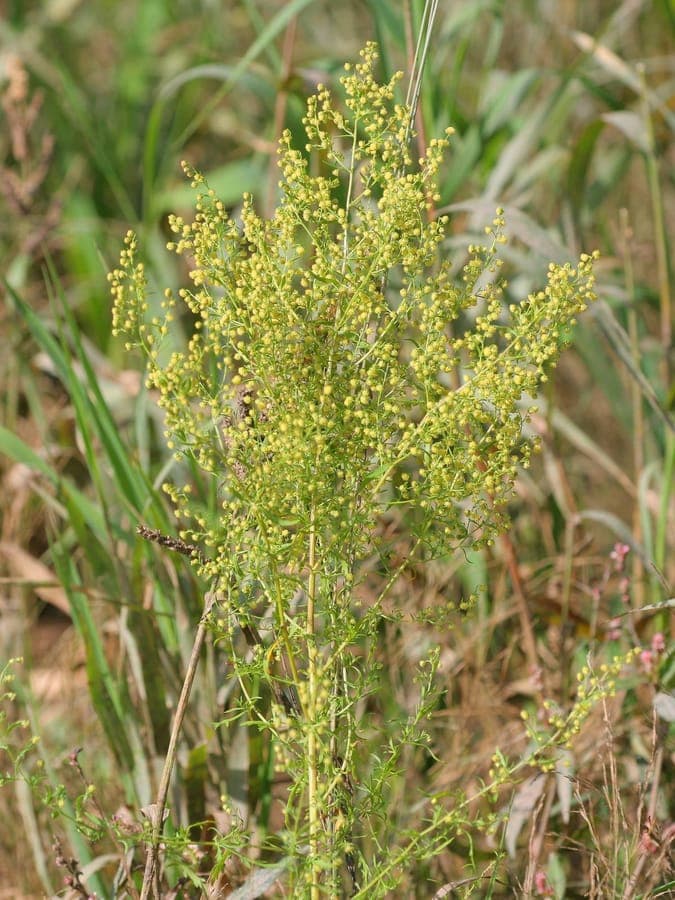
Kristian Peters -- Fabelfroh 11:39, 16 September 2007 (UTC) / CC BY-SA 3.0, via Wikimedia Commons
Annual wormwood: complete guide
Artemisia annua
Want to see Annual wormwood: complete guide in your garden?
1 minute, no credit card
Overview
Artemisia annua, commonly known as Annual wormwood, is a fast-growing, one-season plant that's been used for centuries in traditional medicine, particularly in parts of Asia and Africa. While it's most famous for producing artemisinin-a compound vital in malaria treatment-it's also a surprisingly elegant and low-maintenance addition to ornamental and herb gardens. Native to regions like China and Afghanistan, it thrives in hot, dry summers and well-drained soils. In temperate climates like the UK and parts of North America, it behaves as a true annual, completing its life cycle in one growing season. It's not a flashy plant, but its fine, silvery foliage and airy presence make it a textural standout in naturalistic planting schemes.
On gardenworld.app you can design a garden layout that works perfectly with Annual wormwood, especially if you're aiming for a drought-resilient or herb-focused space.
Appearance & bloom cycle
Annual wormwood typically reaches 60–120 cm in height, with a spread of 30–50 cm. It features deeply divided, fern-like leaves that are soft to the touch and carry a distinct camphor-like scent when brushed. This scent is a natural deterrent to many garden pests, including aphids and slugs. The plant blooms from late summer into fall-usually August through October-with small, pale yellow-green flowers clustered in loose panicles. These aren't showy, but they attract beneficial insects like hoverflies and lacewings. As a self-seeding annual, it may return in subsequent years if seeds drop and overwinter successfully.
The foliage dries beautifully, so many gardeners leave it standing through winter for visual interest and to support overwintering insects.
Ideal location
Full sun is essential. This plant needs at least 6–8 hours of direct sunlight daily to grow strong and maintain its aromatic oils. It can tolerate partial shade, but plants become leggy and more prone to mildew. Space plants 30–40 cm apart to ensure good airflow and reduce humidity buildup. It performs well in borders, herb gardens, rockeries, or even in containers on sunny patios. Avoid crowded planting, as poor circulation invites fungal issues.
Soil requirements
Artemisia annua prefers light, sandy, or gravelly soils with excellent drainage. It tolerates poor, low-fertility soils and actually produces more artemisinin under slightly stressful conditions. A pH between 5.5 and 7.5 is ideal. Do not enrich the soil with compost or manure-fertile ground encourages leafy growth at the expense of essential oil concentration. If you're cultivating it for medicinal use, lean soil is better.
Free design
Want to see Annual wormwood: complete guide in your garden? Make a free design now.
Watering
Water sparingly. During the first two weeks after sowing or transplanting, keep the soil lightly moist to help seedlings establish. After that, this plant is highly drought-tolerant. Water only during prolonged dry spells-about once a week with 5–10 litres per plant. Use drip irrigation or water at the base to avoid wetting the foliage, which can lead to rot. Overwatering is the most common cause of failure.
Pruning
Pruning isn't required, but pinching the tips in early summer (June) encourages bushier growth and prevents the plant from getting too tall and top-heavy. For increased artemisinin yield, some growers recommend topping the plant in mid-July. Remove dead or damaged stems as needed. At season's end, cut back or leave standing depending on your garden's winter aesthetic.
Maintenance calendar
- March: Start seeds indoors at 18–22°C using a light seed mix.
- April: Harden off seedlings. Sow directly outdoors after last frost (late April in USDA zones 7–8).
- May: Thin seedlings to 30–40 cm spacing. Begin light watering.
- June: Pinch tips for bushier growth. Watch for slugs on young plants.
- July: Final pruning. No feeding.
- August–October: Flowering and seed development. Harvest leaves in dry morning hours.
- November–February: Plant dies back. Remove or leave for winter structure.
Winter hardiness
Not winter-hardy. As a true annual, Artemisia annua completes its life cycle in one season and dies with the first hard frost, typically from November onward in temperate zones. It's not hardy beyond USDA zone 8. However, it may self-seed if seeds fall before frost. For controlled growth, collect seeds or clear debris in late fall.
Companion plants
Plant Annual wormwood near vegetables it protects-like cabbages, lettuce, and strawberries-to deter pests naturally. It pairs well with other drought-tolerant perennials such as lavender, yarrow, sage, and thyme. Its silvery foliage contrasts beautifully with bold greens and bright blooms. Avoid planting near moisture-loving species like hostas or astilbes. In herb gardens, it serves as a tall background plant with aromatic benefits.
Closing
Annual wormwood is a quiet achiever: not loud, but deeply useful. Whether you grow it for health applications, pest control, or garden texture, it earns its place. It asks for little-just sun, lean soil, and space to breathe. Buy seeds from reputable garden centres or trusted suppliers like OBI or Hornbach in Europe, or standard garden centres in the US and UK. And remember: on gardenworld.app, you can simulate how Artemisia annua fits into your garden's layout, season by season, sun pattern by sun pattern.
Want to see Annual wormwood: complete guide in your garden? Make a free design now.
Upload a photo, pick a style, and get a photorealistic design with plant list in under a minute.
No credit card required


Similar plants
Calendula stellata: complete guide
Calendula stellata
Complete guide to Calendula stellata, the star-flowered marigold from Sicily: location, soil, watering and companion planting tips.
Korean chrysanthemum: complete guide
Chrysanthemum x rubellum
Chrysanthemum x rubellum is a hardy autumn perennial with single pink to copper flowers from August to November. Care and combinations.
Helianthus divaricatus: complete guide
Helianthus divaricatus
Helianthus divaricatus is a North American woodland sunflower with yellow summer blooms, ideal for naturalistic borders and shady edges.