
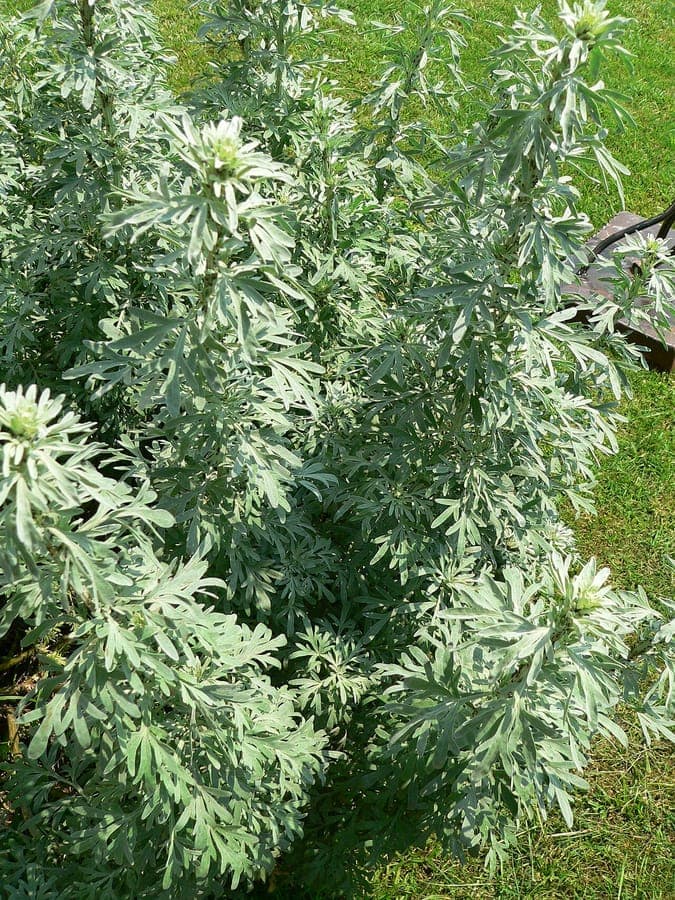
David Monniaux / CC BY-SA 3.0, via Wikimedia Commons
Absinthe: complete guide
Artemisia absinthium
Want to see Absinthe: complete guide in your garden?
1 minute, no credit card
Overview
Artemisia absinthium, commonly known as Absinthe, is a resilient perennial herb that brings texture, scent, and structure to the garden. Native to parts of Europe, Central Asia, and North Africa, this plant has been cultivated for centuries not only for its role in the infamous spirit but also for its ornamental and medicinal uses. In the garden, it's prized for its silvery foliage, drought tolerance, and ability to thrive in poor soils. It's a low-maintenance plant once established, making it a favorite among gardeners who prefer rugged, naturalistic designs. On gardenworld.app, you can design a garden layout where Absinthe complements other sun-loving perennials with contrasting textures.
Appearance & bloom cycle
Absinthe grows 2 to 4 feet tall (60–120 cm) with a spread of 1.5 to 2.5 feet (50–80 cm). It forms an upright, bushy clump with deeply lobed, fern-like leaves that are covered in fine white hairs, giving them a soft, silvery-gray appearance. The foliage is highly aromatic-rub a leaf and you'll get a sharp, slightly bitter scent reminiscent of anise or tarragon. From July to September, slender spikes of small, yellow-green flowers appear. They're not particularly showy, but they add subtle vertical interest and attract beneficial insects like hoverflies and lacewings. The plant remains structurally present through winter, adding architectural value to the dormant garden.
Ideal location
Absinthe thrives in full sun-aim for at least 6 to 8 hours of direct sunlight daily. While it can tolerate light shade, plants become leggy and prone to flopping. Good air circulation is crucial to prevent fungal issues, especially in humid climates. This plant excels in gravel gardens, dry borders, or herb gardens. Its strong visual presence makes it best planted in small groups or as a specimen. Pair it with plants like lavender, Russian sage, or ornamental grasses for a harmonious look. Use gardenworld.app to visualize how Absinthe fits into your garden's seasonal rhythm and color scheme.
Soil requirements
This plant isn't fussy about soil fertility but demands excellent drainage. Heavy clay soils should be amended with coarse sand or gravel. A sandy or loamy soil with a pH between 6.0 and 7.5 is ideal. Avoid rich, heavily amended beds-Absinthe actually performs better in lean, infertile conditions. Adding compost or manure can lead to excessive, weak growth and a shorter lifespan. When planting, ensure the crown sits slightly above soil level to prevent rot.
Free design
Want to see Absinthe: complete guide in your garden? Make a free design now.
Watering
Young plants need regular watering during their first growing season-about once a week in dry spells. Use deep, infrequent watering to encourage deep root development. Once established, Absinthe is extremely drought-tolerant and rarely needs supplemental irrigation. Overwatering is the main cause of failure. Water only during prolonged droughts, and always at the base to keep foliage dry and reduce disease risk.
Pruning
Pruning is essential for longevity and vigor. In early spring, before new growth emerges (late March to early April), cut back all old stems to about 4–6 inches (10–15 cm) above ground. This prevents the plant from becoming woody and encourages dense, fresh foliage. Avoid pruning in fall-leaving the stems intact provides winter interest and protects the crown. Never cut into old wood, as it may not resprout.
Maintenance calendar
- January: Inspect crowns; remove any debris to prevent rot.
- February: Prepare tools for spring pruning.
- March: Cut back old growth; tidy around the base.
- April: New shoots appear; monitor for aphids.
- May: No feeding needed; check for slugs on young shoots.
- June: Drought check; water only if essential.
- July: Flowering begins; minimal care required.
- August: Peak bloom; deadheading optional.
- September: Flowers fade; seed heads may self-sow.
- October: Leave standing for winter structure.
- November: Clear fallen leaves; avoid mulching heavily.
- December: Dormant; no action needed.
Winter hardiness
Absinthe is hardy in USDA zones 4 to 9. In zone 8 and above, it reliably survives winter with no protection. The top growth dies back, but the roots remain alive. In colder zones, a light mulch can help, but avoid covering the crown-moisture retention here can lead to rot. Ensure the site stays dry during winter months.
Companion plants
Pair Absinthe with drought-tolerant perennials like Echinacea, Nepeta, or Salvia. Its silver foliage contrasts beautifully with purple blooms or golden grasses. It also works well in herb gardens alongside thyme, oregano, and sage. Avoid moisture-loving plants like hostas or astilbes. An added benefit: its strong scent deters deer, rabbits, and slugs, making it a practical companion for vulnerable plants.
Closing
Artemisia absinthium is a tough, reliable perennial that adds year-round interest with minimal effort. Its architectural form, aromatic foliage, and low water needs make it ideal for modern, sustainable gardens. You can find it at garden centres like B&Q, Wyevale, or local independents starting in April. Choose cultivars like 'Lambrook Silver' for a more compact, non-invasive option. Whether you're designing a cottage border or a gravel garden, Absinthe brings elegance and resilience. Use gardenworld.app to plan its placement and see how it enhances your garden's overall design.
Want to see Absinthe: complete guide in your garden? Make a free design now.
Upload a photo, pick a style, and get a photorealistic design with plant list in under a minute.
No credit card required


Similar plants
Calendula stellata: complete guide
Calendula stellata
Complete guide to Calendula stellata, the star-flowered marigold from Sicily: location, soil, watering and companion planting tips.
Korean chrysanthemum: complete guide
Chrysanthemum x rubellum
Chrysanthemum x rubellum is a hardy autumn perennial with single pink to copper flowers from August to November. Care and combinations.
Helianthus divaricatus: complete guide
Helianthus divaricatus
Helianthus divaricatus is a North American woodland sunflower with yellow summer blooms, ideal for naturalistic borders and shady edges.