
Kurt Stüber [1] / CC BY-SA 3.0, via Wikimedia Commons
Old-man: complete guide
Artemisia abrotanum
Want to see Old-man: complete guide in your garden?
1 minute, no credit card
Overview
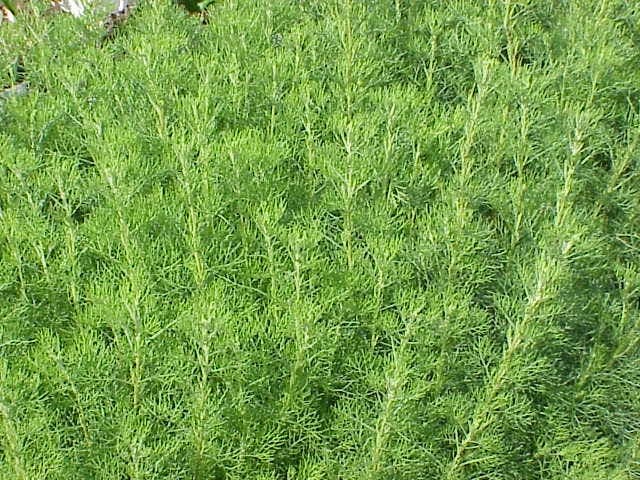
Old-man, or Artemisia abrotanum, doesn't grab attention with flashy flowers, but it earns its place in any garden through scent, texture, and resilience. Native to southern Europe - specifically France, Italy, and Spain - this shrubby perennial brings a touch of Mediterranean charm to UK and North American gardens. It's a member of the Asteraceae family, but unlike many of its relatives, it's grown for its foliage, not its blooms. The plant grows 60–80 cm tall and wide, forming a bushy, upright mound with soft, silvery-green leaves that release a sharp lemon scent when brushed.
Old-man thrives in full sun and well-drained soil, making it ideal for rock gardens, gravel beds, or herb borders. It rarely flowers in cooler climates, but when it does, small yellowish spikes appear in late summer. These aren't showy, but they do attract late-season pollinators. The plant is semi-evergreen in milder zones and dies back in harsh winters. On gardenworld.app, you can design a layout that matches Old-man's needs - sun exposure, spacing, and companion planting.
Appearance & bloom cycle
The foliage is the star. Leaves are finely dissected, almost feathery, and covered in fine hairs that give them a silvery sheen. They grow densely along upright stems, creating a compact, bushy form. The lemony fragrance is strongest on warm days or when touched - a real sensory treat in a garden path or border.
Flowering, when it occurs, happens from August to September. The flower spikes are slender and pale yellow, rising above the foliage. They aren't bred for cut flowers, but they do add subtle structure to late-season arrangements. Since flowering is sporadic, many gardeners simply trim the spikes off to keep the plant looking tidy and to encourage leaf production.
Ideal location
Old-man needs at least 7 hours of direct sunlight daily - think south or southwest-facing spots. It loves heat and airflow, so avoid damp, sheltered corners. In too much shade, the plant becomes leggy, loses scent, and is more prone to fungal issues.
It performs best in dry, open areas: rock gardens, raised beds, or as a low hedge in an herb garden. Avoid planting near water-loving perennials. If you're sketching a new border, use gardenworld.app to test sun patterns and microclimates before committing.
Soil requirements
Well-drained soil is non-negotiable. Old-man hates wet feet. A sandy or gravelly mix with a pH between 7.0 and 7.5 works best. If you have heavy clay, amend it with grit or coarse sand before planting. Avoid rich compost - too much fertility leads to floppy growth and weaker scent.
A top dressing of gravel helps reduce moisture around the crown and prevents rot. Never use organic mulch like bark - it holds moisture and invites disease.
Free design
Want to see Old-man: complete guide in your garden? Make a free design now.
Watering
Once established, Old-man is extremely drought-tolerant. In the first year, water weekly during dry spells - about 5–10 litres per plant. After that, it usually survives on rainwater alone.
Water at the base, not overhead. Wet foliage, especially in cool evenings, can trigger powdery mildew or root rot. In containers, ensure drainage holes are clear and empty saucers after rain.
Pruning
Prune hard in early spring (February to March) to maintain shape and prevent woodiness. Cut back all stems to 20–30 cm above ground. This encourages fresh, dense growth and stops the plant from becoming hollow and straggly.
Use sharp secateurs and remove any dead or damaged wood. The scent is strong during pruning - wear gloves if you're sensitive. Don't prune in autumn; it can trigger new growth that won't survive winter.
Maintenance calendar
- Jan: Check for winter damage; remove broken stems
- Feb: Begin pruning; tidy up old growth
- Mar: Finish pruning; watch for new shoots
- Apr: No action needed; monitor for pests
- May: Water only in extended droughts
- Jun: Ensure good airflow; avoid crowding
- Jul: No extra water required
- Aug: Flowering may start; observe pollinators
- Sep: Flowers fade; cut back if desired
- Oct: Clear fallen debris; avoid wet crowns
- Nov: No pruning; protect from heavy rain
- Dec: Dormant period; check for rot
Winter hardiness
Old-man is hardy in USDA zones 7–9 (-15°C to -7°C). In zone 6 or colder, the top growth may die back, but roots often survive if the soil stays well-drained. In wet winters, even zone 7 can be risky. A light mulch of gravel or straw helps, but remove it in spring to prevent rot.
In pots, move containers to a sheltered, frost-free spot over winter.
Companion plants
Pair Old-man with other sun-loving, drought-tolerant plants: lavender, sage, thyme, or sedum. Its silvery foliage contrasts beautifully with purple blooms like nepeta or salvia. Avoid moisture-loving plants like hostas or ferns.
In herb gardens, it makes a fragrant backdrop for basil or rosemary. In mixed borders, combine with echinacea, rudbeckia, or ornamental grasses.
Closing
Old-man isn't flashy, but it's a workhorse. It's low-maintenance, drought-proof, and full of character. You'll find it at garden centres in spring - look for healthy, bushy plants without yellowing leaves. Retailers like OBI and Hornbach in Germany, Truffaut in France, or local garden centres in the UK often stock it, sometimes under 'Lemon Sage' or 'Southernwood'. Always ask for the botanical name to be sure.
If you're unsure where to place it, try the garden planner on gardenworld.app. It helps you visualise spacing, light needs, and plant pairings before you buy.
Want to see Old-man: complete guide in your garden? Make a free design now.
Upload a photo, pick a style, and get a photorealistic design with plant list in under a minute.
No credit card required


Similar plants
Calendula stellata: complete guide
Calendula stellata
Complete guide to Calendula stellata, the star-flowered marigold from Sicily: location, soil, watering and companion planting tips.
Korean chrysanthemum: complete guide
Chrysanthemum x rubellum
Chrysanthemum x rubellum is a hardy autumn perennial with single pink to copper flowers from August to November. Care and combinations.
Helianthus divaricatus: complete guide
Helianthus divaricatus
Helianthus divaricatus is a North American woodland sunflower with yellow summer blooms, ideal for naturalistic borders and shady edges.