
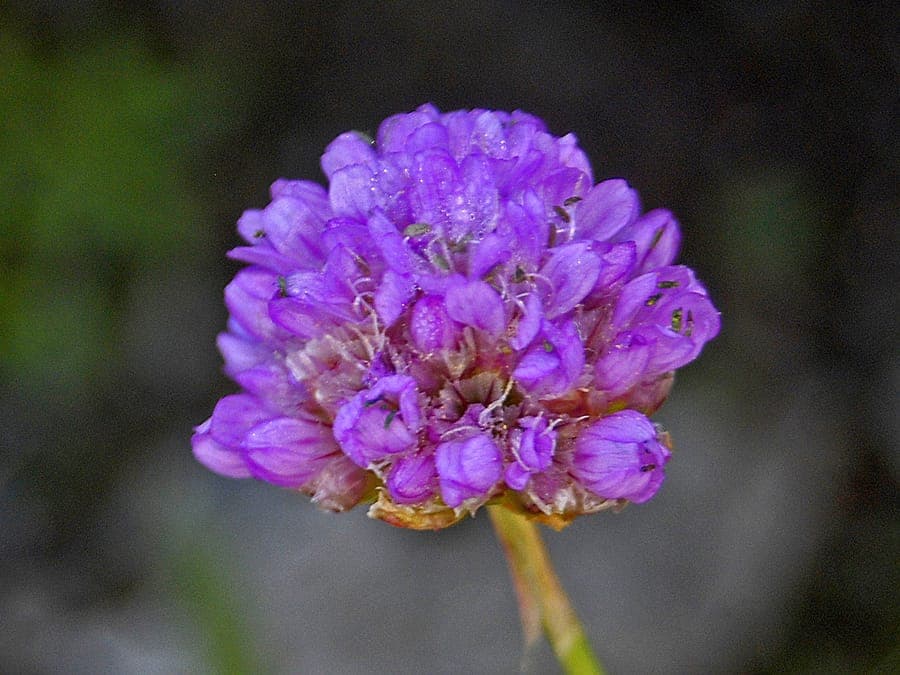
Hectonichus / CC BY-SA 3.0, via Wikimedia Commons
Alpine Thrift: complete guide
Armeria alpina
Want to see Alpine Thrift: complete guide in your garden?
1 minute, no credit card
Overview
Armeria alpina, known as Alpine Thrift or Mountain Thrift, is a robust alpine species native to the Western Carpathians and northern Balkan peninsula. This compact, evergreen cushion-forming plant produces dense mats of fine grass-like foliage and displays striking pink to red flowers in late spring and early summer. Extremely winter hardy (USDA zones 3 to 8) with minimal care requirements, Armeria alpina is an excellent choice for challenging garden situations.
Across Europe, this species is beloved by alpine gardeners and rock garden enthusiasts for its resilience and reliable performance. Low growth habit and small footprint make it ideal for containers, gravel gardens, troughs, and as groundcover in mixed plantings. Once established, it thrives with minimal intervention.
Appearance and bloom
Armeria alpina forms dense, cushion-like mats of extremely fine, grass-like foliage typically reaching 5 to 10 cm in height. Leaves are dark green with delicate texture. Flowers emerge from May to July on thin, upright stems approximately 15 to 20 cm tall. Each flower consists of a dense, rounded flower head (capitulum) composed of many tiny individual florets in shades of pink, red, or occasionally white.
The flowering period is pronounced, typically lasting 4 to 8 weeks. After flowering, the plant produces seed heads that may self-distribute, allowing natural regeneration. The plant is evergreen to semi-evergreen depending on region and moisture conditions, providing winter interest.
Ideal location
Armeria alpina thrives in full sun to light partial shade. For optimal flowering and compact growth, full sun (minimum 6 hours daily) is strongly recommended. This species exhibits exceptional tolerance for windy sites and performs excellently on wind-exposed locations in mountainous terrain and rock gardens.
The plant adapts well to both open ground cultivation and container growing. In heavily shaded sites, growth becomes less compact and flowering is considerably reduced. Experience shows Armeria alpina flowers most prolifically in locations with excellent air circulation.
Soil
Soil composition is crucial for Armeria alpina success. The plant demands excellent drainage and cannot tolerate waterlogging or poor drainage. Ideal soil type is sandy loam or gritty substrate with minimal organic matter. pH can range from acidic (pH 4.5) to neutral (pH 7), though the plant prefers acidic conditions.
This species requires lean, nutrient-poor soil and deteriorates in rich garden soils. In gardens with heavy or wet soil, amending with sand or gravel to a depth of 15 to 20 cm is essential. Drainage improvement through raised beds or container cultivation is recommended for challenging sites.
Free design
Want to see Alpine Thrift: complete guide in your garden? Make a free design now.
Watering
Once established, Armeria alpina is extremely drought-tolerant. The plant requires only occasional watering, especially during dry spells or active growth. Excessive moisture causes root rot and fungal infections.
During the growing season (April to October), light watering every two weeks is sufficient if soil feels dry to touch. Winter moisture is unnecessary. Container-grown plants may need slightly more frequent watering than ground-grown specimens, but drainage must be impeccable.
Pruning
Armeria alpina requires minimal to no pruning. Deadheading spent flower heads may direct energy to additional growth, though this is optional. Overgrown or neglected plants benefit from light pruning in spring (March-April).
Seed heads can be removed if you wish to prevent spontaneous seeding. This task typically occurs in June or July. Heavy cutting back is unnecessary and potentially harmful.
Maintenance calendar
March-April: Check for winter damage, light pruning of dead material, feeding if required. May-July: Flowering period, regulate watering, optional deadheading of spent flowers. August-October: Remove seed heads if desired, prepare for dormancy. November-February: Winter rest, minimal care, frost protection for container plants.
Winter hardiness
Armeria alpina is extremely hardy throughout USDA zones 3 to 8. In very cold regions (below -30 degrees Celsius), mulch protection may be beneficial. The plant tolerates snow and ice well.
In warm zones (above zone 8), summer drought stress increases and moisture management becomes critical. In southern Europe, this species performs better at higher elevations with better air circulation. Container specimens can be overwintered in cold frames or unheated greenhouses.
Companion plants
Armeria alpina combines well with other alpine species including Saxifraga, Phlox subulata, Sempervivum, and dwarf Sedum varieties. Fine-leaved grasses like Festuca ovina and Carex also make good companions. Avoid nutrient-rich neighboring plants.
In rock gardens, dwarf conifers such as Picea pungens 'Montgomery' or Juniperus horizontalis complement this species beautifully. For quick effects, annual seed can be sown directly between Armeria mats.
Closing
Armeria alpina is an invaluable plant for gardeners seeking a winter-hardy groundcover for dry, sunny sites. This species requires minimal care and delivers reliable flowering season after season. In specialized alpine and rock gardens, Armeria alpina is indispensable. With appropriate location and soil preparation, this plant will perform dependably for many years.
Find this species at specialized alpine plant nurseries and online at major garden centres. Visit gardenworld.app for additional plant suggestions and design inspiration.
Want to see Alpine Thrift: complete guide in your garden? Make a free design now.
Upload a photo, pick a style, and get a photorealistic design with plant list in under a minute.
No credit card required


Similar plants
Limonium brassicifolium: complete guide
Limonium brassicifolium
Full guide to growing Limonium brassicifolium: ideal site, soil, watering and care tips for this rare Canary Islands sea lavender.
Many-headed Thrift: complete guide
Armeria multiceps
Full guide to Armeria multiceps, the Corsican many-headed thrift: pink globe flowers, dry rock garden culture, soil, care, and companion planting.
Spiny Thrift: complete guide
Armeria pungens
Everything about Armeria pungens: location, soil, care and planting combinations for this robust Mediterranean coastal plant.