
Hectonichus / CC BY-SA 3.0, via Wikimedia Commons
Pyrenean columbine: complete guide
Aquilegia pyrenaica
Want to see Pyrenean columbine: complete guide in your garden?
1 minute, no credit card
Overview
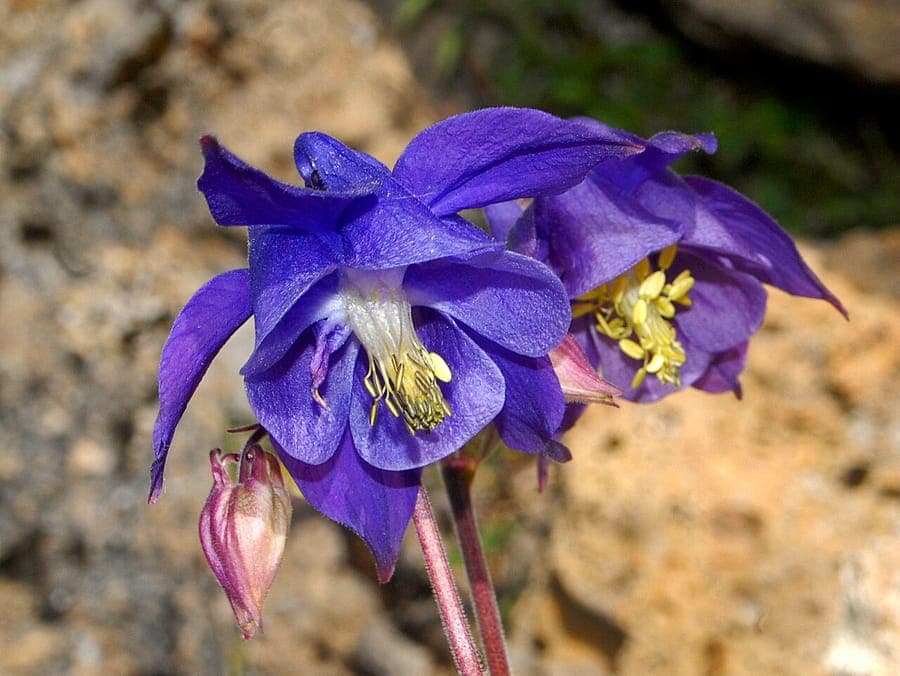
Aquilegia pyrenaica, commonly known as Pyrenean columbine, is a graceful perennial native to mountainous regions of France and Spain. Unlike many hybrids, this species keeps it simple - no flashy doubles or neon colors. What it offers instead is elegance: delicate blue flowers that dangle just above fern-like foliage, reaching heights of 30 to 50 cm. It thrives in USDA zones 5 to 8, making it a reliable performer across much of the UK and northern Europe. Hardy, modest, and long-lived when given the right conditions, it's a plant that earns its place in the border without demanding attention.
One of the quiet joys of growing this columbine is its self-seeding habit. It won't take over, but it will pop up in subtle places - between flagstones, near rock edges, or under shrubs. On gardenworld.app, you can design a planting scheme that accounts for natural drifts and seasonal changes, helping your Pyrenean columbine settle into the landscape just right.
Appearance & bloom cycle
The flowers of Aquilegia pyrenaica are a soft, sky-blue with subtle grey undertones, each about 3–4 cm across. They bloom from late May through June, with sparser flowering into early July. The spurred petals hang gracefully, giving the plant a light, dancing appearance in the breeze. Foliage is finely divided, dark green, and slightly glossy, forming basal rosettes that persist through much of the growing season.
After flowering, you'll notice seed pods forming. If you leave them, new seedlings often emerge the following spring. They're easy to move or thin out, so don't worry about overcrowding.
Ideal location
This columbine prefers partial shade - think dappled light under deciduous trees or the east-facing side of a shrub border. Full sun works only in cooler climates or if the soil stays consistently moist. Avoid hot, south-facing beds that dry out quickly, as the plant will struggle. It also dislikes exposed, windy spots, which can damage the slender flower stems.
For best results, shelter it from the harsh midday sun. A woodland edge or north-facing slope suits it well. On gardenworld.app, you can map shade patterns in your garden to find the perfect microclimate for your columbine.
Soil requirements
Aquilegia pyrenaica likes rich, well-drained soil with plenty of organic matter. Loam or sandy loam amended with compost is ideal. The pH should be slightly acidic to neutral (6.0–7.0). Heavy clay soils need improvement with grit or compost to prevent waterlogging, which this plant hates. Sandy soils should be boosted with humus to retain moisture.
Don't plant in compacted or nutrient-poor ground - the results will be stunted growth and fewer blooms.
Free design
Want to see Pyrenean columbine: complete guide in your garden? Make a free design now.
Watering
Water regularly during dry spells, especially in spring and early summer when flower buds are forming. Aim for deep, infrequent watering rather than daily sprinkles. Once established, the plant tolerates short dry periods, but prolonged drought reduces flowering.
Mulch lightly with leaf mould or compost in spring to conserve moisture and suppress weeds. Keep mulch away from the crown to prevent rot.
Pruning
Little pruning is needed. After blooming, cut back the flower stems to the base to tidy up the plant and prevent excessive self-seeding if desired. If you want it to seed naturally, leave a few stems standing.
Remove any damaged or diseased leaves with clean secateurs in late summer. Avoid cutting into the crown - this plant regenerates from the base each year.
Maintenance calendar
- Jan: Check crowns for heaving due to frost.
- Feb: Prepare soil for new plantings; add compost.
- Mar: Divide overcrowded clumps if needed.
- Apr: Watch for slugs; use organic deterrents.
- May: Water during dry spells; buds begin to form.
- Jun: Peak bloom; deadhead spent flowers.
- Jul: Seed pods develop; allow or remove as preferred.
- Aug: Let seedlings establish; reduce watering.
- Sep: Transplant volunteer seedlings to desired spots.
- Oct: Clear dead foliage; mulch lightly.
- Nov: No action needed.
- Dec: Protect young plants with a thin mulch in wet soils.
Winter hardiness
Hardy to USDA zone 5 (-29°C to -23°C), Aquilegia pyrenaica survives most winters without protection. In areas with wet, heavy soils, a light mulch of leaves or compost helps prevent crown rot. Avoid thick, smothering layers - this plant needs air circulation.
In colder zones (4), consider using a cloche or evergreen boughs for extra insulation. Avoid wet winter conditions above all.
Companion plants
Pair Pyrenean columbine with other partial shade lovers: Heuchera, Helleborus, Epimedium, or Carex species. Its blue flowers contrast beautifully with deep purple Geranium phaeum or white Tiarella. Ferns like Athyrium also complement its texture.
Avoid invasive groundcovers or plants with high water demands. The columbine needs space and consistent moisture without competition.
Closing
Pyrenean columbine is a quiet achiever - not flashy, but deeply satisfying. With the right spot and minimal care, it rewards you with years of late spring charm. Buy plants from garden centres in late spring, or order online from trusted suppliers. And before you plant, try visualising your design on gardenworld.app. It's a smart way to see how this columbine fits into your overall garden plan.
Want to see Pyrenean columbine: complete guide in your garden? Make a free design now.
Upload a photo, pick a style, and get a photorealistic design with plant list in under a minute.
No credit card required


Similar plants
Drummond's anemone: complete guide
Anemone drummondii
Discover Drummond's anemone (Anemone drummondii): a silvery-grey mountain plant for cool rock gardens and alpine troughs.
Korean clematis: complete guide
Clematis serratifolia
Clematis serratifolia is a hardy climber with fragrant yellow bell flowers in August-September. Pruning group 3, location and care tips.
Aquilegia brevistyla: complete guide
Aquilegia brevistyla
Discover Aquilegia brevistyla, the elegant North American columbine. Growing tips, shade tolerance, and design ideas for woodland and shadowed gardens.