
Tangopaso / Public domain, via Wikimedia Commons
Chinese amaranth: complete guide
Amaranthus tricolor
Want to see Chinese amaranth: complete guide in your garden?
1 minute, no credit card
Overview
Amaranthus tricolor, commonly known as Chinese amaranth, is a striking annual that brings bold color and texture to any garden. Native to tropical regions of South and Southeast Asia-including India, Laos, and Java-this plant thrives in warm climates and is increasingly popular in temperate gardens across Europe and North America. It's a fast grower, reaching maturity in just 6–8 weeks from seed, and performs well in garden beds, containers, and borders. You'll often find young plants at garden centres in late spring, especially at major retailers like B&Q, Wyevale, or local independents.
What sets Chinese amaranth apart is its dual role: it's both a decorative foliage plant and a nutritious leafy green. The young leaves are tender and slightly peppery, excellent in salads, stir-fries, or steamed dishes. Rich in iron and vitamins A and C, it's a valuable addition to edible gardens. On gardenworld.app, you can design a mixed ornamental-edible layout that integrates Chinese amaranth seamlessly into your space.
Appearance & bloom cycle
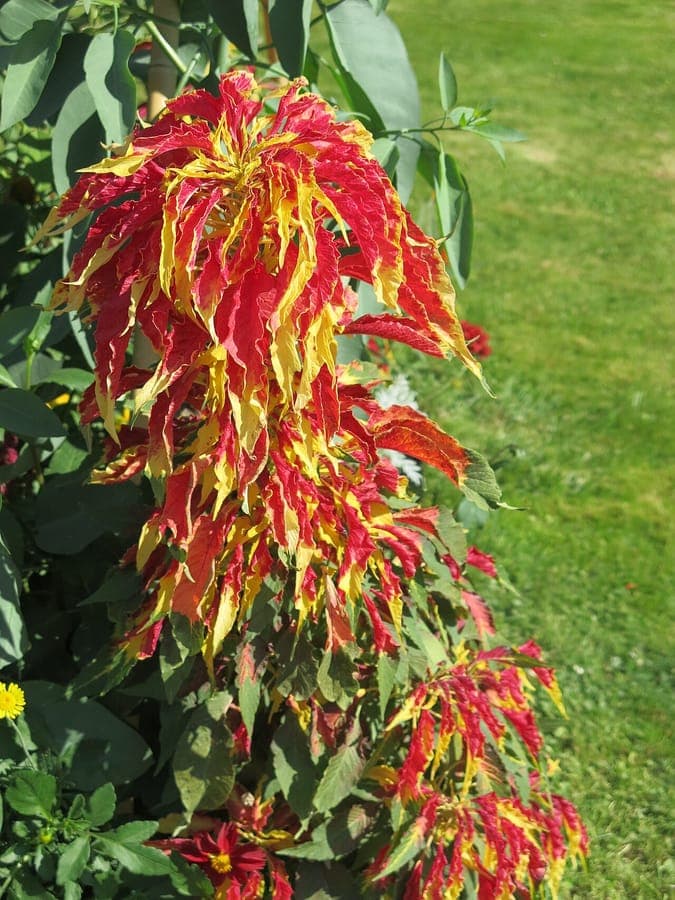
Chinese amaranth typically grows 60–90 cm tall, with some vigorous varieties reaching up to 100 cm. The plant has an upright, bushy habit with multiple stems and lance-shaped leaves that display a stunning gradient of colors-deep red, golden yellow, and bright green-often on the same plant. The intensity of color depends heavily on sunlight exposure; full sun brings out the richest hues.
Flowering occurs from July through October. The blooms are small, clustered in feathery, plume-like inflorescences at the tips of stems. They're usually pinkish or cream-colored and attract pollinators like bees and hoverflies. While not the main attraction, the flowers add softness to late-season arrangements.
Ideal location
Plant Chinese amaranth in full sun-minimum 6 hours of direct light daily-for optimal color development. It performs best in USDA hardiness zones 9–11 as a perennial, but in zones 3–8 it's grown as an annual, planted after the last frost date (typically late May to early June in the UK and northern Europe).
Use it as a backdrop in mixed borders, as a centerpiece in large containers, or in vegetable gardens for visual interest. It combines well with other sun-loving plants and adds a tropical feel to patios and decks. Avoid shady spots, as plants become leggy and lose vibrancy.
Soil requirements
Well-drained, fertile soil with a pH between 6.0 and 7.0 is ideal. Chinese amaranth tolerates a range of soil types but dislikes waterlogged conditions. If your soil is heavy clay, amend it with compost or coarse sand to improve drainage. A light mulch helps retain moisture and suppress weeds.
Before planting, mix in a balanced organic fertilizer or compost. Avoid high-nitrogen feeds, which can lead to excessive leafy growth at the expense of color intensity.
Free design
Want to see Chinese amaranth: complete guide in your garden? Make a free design now.
Watering
Water regularly, especially during dry spells and the first few weeks after planting. Keep the soil consistently moist but not soggy. In containers, check daily during hot weather-pots dry out quickly.
Water at the base to prevent fungal issues on foliage. Mulching helps reduce evaporation and keeps roots cool. Chinese amaranth is moderately drought-tolerant once established, but prolonged dry periods will cause leaf drop and reduced vigor.
Pruning
Pruning isn't essential, but pinching back the tips when plants are 15–20 cm tall encourages bushier growth and more branching. This also provides a supply of young, tender leaves for cooking.
Deadhead spent flower plumes if you want to prolong foliage production. Removing old or damaged leaves improves air circulation and reduces disease risk.
Maintenance calendar
- March–April: Start seeds indoors at 18–22°C. Use seed trays with moist, well-draining compost.
- May: Harden off seedlings. Transplant outdoors after frost risk has passed.
- June–July: Monitor for pests and water consistently. Begin harvesting young leaves.
- August–September: Enjoy peak color. Cut back leggy growth if needed.
- October: Plants die back after first frost. Remove and compost.
Use gardenworld.app to generate a personalized care calendar based on your location and planting date.
Winter hardiness
Chinese amaranth is not frost-hardy and dies at temperatures below 0°C. It's treated as an annual in temperate climates. No overwintering is possible or necessary. Collect seeds in late summer for next year's sowing, or buy fresh seed each spring.
Companion plants
Pair Chinese amaranth with other heat-loving, sun-tolerant plants. Good companions include zinnias, marigolds, celosia, and ornamental grasses like Pennisetum. The upright form contrasts well with trailing plants such as sweet potato vine or lobelia.
Avoid overcrowding-give each plant at least 30–40 cm of space. It also works well in vegetable plots alongside tomatoes, peppers, and eggplants, where its color adds visual appeal.
Closing
Chinese amaranth is a standout plant that bridges the gap between beauty and utility. With its vibrant foliage, ease of care, and edible value, it's a smart choice for modern gardens. Whether you're designing a bold summer display or expanding your edible plot, this amaranth delivers. Start seeds early or buy young plants from garden centres in late spring. For layout ideas and plant pairings, visit gardenworld.app and create a tailored garden plan.
Want to see Chinese amaranth: complete guide in your garden? Make a free design now.
Upload a photo, pick a style, and get a photorealistic design with plant list in under a minute.
No credit card required


Similar plants
Bassia laniflora (woolly summer-cypress): complete guide
Bassia laniflora
Full guide to Bassia laniflora: origin, appearance, ideal location, soil, watering and care for this drought-tolerant annual.
Suaeda spicata: complete guide
Suaeda spicata
Everything about Suaeda spicata (spiked seablite): a rare salt-tolerant coastal succulent from the western Mediterranean and Macaronesia.
California amaranth: complete guide
Amaranthus californicus
Full guide to California amaranth (Amaranthus californicus): growing tips, ideal location, soil needs, watering, and garden design ideas.