
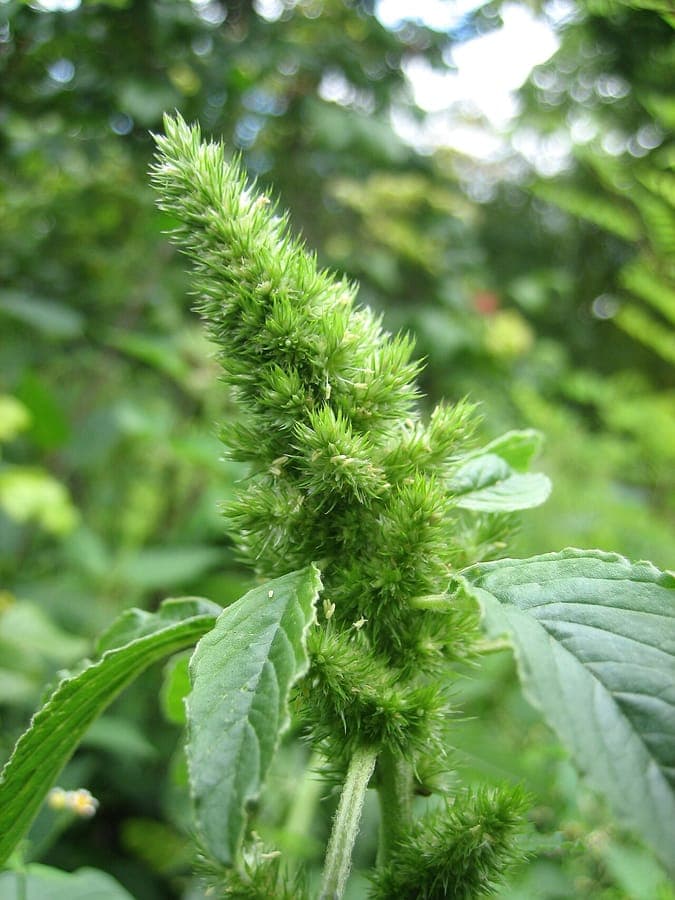
Lynk media / CC BY-SA 3.0, via Wikimedia Commons
Redroot: complete guide
Amaranthus retroflexus
Want to see Redroot: complete guide in your garden?
1 minute, no credit card
Overview
Redroot, or Amaranthus retroflexus, often shows up uninvited in gardens, driveways, and disturbed soils - and while many consider it a weed, it's worth reconsidering. This annual herb, native to central and southern Mexico, has naturalized across temperate zones, including the UK and northern Europe. It grows fast, spreads easily, and thrives where other plants struggle. Standing between 60 and 120 cm tall, it brings a bold, wild texture to the garden. If you're open to embracing a little chaos, Redroot can add seasonal drama without demanding much. On gardenworld.app, you can design a garden layout that embraces its self-seeding nature while keeping it in check.
Appearance & bloom cycle
Redroot develops dense, upright flower spikes that turn from green to reddish-brown as they mature. Blooming from July through October, the flowers resemble coarse plumes, giving the plant a rugged, architectural look. The leaves are oval, slightly hairy, and arranged alternately along the stem. The lower part of the stem and the root itself are often tinged red - hence the common name. Each plant can produce up to 100,000 seeds, which remain viable in the soil for years. This makes it a persistent plant, so plan your placement wisely.
Ideal location
Full sun is essential. Redroot needs at least 6–8 hours of direct sunlight daily to grow strong and bushy. It performs best in open, dry areas - think gravel beds, urban pavement cracks, or sunny borders. Avoid shaded or damp spots; it will stretch and weaken. It's perfect for informal or cottage-style gardens where a little wildness is welcomed. If you're designing a low-effort garden, check gardenworld.app for inspiration using Redroot as a filler in sunny zones.
Soil requirements
It thrives in poor, well-drained soils. Ideal conditions include sandy, gravelly, or loamy soils with a pH between 6.0 and 7.8. It tolerates compaction and disturbed ground, making it common in urban settings. Avoid heavy clay or waterlogged soils - they'll cause root rot. Unlike many garden plants, it doesn't benefit from rich compost; in fact, overly fertile soil may lead to floppy growth. A lean soil keeps it compact and resilient.
Watering
Once established, Redroot is highly drought-tolerant. Water young plants regularly for the first few weeks after germination to help roots form. After that, only water during prolonged dry spells, especially if rainfall is below 25 mm per week. Overwatering leads to weak stems and reduced flowering. Use rainwater if possible - tap water with high lime content may affect soil pH over time.
Free design
Want to see Redroot: complete guide in your garden? Make a free design now.
Pruning
Pruning isn't necessary, but you can pinch back the tips in early summer to promote bushier growth. To prevent spreading, cut off flower spikes before seeds mature, typically in late August or early September. If you want to collect seeds for next year, let a few spikes dry on the plant, then harvest when brown and brittle. Otherwise, leave it be - it requires almost zero intervention.
Maintenance calendar
January: Dormant. No action needed. February: Clear away old plant debris. Plan next season's layout. March: Start seeds indoors in pots at 18–22°C. Use well-draining seed compost. April: Harden off seedlings. Plant outdoors after last frost (typically late April in USDA zones 7–8). May: Direct sow in garden beds. Space plants 30 cm apart. June: Watch for seedlings. Thin if too dense. July: Flowers emerge. Monitor for leggy growth in shade. August: Peak bloom. Deadhead if you want to limit spread. September: Seeds ripen. Harvest or mow down to prevent self-seeding. October: Final flowers fade. Cut back or leave for winter interest. November: Remove dead plants. December: Garden rest period.
Winter hardiness
Redroot is a true annual and does not survive winter. It dies with the first hard frost, usually in November. However, its seeds overwinter in the soil and germinate the following spring when temperatures reach 15°C. It's hardy in USDA zones 3–11 as a self-seeding plant, meaning it reliably returns in the same spots year after year. No mulching or protection is needed.
Companion plants
Pair Redroot with other sun-loving, low-fertility-tolerant plants. Good matches include zinnias, marigolds, and ornamental grasses like Bouteloua. It also works alongside native forbs such as black-eyed Susan (Rudbeckia) or coreopsis. Avoid pairing with aggressive spreaders like mint or ground ivy. For garden centres in the UK, look for compatible drought-tolerant species at local suppliers.
Closing
Redroot isn't for the pristine garden, but it's perfect for those who appreciate resilience and spontaneity. It asks for little and gives bold texture and seasonal interest. Just be prepared to manage its spread. Let it grow where you won't mind a few surprises next year. And if you're unsure where it fits in your space, try sketching a custom plan on gardenworld.app - it's the easiest way to test wild plants in your design before they take root.
Want to see Redroot: complete guide in your garden? Make a free design now.
Upload a photo, pick a style, and get a photorealistic design with plant list in under a minute.
No credit card required


Similar plants
Bassia laniflora (woolly summer-cypress): complete guide
Bassia laniflora
Full guide to Bassia laniflora: origin, appearance, ideal location, soil, watering and care for this drought-tolerant annual.
Suaeda spicata: complete guide
Suaeda spicata
Everything about Suaeda spicata (spiked seablite): a rare salt-tolerant coastal succulent from the western Mediterranean and Macaronesia.
California amaranth: complete guide
Amaranthus californicus
Full guide to California amaranth (Amaranthus californicus): growing tips, ideal location, soil needs, watering, and garden design ideas.