
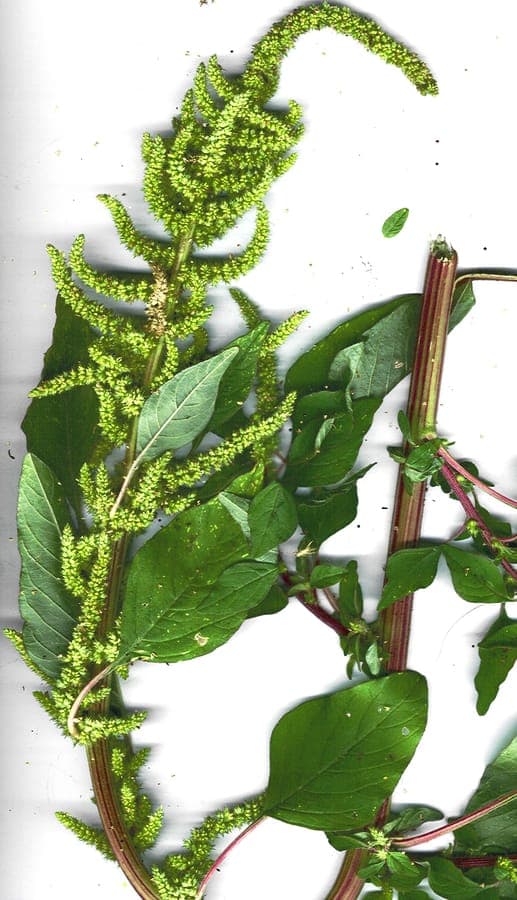
Forest & Kim Starr / CC BY 3.0, via Wikimedia Commons
Amaranthus dubius: complete guide
Amaranthus dubius
Want to see Amaranthus dubius: complete guide in your garden?
1 minute, no credit card
Overview
Amaranthus dubius, also known as spleen amaranth, bleda, or pira, is a nutrient-dense vegetable and ornamental plant from the Amaranthaceae family. This annual plant is native to tropical and subtropical regions of Africa, Asia, and America. The plant is prized for its extremely nutritious leaves, comparable to spinach, and for spectacular flowers in shades of deep purple to red.
The plant grows rapidly in warm conditions and can mature from seed to harvest within months. It's particularly popular in Africa and Asia as a nutritious vegetable and is increasingly recognized in Europe for its nutritional value. Though preferring heat, it also grows in temperate European climates, especially when sown late in the season.
Appearance and bloom
Amaranthus dubius grows as a compact to medium-sized plant, usually 60 to 90 centimeters tall. Leaves are predominantly green, sometimes with purplish veining or tints depending on growing conditions and variety. Leaves are oblong-oval, approximately 5 to 10 centimeters long, tender, and edible.
The flowers are the most striking feature. They grow in long, hanging or upright inflorescences (called amaranthe) in colors ranging from deep purple to bright red. These inflorescences can reach 10 to 20 centimeters long and are highly decorative.
The plant produces numerous tiny black to golden seeds, depending on variety.
Ideal location
Amaranthus dubius grows best in full sun with at least 6 hours direct light daily. In very warm climates (southern France, Italy), the plant appreciates afternoon shade to prevent excessive heat stress.
Temperature is critical. The plant grows optimally between 20 and 30 degrees Celsius. Below 15 degrees, growth virtually stops and leaf drop occurs. The plant is very frost-tender and cannot overwinter in temperate climates.
Choose a sheltered spot with good air circulation, but protect young plants from very strong wind damage.
Soil
Amaranthus dubius thrives in almost all garden soils provided drainage is reasonable. The plant isn't demanding about soil chemistry but grows faster in richer, nutrient-rich soil. Heavy clay can cause problems, so add sand if needed.
Add compost or well-rotted manure for improved nutrition. The plant responds well to moderate feeding. Excess nitrogen promotes leaf growth at the expense of flowers. An ideal mix for bedding consists of 50% garden soil, 30% compost, and 20% sand.
Free design
Want to see Amaranthus dubius: complete guide in your garden? Make a free design now.
Watering
Water Amaranthus dubius regularly, especially when actively growing. Soil should remain moist but never waterlogged. Water when the top 2 centimeters feel dry.
In very hot, dry conditions, daily watering may be necessary. Ensure water drains well from the growing bed. Mulch around the plant with 5 to 7 centimeters of organic matter to promote moisture retention and keep root temperature cool.
Once you begin harvesting leaves, water slightly less; the plant concentrates energy on new growth rather than flowering.
Pruning and harvesting
Begin harvesting leaves once the plant reaches about 30 centimeters tall. Gently pinch off the top 15 to 20 centimeters of the stem; this stimulates lateral branching and creates a fuller plant.
Continuous leaf harvesting prevents flowering. If you want flowers, stop harvesting once the first flower spikes appear. The plant can be harvested multiple times during the growing season, providing much greater leaf yield than allowing full maturation.
Maintenance calendar
May to June: Sow seed after last frost. Space out plants 30 centimeters apart. Begin light watering.
July to August: Peak growth. Water regularly (nearly daily in hot periods). Weekly feeding. Begin leaf harvesting.
September to October: Reduce feeding. Flowers appear. Watering still important. Leaf harvesting can continue.
November: Plant flowers and sets seed. Water can be reduced. Plant dies with first frost.
Winter hardiness
This plant is completely frost-tender and cannot tolerate temperatures below 5 degrees Celsius. Treat it as an annual in temperate climates. The plant dies at first frost. You can save seed for next season or purchase new seed.
In very warm climates (south of Lyon in France), the plant may self-seed and reappear next season.
Companion plants
Amaranthus dubius grows well alongside other warm-loving vegetable crops:
- Okra
- Eggplant
- Sweet potato
- Other amaranth varieties
The plant is ornamental enough to grow in flower borders alongside blooming plants. The striking flower spikes contrast beautifully with lighter-colored flowers.
Closing
Amaranthus dubius is a nutritious, delicious, and beautiful plant easily grown in warm European summers. It provides continuous harvests of extremely nutritious leaves, with beautiful flowers as a bonus. The plant grows quickly from seed, making it ideal for gardeners wanting rapid results. Plant in May or June in warm soil and you'll harvest green leaves by July. Garden centers stock seed regularly. With warmth, water, and sun, this plant will provide abundant nutrition in limited space.
Want to see Amaranthus dubius: complete guide in your garden? Make a free design now.
Upload a photo, pick a style, and get a photorealistic design with plant list in under a minute.
No credit card required


Similar plants
Bassia laniflora (woolly summer-cypress): complete guide
Bassia laniflora
Full guide to Bassia laniflora: origin, appearance, ideal location, soil, watering and care for this drought-tolerant annual.
Suaeda spicata: complete guide
Suaeda spicata
Everything about Suaeda spicata (spiked seablite): a rare salt-tolerant coastal succulent from the western Mediterranean and Macaronesia.
California amaranth: complete guide
Amaranthus californicus
Full guide to California amaranth (Amaranthus californicus): growing tips, ideal location, soil needs, watering, and garden design ideas.