
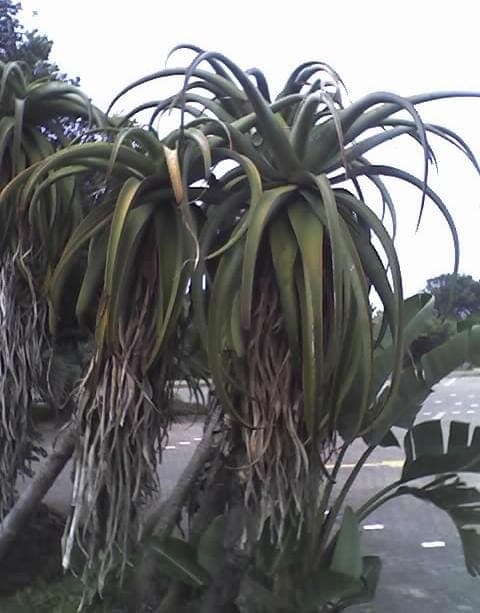
M. Purves (Michaelwild at en.wikipedia) / CC BY-SA 3.0, via Wikimedia Commons
Dune Aloe: complete guide
Aloe thraskii
Want to see Dune Aloe: complete guide in your garden?
1 minute, no credit card
Aloe thraskii, commonly known as Dune Aloe or Strand Aloe, is a rare and fascinating succulent plant native to the coastal regions of South Africa. Named after its natural habitat along the sandy dunes from the Cape to KwaZulu-Natal, this species is increasingly popular among plant collectors despite being threatened in the wild. With the right care, this striking plant can thrive in gardens and homes throughout the UK and beyond.
The Dune Aloe is celebrated for its distinctive appearance and remarkable adaptations to extreme environmental conditions. With its thick, grey-green foliage and stately growth habit, it makes a stunning focal point in any succulent collection. The plant produces tall flower spikes bearing bright yellow blooms, particularly during late spring and early summer, showcasing nature's clever design for dry climates.
This plant typically reaches heights of one to two metres under ideal conditions. The fleshy leaves, arranged in dense rosettes, store substantial amounts of water, making Aloe thraskii exceptionally drought-tolerant. This is a major advantage for those living in dry homes or who travel frequently, as the plant can survive weeks without water. The grey-green colouration of the foliage provides a sophisticated aesthetic that works beautifully in contemporary and minimalist garden designs.
For optimal growth, position your Dune Aloe in a location receiving abundant direct sunlight. This plant requires at least six hours of direct sun daily. While this aloe thrives in tropical conditions abroad, it grows well in pots on sunny terraces or balconies in the UK. Select a south-facing location whenever possible, especially during winter when daylight is limited. In shaded spots, the plant becomes pale and stretches toward light, resulting in an unattractive form.
Soil requirements are critical for success. Standard potting compost is unsuitable; you need cactus or succulent-specific compost, or a mixture of regular potting soil with sand and perlite in roughly equal proportions. This prevents root rot, the greatest threat to aloe plants. Ensure all pots have drainage holes at the base. If planting in the garden, create raised beds with the same soil mixture to prevent waterlogging.
Watering is probably the most critical aspect of Dune Aloe care. Overwatering is the primary cause of plant death in this species. During the growing season (May to September), water sparingly, waiting until the soil is completely dry before watering again. This typically means only once weekly or less, depending on weather conditions. In winter, when growth slows, water far less frequently, sometimes not at all if kept in a cool location. Always water directly onto the soil, never onto the foliage, which can cause rot.
Pruning is not strictly necessary, as Aloe thraskii naturally develops an attractive form. You can remove dead or damaged leaves to maintain plant health. If the plant becomes too large, you can carefully remove the top portion, encouraging new growth. This is best done in spring at the beginning of the growing season.
A maintenance calendar helps keep your Dune Aloe healthy year-round. May through September is the growing season: check soil weekly and water moderately when dry. October through April is dormancy: provide plenty of light and minimal water. Repot every two years in spring with fresh, well-draining compost. Nutrients are not essential, but you can apply a very diluted succulent fertiliser monthly during the growing season.
Aloe thraskii tolerates fairly low temperatures for a tropical plant, generally down to around 10 degrees Celsius. However, it prefers temperatures above 15 degrees. In the UK, this means bringing the plant indoors for winter unless you live in a very mild climate. Protect the plant from frost and strong winds, which can damage the foliage.
Companion plants that pair beautifully with Dune Aloe include other succulents such as Echeveria, Sedum, and Jade plants. These share the same water and care requirements, making them easy to combine in decorative arrangements. Colour contrasts work well: the grey-green aloe looks stunning against red or purple succulents.
In the UK and Europe, you can source Dune Aloe from specialist nurseries focussing on succulents and exotic plants. Major garden centres also stock quality specimens. Online succulent retailers offer excellent selections. Always check that the plant appears healthy and sturdy before purchase. On gardenworld.app you'll discover more information about sustainable garden plants, and the platform helps you select other succulents that pair beautifully with your Dune Aloe. Place your aloe in a sunny spot and watch it flourish!
With proper care, particularly abundant sunshine and minimal water, your Aloe thraskii will develop into an impressive, healthy specimen that transforms your garden or home. Consult gardenworld.app regularly for tips on garden planning and plant combinations that make the most of your space and climate conditions.
Want to see Dune Aloe: complete guide in your garden? Make a free design now.
Upload a photo, pick a style, and get a photorealistic design with plant list in under a minute.
No credit card required


Similar plants
Aloe castanea: complete guide
Aloe castanea
Discover Chestnut aloe, a South African succulent. Growth, nutrition, and garden integration for warm climates and container culture.
Aloe pratensis: complete guide
Aloe pratensis
Learn how to grow Meadow aloe, a South African succulent. Nutrition, propagation, and front yard integration for warm climates or containers.
Pretoria aloe: complete guide
Aloe pretoriensis
Discover Aloe pretoriensis, an elegant South African succulent with striking red blooms. Learn care tips, ideal conditions, and companion planting for this hardy, drought-tolerant plant.