
JonTheSucculentDude / CC BY-SA 4.0, via Wikimedia Commons
Aloe rupestris: complete guide
Aloe rupestris
Want to see Aloe rupestris: complete guide in your garden?
1 minute, no credit card
Overview
Aloe rupestris, commonly known as Thicket aloe, Bottle-brush aloe, or Rock aloe, is an impressive succulent belonging to the Asphodelaceae family. This South African native distinguishes itself through spectacular bottle-brush-like flower spikes that make it a favorite among plant enthusiasts. The plant grows slowly but eventually forms a remarkable, flower-laden specimen.
Native to Mozambique, KwaZulu-Natal, and Eswatini (formerly Swaziland), Aloe rupestris thrives in rocky terrain and dry bushland. This plant is particularly well-suited for xeriscape gardens and collectors seeking something truly special and visually striking.
Appearance and Bloom
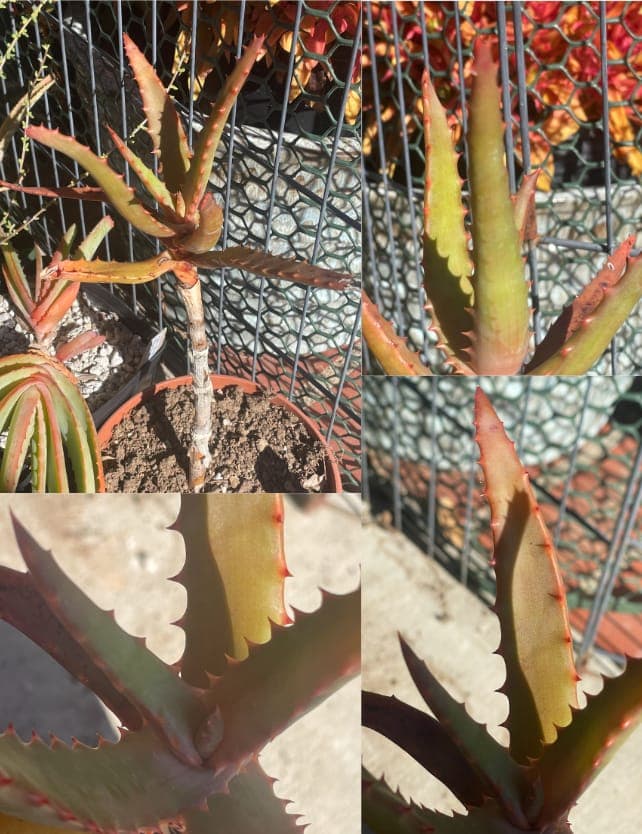
Aloe rupestris develops a dense rosette of long, grayish-green leaves. The leaves are fairly thick and feature small serrations along their margins. The plant typically reaches about 1.5 meters in height and often branches multiple times, giving it a more bushy appearance than many other aloe varieties.
The flowers are the spectacular highlight of this succulent. They appear in long, characteristic bottle-brush-like inflorescences colored yellow to golden-yellow. These blooms typically emerge from winter through early spring and may persist for several months. The inflorescences are compact and densely packed with small flowers that attract pollinators.
Ideal Location
Aloe rupestris grows best in very sunny positions. Choose a location receiving at least 6-8 hours of direct sunlight daily. Full sun exposure results in the most abundant flower production and compact growth.
The plant is remarkably heat-tolerant and handles intense afternoon sun without difficulty. Even in very hot regions, it flowers prolifically in full exposure. Indoors on a bright windowsill ensures excellent growth as long as light is maximized.
Avoid shaded locations, as these result in reduced flowering and etiolation (stretching). A location with good air circulation is ideal, though protection from extreme winds is beneficial.
Soil
Well-draining soil is essential. Always use cactus or succulent potting mix, optionally enriched with additional perlite, gravel, or coarse sand. The soil pH should be slightly acidic to neutral (pH 6-7).
Homemade mix: combine 60% quality cactus/succulent compost with 40% additional coarse materials such as perlite, pumice, or coarse sand. This ensures rapid drainage. When growing in containers, provide sufficient drainage holes.
For outdoor bed cultivation, improve native soil by incorporating grit or coarse sand. Aloe rupestris tolerates nutrient-poor soils well as long as drainage remains optimal.
Free design
Want to see Aloe rupestris: complete guide in your garden? Make a free design now.
Watering
Aloe rupestris is extremely drought-tolerant. Follow the classic succulent watering pattern: "soak and dry." Water thoroughly during the growing season, but allow soil to dry completely between waterings.
Watering schedule: during the active growing season (April-September), water every 2-3 weeks depending on rainfall and soil moisture. In winter (October-March), minimize watering significantly. Always check that soil feels dry before watering again.
Excessive moisture is the greatest danger for this succulent. Root rot develops quickly in wet soils. When in doubt, underwater rather than overwater. Rainwater is preferable as it contains no harmful minerals.
Pruning
Aloe rupestris requires minimal pruning work. Remove only dead, damaged, or diseased leaves at the base. Use a clean, sharp knife to prevent infections.
If the plant becomes too large and you wish to keep it more compact, carefully remove older outer leaves. Sap will flow from cut wounds but dries quickly. Allow the plant several days to heal before resuming watering.
You can remove spent flower spikes, though this isn't necessary. This may conserve energy for future blooming.
Maintenance Calendar
Spring (March-May): Begin watering as temperatures rise. Check for pests and disease. Remove dead leaves. This is the time for repotting and propagation.
Summer (June-August): Water regularly with drying periods between. Monitor birds and insects. Enjoy the first blooms.
Autumn (September-November): Gradually reduce watering. Check leaves for health. Clean the plant before moving to winter quarters.
Winter (December-February): Minimal watering. This is the flowering period. Protect from frost. Weekly pest checks recommended.
Winter Hardiness
Aloe rupestris is not frost-hardy in temperate climates. The plant dies when exposed to temperatures below 5-7 degrees Celsius. In the UK, Northern Europe, and northern France, it must be moved to protected locations for winter.
Optimal overwintering temperature ranges from 8-15 degrees Celsius. An unheated greenhouse, conservatory, or cool room works well. Provide ample light even in winter, though water must be drastically reduced.
In warm climates (Mediterranean regions, coastal areas), it can remain outdoors if protected from frost and heavy rain.
Companion Plants
Aloe rupestris combines beautifully with other drought-tolerant species. Plant alongside Aloe vera, Euphorbia trigona, and Echeveria for a stunning xeriscape composition.
In a succulent collection, this specimen with its spectacular flower spikes is an absolute must-have.
Closing
Aloe rupestris is an excellent choice for gardeners seeking not only form but also color and flowering abundance. With its characteristic bottle-brush yellow flowers and slow growth, this plant represents a long-term investment in beauty. Follow the outlined tips for full sun, fast-draining soil, and minimal watering, and you'll enjoy this magnificent flowering succulent for years to come. Find it at specialty nurseries or visit gardenworld.app to discover how our designers can help integrate Aloe rupestris into your dream garden.
Want to see Aloe rupestris: complete guide in your garden? Make a free design now.
Upload a photo, pick a style, and get a photorealistic design with plant list in under a minute.
No credit card required


Similar plants
Aloe castanea: complete guide
Aloe castanea
Discover Chestnut aloe, a South African succulent. Growth, nutrition, and garden integration for warm climates and container culture.
Aloe pratensis: complete guide
Aloe pratensis
Learn how to grow Meadow aloe, a South African succulent. Nutrition, propagation, and front yard integration for warm climates or containers.
Pretoria aloe: complete guide
Aloe pretoriensis
Discover Aloe pretoriensis, an elegant South African succulent with striking red blooms. Learn care tips, ideal conditions, and companion planting for this hardy, drought-tolerant plant.