
Stan Shebs / CC BY-SA 3.0, via Wikimedia Commons
Broadleaf aloe: complete guide
Aloe maculata
Want to see Broadleaf aloe: complete guide in your garden?
1 minute, no credit card
Overview
Aloe maculata, commonly known as Broadleaf aloe, is a bold, architectural succulent that adds year-round structure to dry, sunny gardens. Native to South Africa's Cape Provinces, Free State, KwaZulu-Natal, Lesotho, and Northern Provinces, it thrives in well-drained conditions and brings tropical flair even in milder temperate zones. While not fully hardy in colder regions, it adapts well to container growing and seasonal outdoor display.
Mature plants reach 40–60 cm in height with a spread of about 50 cm. Growth is slow to moderate, forming tight rosettes over time. Unlike many aloes, this species spreads via stolons, slowly forming small colonies. It's ideal for modern, minimalistic designs or as a focal point in rock gardens.
Using gardenworld.app, you can visualise how Aloe maculata fits into your garden layout, pairing it with complementary textures and drought-resistant companions.
Appearance & bloom cycle
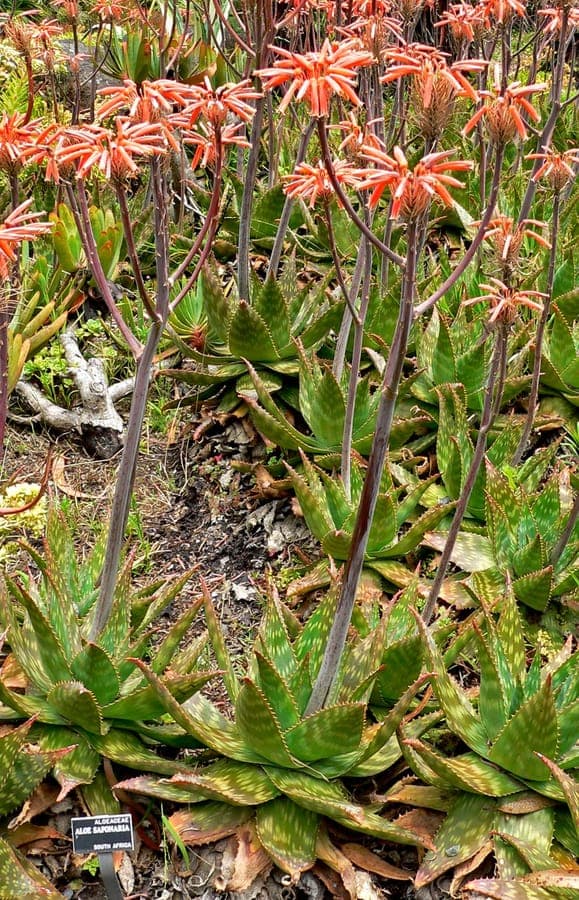
The leaves are broad, fleshy, and arranged in a spiral rosette. They're typically dark green with pale green or white mottling, especially prominent in younger plants. With age and full sun exposure, the spotting may fade. Leaf margins bear small, hooked reddish-brown teeth, adding both protection and visual interest.
Flowering occurs from late winter to early spring-typically February through April in the UK and similar climates. Flower spikes rise 60–90 cm tall, bearing dense, upright racemes of tubular orange to red-orange blooms. These attract pollinators like bees and sunbirds, adding life to otherwise quiet garden corners.
After blooming, seed capsules may form, though this is less common in cooler climates. The plant occasionally produces offsets at the base, which can be potted up in summer.
Ideal location
Full sun is essential-aim for at least 6 hours of direct sunlight daily. In shaded areas, the plant becomes leggy, loses its compact form, and is more prone to rot. A south- or southwest-facing wall, patio, or raised bed works best, offering warmth and quick drainage.
Avoid damp borders or low-lying areas where water collects. In colder zones, grow in containers so you can move the plant indoors when temperatures drop. Check microclimates in your garden on gardenworld.app to find the sunniest, driest spots for your succulents.
Soil requirements
The soil must be free-draining. A mix of horticultural grit, perlite, and loam-based compost (like John Innes No. 2) with extra sand works well. Avoid moisture-retentive peat or rich organic soils.
The ideal pH range is 6.0–7.5. If planting in heavy clay, raise the bed or use a mound technique with added gravel. Poor drainage is the number one killer of aloes in temperate gardens.
Free design
Want to see Broadleaf aloe: complete guide in your garden? Make a free design now.
Watering
Water only when the top 3–5 cm of soil is dry. During active growth (April–September), this means every 10–14 days, depending on weather. In winter, reduce watering to once a month or less-especially if kept cool and dormant.
Always water at the base to avoid wetting the rosette, which can lead to rot. Use rainwater if possible, as tap water can leave lime deposits on leaves.
Pruning
Minimal pruning needed. Remove dead, yellowed, or damaged leaves with a clean, sharp knife. Cut close to the base without disturbing the central crown. Do not use leaf cuttings for propagation-this species rarely roots from leaves.
After flowering, you can trim the spent flower stalk to tidy up the plant, but it's not essential.
Maintenance calendar
- Jan: Keep dry. Protect from frost. Water sparingly.
- Feb: Flowering begins. Monitor for aphids.
- Mar: Peak bloom. Ensure good air circulation.
- Apr: Flowers fade. Cut back stalks. Move outdoors after frost risk.
- May: Resume light watering. No feeding.
- Jun: Check for pests. Avoid overwatering in humid spells.
- Jul: Maintain dry conditions. Ideal for outdoor display.
- Aug: Continue regular checks.
- Sep: Reduce watering gradually.
- Oct: Bring indoors if night temps drop below 5°C.
- Nov: Enter dormancy. Stop watering.
- Dec: Keep cool and dry. Minimal care.
Winter hardiness
Aloe maculata is hardy to USDA zone 9 (-7°C), meaning it won't survive prolonged freezing in most of the UK or northern Europe. For outdoor success, you'll need a sheltered spot with winter protection, such as a greenhouse or cold frame. Most gardeners grow it in pots for seasonal use.
Overwinter in a bright, cool location-like a sunroom or unheated conservatory-not a warm living room.
Companion plants
Pair with other drought-tolerant species: Sedum spectabile, Echeveria, or Agave parryi. Low-growing groundcovers like Delosperma or Phormium 'Cream Delight' provide contrast. Avoid moisture-loving plants like ferns or hostas.
For a Mediterranean vibe, include potted olive trees, rosemary, or lavender.
Closing
Aloe maculata isn't for every garden, but for those seeking bold form, minimal care, and early-season colour, it's a standout. Its sculptural presence and winter blooms make it a conversation starter.
Find healthy specimens at local garden centres-look for firm, upright rosettes with no signs of mushiness. With proper placement and care, this aloe can thrive for years. For design ideas, explore gardenworld.app and plan a drought-smart garden that shines in all seasons.
Want to see Broadleaf aloe: complete guide in your garden? Make a free design now.
Upload a photo, pick a style, and get a photorealistic design with plant list in under a minute.
No credit card required


Similar plants
Aloe castanea: complete guide
Aloe castanea
Discover Chestnut aloe, a South African succulent. Growth, nutrition, and garden integration for warm climates and container culture.
Aloe pratensis: complete guide
Aloe pratensis
Learn how to grow Meadow aloe, a South African succulent. Nutrition, propagation, and front yard integration for warm climates or containers.
Pretoria aloe: complete guide
Aloe pretoriensis
Discover Aloe pretoriensis, an elegant South African succulent with striking red blooms. Learn care tips, ideal conditions, and companion planting for this hardy, drought-tolerant plant.