
Wikimedia Commons / Public domain, via Wikimedia Commons
Andean Alder (Alnus acuminata): complete guide
Alnus acuminata
Want to see Andean Alder (Alnus acuminata): complete guide in your garden?
1 minute, no credit card
Overview
Alnus acuminata, known as Andean alder or aliso, is a fast-growing deciduous tree native to Mexico and Central and South America. This tree is unique for its ability to fix nitrogen from the atmosphere via bacterial symbiosis, making it exceptionally valuable in forest restoration projects. In temperate European zones, this tree grows well and forms a useful addition to mixed woodlands and hedgerows.
Appearance and Growth
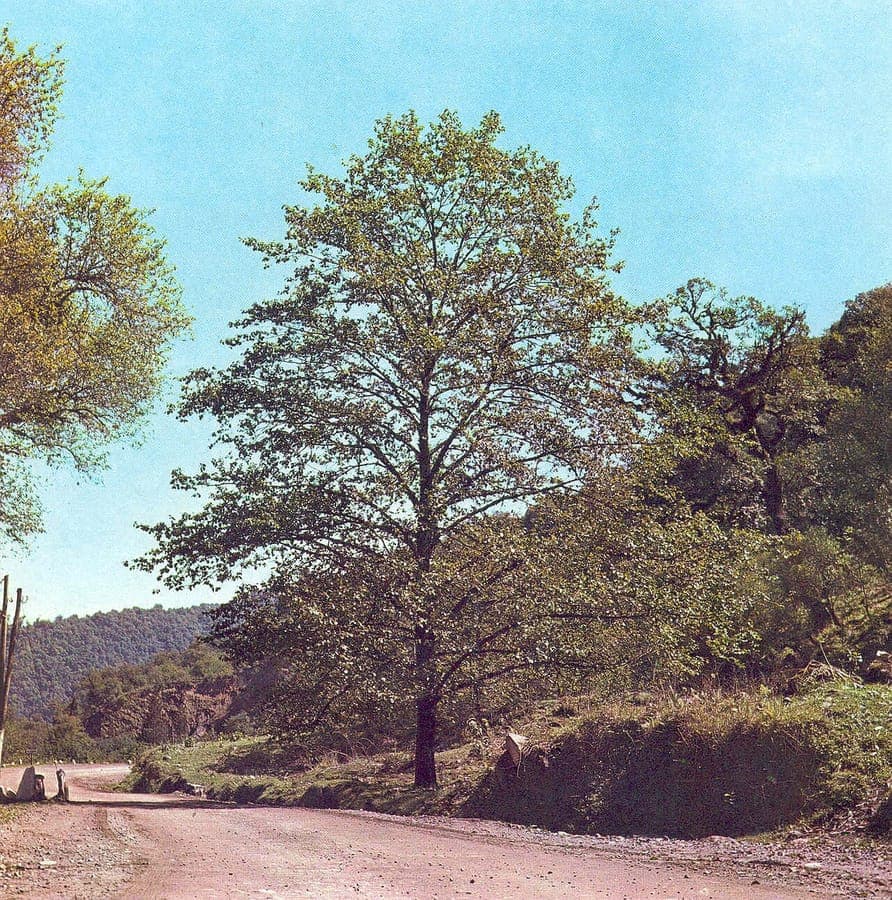
Andean alder reaches 20 to 30 metres in its native habitat, with a straight trunk and grey-brown bark. Leaves are long and sharply pointed (hence 'acuminata'), 7 to 12 centimetres long, and dark green with soft texture. In spring, the tree bears male catkins that are yellow-green and develops female seed cones. The tree grows rapidly - 60 to 100 centimetres annually in good conditions.
Ideal Location
Plant this tree where it receives sufficient sunlight, at least four to six hours daily, though it also grows in light shade. It performs best in open, airy positions where air circulates freely. Protect young trees from strong wind until well-established.
Soil
Andean alder thrives in moist, well-draining soil with organic matter. It tolerates heavy clay and sandy soils better than many trees. pH can range from acidic (5.0) to neutral (7.0). Because this tree fixes nitrogen, it adds nitrogen to soil, benefiting underplantings. Sow seeds outdoors or in containers with seed compost.
Free design
Want to see Andean Alder (Alnus acuminata): complete guide in your garden? Make a free design now.
Watering
During the first year, water regularly for good root establishment. Once established, the tree tolerates longer dry periods, though it naturally inhabits moist environments. In extreme drought, provide supplemental water. After heavy pruning, water extra.
Pruning
Alder trees tolerate heavy pruning well. Remove dead, diseased or damaged branches. Shape the tree if it becomes large and ungainly. Prune during dormancy (December to February) for least damage and better healing.
Maintenance Calendar
March-April: Monitor growth, remove dead wood. May-June: Blooming and seed formation, full growth. July-September: Maintenance pruning if needed. October-November: Autumn leaf fall, cleanup. December-February: Winter dormancy, heavy pruning if necessary.
Winter Hardiness
Andean alder is hardy to about -15 degC, meaning it grows well in Netherlands, Belgium and southern Germany. In severe winters (below -15 degC), young growth may freeze, but the tree usually recovers quickly. Mature trees are hardier.
Companion Plants
Use Andean alder in mixed woodlands and hedgerows. Combine with native deciduous trees like ash and beech. Rapid growth makes it ideal as a pioneer species in forest restoration projects. Underplanting grows well in this tree's shade thanks to its nitrogen-fixing ability.
Closing
Alnus acuminata is a fast-growing tree with practical value - it enriches soil and grows fast where you need structure and shelter. For those wanting a mature tree without waiting decades, this is compelling. Visit gardenworld.app for more advice on trees and forest restoration.
Want to see Andean Alder (Alnus acuminata): complete guide in your garden? Make a free design now.
Upload a photo, pick a style, and get a photorealistic design with plant list in under a minute.
No credit card required


Similar plants
Heart-leaf birch: complete guide
Betula cordifolia
Heart-leaf birch is an attractive North American birch tree for large gardens. Discover growth, white papery bark and winter hardiness.
Tropical hornbeam: complete guide
Carpinus tropicalis
Everything about Carpinus tropicalis, the tropical hornbeam from Central America. Growing tips, location, care, and garden use explained.
Japanese Alder (Alnus firma): complete guide
Alnus firma
Learn everything about Japanese Alder in our complete guide. Discover care, growth, and applications for larger gardens.